Why tennis bracelets are evolving as a high-end wardrobe essential in 2026
As you curate a modern luxury wardrobe, the tennis bracelet has shifted from a classic staple to a platform for innovation. In 2026, designers and maisons are reimagining this iconic piece so it does more than sparkle: it signals personal taste, sustainability values, and a willingness to mix tradition with contemporary design. Understanding these shifts will help you choose pieces that hold value stylistically and financially.
You’ll notice that today’s conversations around tennis bracelets focus on provenance, wearability, and distinctiveness. Whether you favor a delicate, everyday line or a bold, statement cuff, recognizing the characteristics that separate fleeting fads from lasting trends will make your next purchase more intentional.
What distinguishes modern luxury tennis bracelets—and how to read those cues
Design language: minimal versus directional
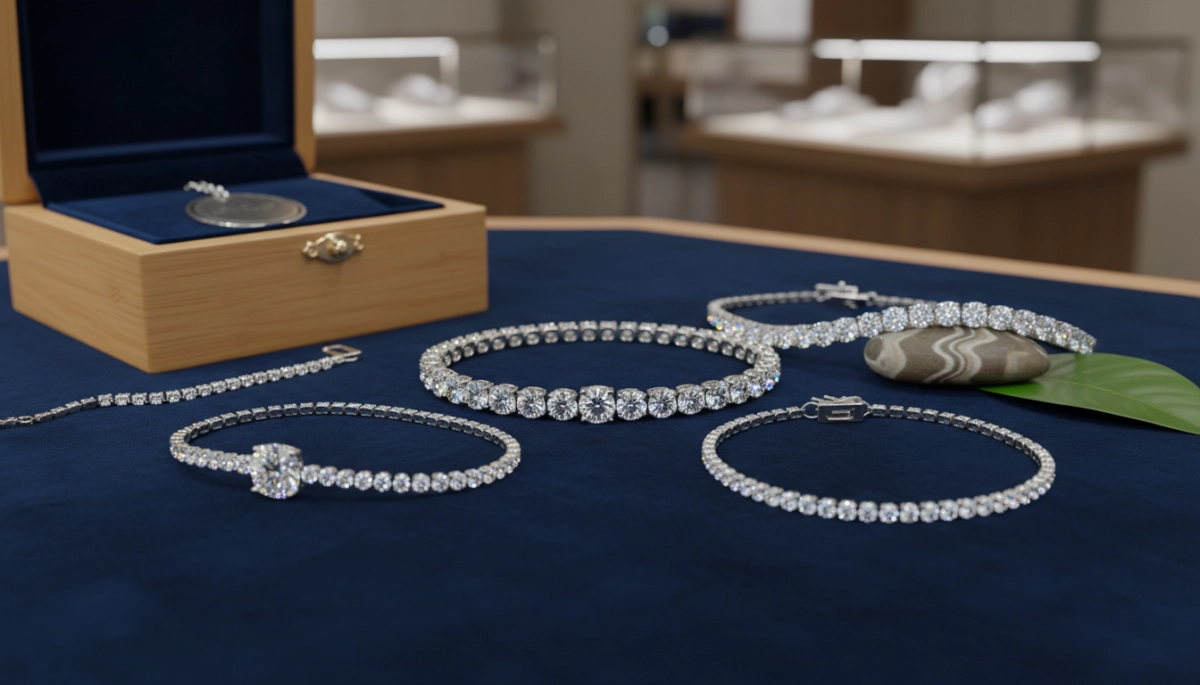
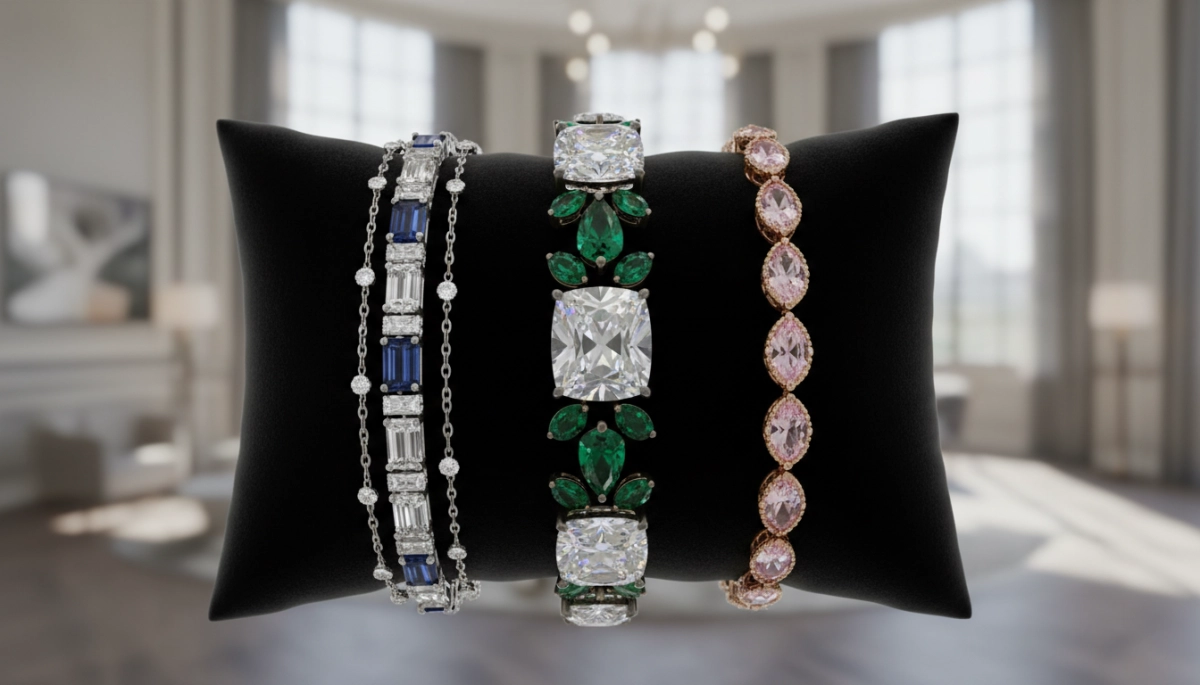
You’ll find two parallel design languages dominating 2026. One favors minimalist clarity: single-row pavé, streamlined settings, and invisible clasps that let stones take center stage. The other leans into directional details—asymmetric links, mixed gemstone accents, and architectural metalwork that transforms the bracelet into wearable sculpture.
How scale and proportion affect versatility
Scale matters when you plan to wear a tennis bracelet across occasions. Thin, delicate lines read as subtle elegance for daytime or stacking; larger, more substantial stones create evening drama and make the piece a standalone statement. When assessing proportion, consider your wrist size, the bracelets you already wear, and whether you want a piece for stacking or solo wear.
Key visual cues to evaluate quality
- Setting precision: tight, even prongs or micro-settings indicate higher craftsmanship.
- Stone uniformity: consistent size and color across the line reflect careful selection.
- Clasp engineering: secure, smoothly integrated clasps combine safety with aesthetics.
- Finish and metalwork: crisp edges, consistent polish, and invisible joins suggest premium manufacture.
Materials and craftsmanship shaping 2026 tennis bracelet trends
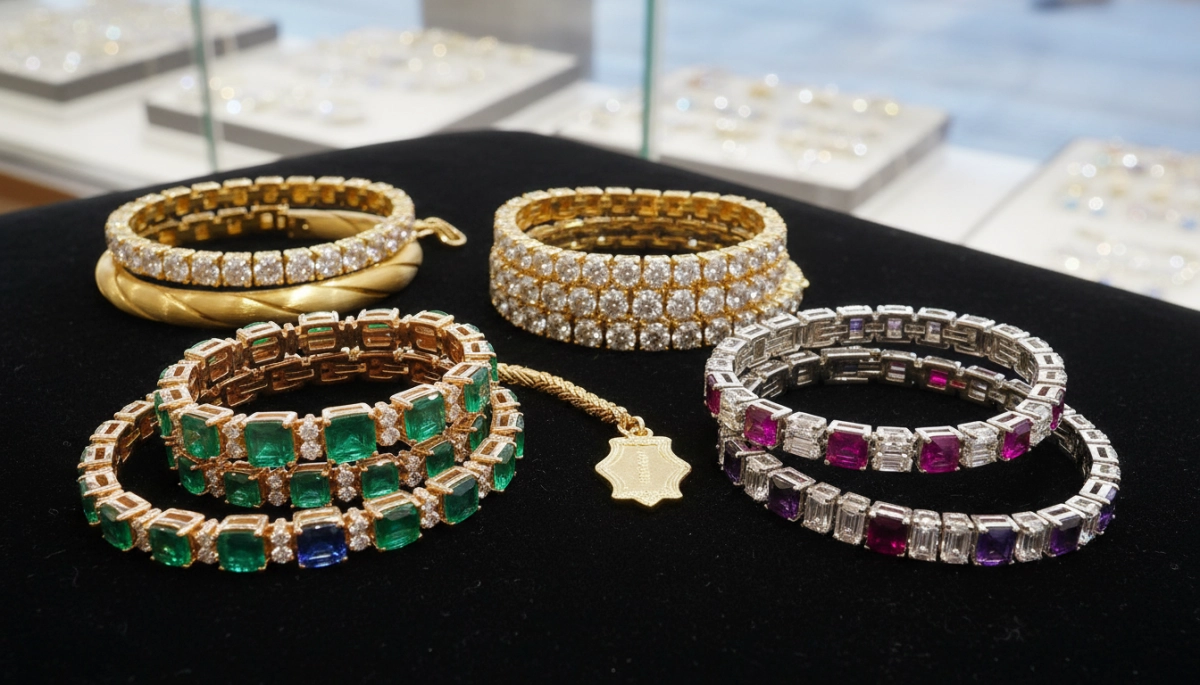
Material choices are central to the luxury conversation. You’ll see enduring preferences—platinum and 18k gold remain dominant—but with nuanced shifts: warmer metals like rose gold are being used with subtle, contemporary silhouettes, while mixed-metal constructions allow bracelets to play nicely with existing stacks. Beyond metal, gemstone selection is a major differentiator.
- Diamonds maintain their cachet, but lab-grown stones are increasingly present in luxury lines—appealing to buyers who prioritize ethics without sacrificing brilliance.
- Colored gemstones and alternating patterns (sapphires, emeralds, rubies) are used to personalize and modernize the classic tennis layout.
- Hybrid designs pair metalwork with ceramic or mother-of-pearl insets for textural contrast and a modern edge.
With an eye for these materials and cues, you’ll be better equipped to identify the 2026 pieces that match your priorities—whether that’s timeless resale value, forward-looking design, or ethical sourcing. In the next part, you’ll explore standout designer collections, pricing tiers, and practical styling tips to wear these trends confidently.
Designer collections and houses setting the tone in 2026
The market this year balances heritage names that refine the tennis bracelet’s classics with risk-taking independents who reframe it as jewelry-forward art. Expect major maisons to continue offering elevated iterations—think impeccably matched stone lines, refined invisible settings, and high-jewellery capsules that play with scale and negative space. Simultaneously, niche houses and ateliers are pushing the conversation: asymmetric links, color-blocked gemstone beds, and modular systems that let you swap stones or convert a bracelet into a choker.
What matters when you look at collections is less the label and more the intent. Established brands tend to prioritize long-term value, rigorous grading, and flawless finishes; they’re the safe route if you want resale stability and meticulous craftsmanship. Emerging designers offer conceptual risk—unexpected metalwork, mixed materials, and limited runs—that can deliver distinctive style and cultural cachet. In 2026, collaborations are also notable: jewelry designers teaming with watchmakers, fashion houses, or contemporary artists to create cross-category pieces that feel fresh and collectible.
When scouting, look for clear provenance, transparent gem reports, and thoughtful aftercare programs. Those cues often indicate whether a collection is designed for longevity or quick seasonal visibility.
Pricing tiers, resale considerations, and what to expect for your budget
Understanding realistic price bands helps you match ambition to budget. Rough 2026 ranges (USD) to expect:
– Entry-luxury ($1,000–$3,000): 14k gold or mixed-metal pieces, often featuring lab-grown diamonds or lower total carat weights. Stylish and accessible, these are ideal for everyday wear or trend-driven stacks.
– Core-luxury ($3,000–$8,000): 18k gold lines with stronger color/clarity stones and better setting work. These balance aesthetics with lasting value.
– Investment-luxury ($8,000–$25,000): Platinum or heavyweight 18k pieces, higher total carat weights, and superior diamond grading (VS–VVS clarity, G–D color). Marketable on resale and common in estate markets.
– Haute and bespoke ($25,000+): One-off high-jewellery creations, rare gemstones, or fully bespoke commissions. These are collectible and require specialist insurance.
Resale dynamics are shifting: natural diamonds still command higher resale prices historically, but rising demand for certified lab-grown stones in luxury channels is narrowing that spread. Always ask for independent certification (GIA, AGS, or equivalent) and retain purchase documentation. Factor in service warranties, tightening/cleaning policies, and available trade-in programs—these affect long-term ownership costs and value retention.
Practical styling rules and care to get the most from your bracelet
Styling a tennis bracelet in 2026 is about purposeful contrast and composability. For daytime, lean on slim, single-row designs stacked with a delicate watch or a thin bangle. Use mixed metals deliberately: a rose-gold tennis bracelet can warm stainless steel or white-gold pieces in a stack. For evening, choose a single, higher-scale bracelet as the focal point—let it breathe rather than crowd it with other pieces.
Pairing tips:
– Watches: match proportion — thin bracelets with slim dress watches, chunkier lines with sports or statement timepieces.
– Necklaces/earrings: balance scale—if your bracelet is elaborate, simplify other jewelry.
– Layering: alternate textures (metallic link, pavé line, leather cord) to avoid monotony.
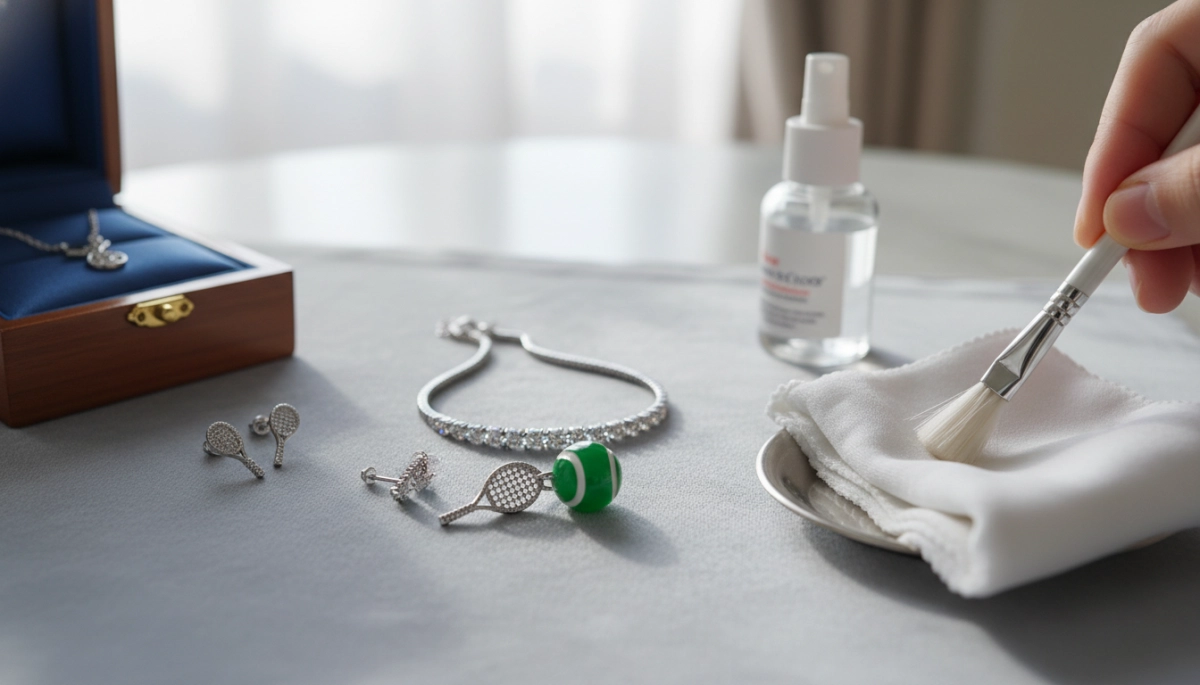
Care basics: remove before exercise or heavy labor, clean at home with a soft brush and mild soap, and have settings inspected annually by a jeweler. For high-value pieces, get a professional clean and appraisal every few years and consider insurance with specified-valuable-item coverage. These small routines protect aesthetics and long-term value so your tennis bracelet remains an enduring part of your luxury story.
First steps before you buy
When you begin shopping, try pieces on in natural light, test how they move with your wrist, and ask the retailer for full documentation and aftercare terms. For gem verification and grading standards, request independent reports from recognized labs such as GIA. Confirm warranties, resizing or repair policies, and whether the house offers a buyback or trade-in program—these practical details shape long-term satisfaction more than impulse choices.
Parting thoughts for your 2026 jewelry edit
Think of a tennis bracelet as a small but powerful way to express where your style and values meet: select pieces that feel intentional, maintain them well, and let them evolve with your wardrobe. Whether you favor a quietly refined line or a sculptural, trend-forward cuff, choose with both heart and due diligence so each bracelet earns its place in your collection.
Key Takeaways
- Prioritize fit and proportion to ensure versatility across day and evening wear.
- Insist on transparent provenance and independent certification for long-term value.
- Mix a timeless core piece with one experimental bracelet, and protect both with proper care and insurance.