Why tennis bracelet sets are a smart purchase right now
You’ve probably seen tennis bracelets advertised as effortless elegance—an even row of stones set in a flexible band that can dress up any outfit. Right now, market conditions, promotions, and innovations in gem sourcing give you more opportunities to save without sacrificing quality. Whether you’re shopping for a classic diamond line or a mixed-gem set with sapphires, understanding the basics will help you spot genuine savings instead of marketing noise.
What defines a tennis bracelet and why materials matter
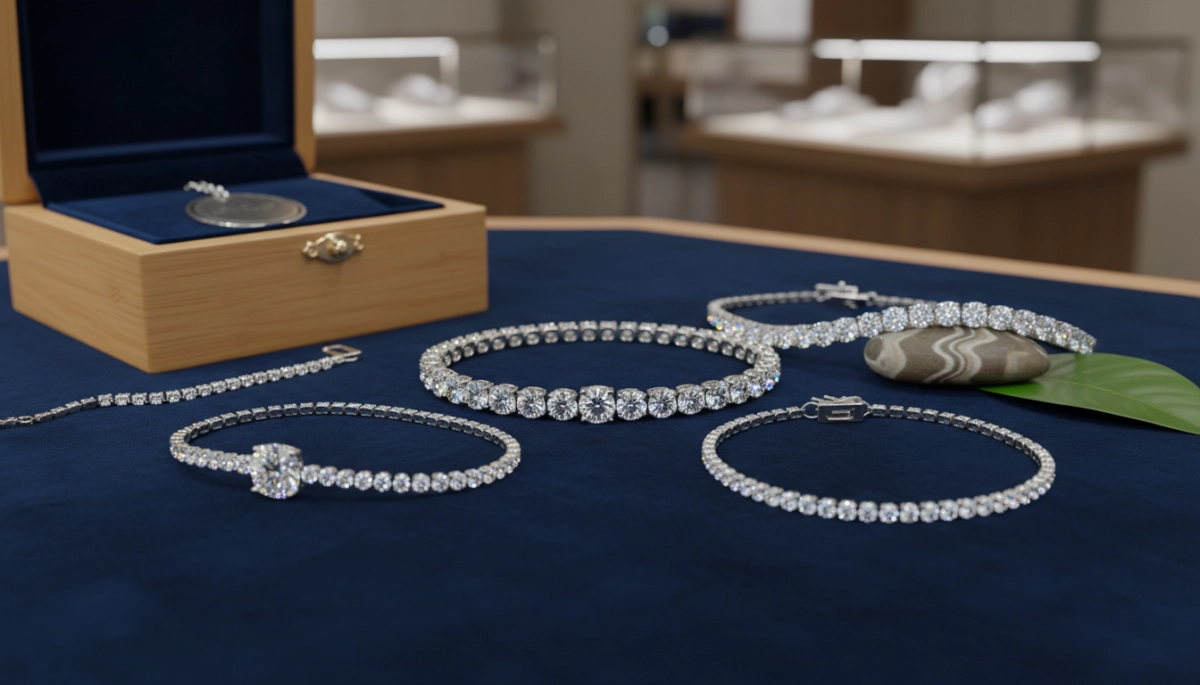
A tennis bracelet is defined by its continuous string of individually set stones that create a uniform, articulated line. The two elements that most affect price and durability are the metal and the stones themselves. When you evaluate deals, focus on these material factors:
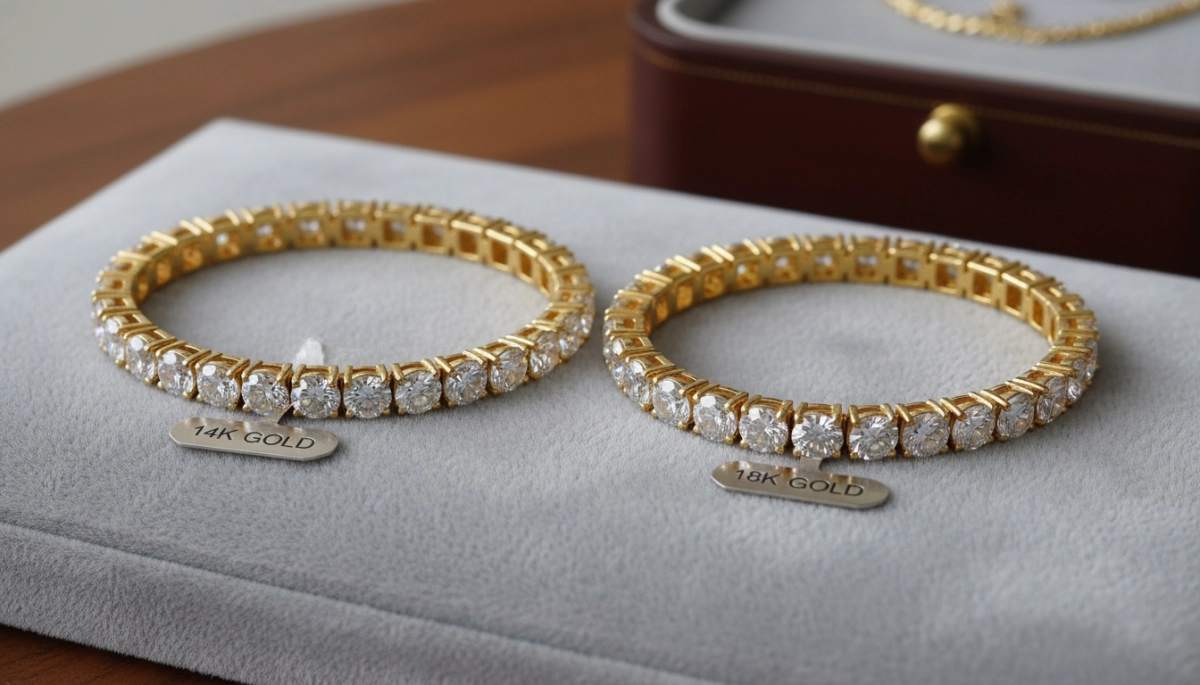
- Metal type: Solid gold (10K, 14K, 18K) is the most common. Higher karat numbers increase gold content and price but also affect durability. Gold-plated or vermeil options look similar but are much less expensive and wear differently over time.
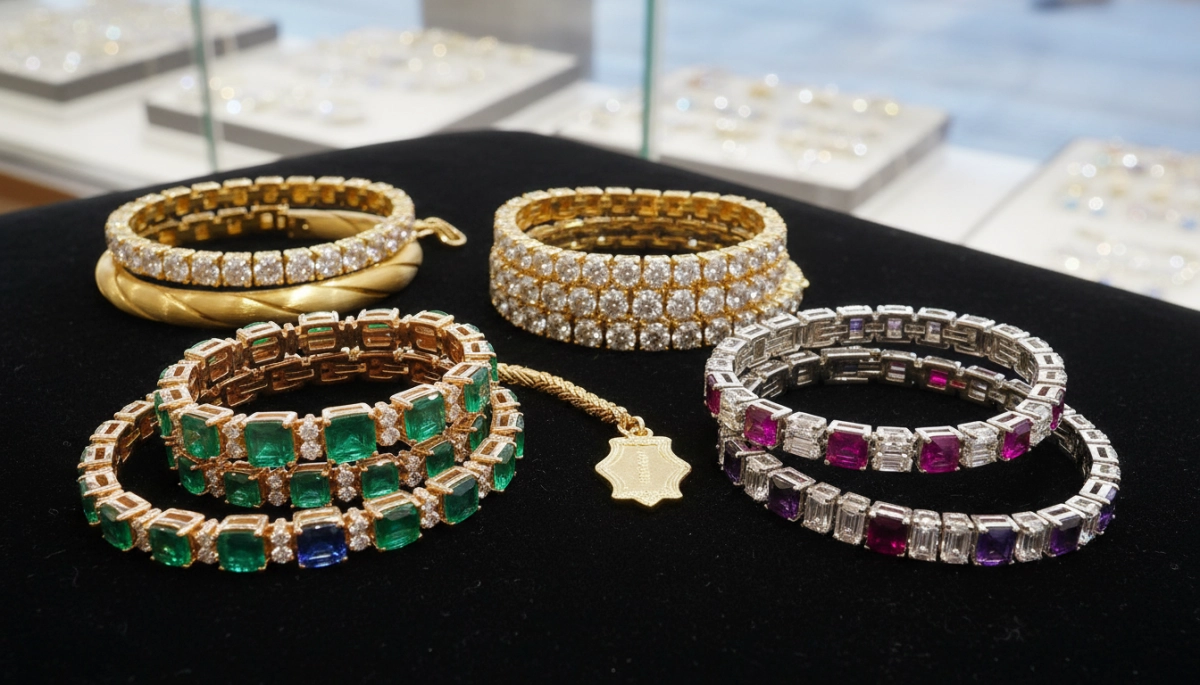
- Stone type: Diamonds will command premium prices; lab-grown diamonds are more affordable and visually similar. Colored gems—sapphires, emeralds, rubies—vary widely in price by quality, cut, and treatment.
- Setting style: Prong, bezel, or channel settings change the bracelet’s profile and how secure the stones are. Prong settings show more stone and sparkle; channel settings offer a sleeker, more protective profile.
How to evaluate a deal: quality checklist you can use
When a price looks attractive, you should quickly run through a checklist so you can compare offers objectively. Use this checklist to avoid impulse buys and to negotiate better terms:
- Ask for metal stamps (e.g., 14K, 18K) and verify whether the clasp is marked and tested.
- Request stone grading information for diamonds (cut, color, clarity, carat) or a gemological report for colored stones.
- Compare lab-grown vs. natural gemstone pricing: lab-grown diamonds and gems can lower cost significantly while keeping visual appeal.
- Check return policy, warranty, and whether resizing or repair are included or discounted.
- Look for seller reputation: reviews, third-party guarantees, and clear photos/video of the specific piece.
By focusing on these material and verification points, you’ll be able to separate genuine bargains from limited-time hype and choose a bracelet set that fits your budget and style. In the next section, you’ll learn how to compare retail, online, and estate-sale sources and the negotiation strategies that work best for each.
Where to shop: retail, online, and estate sources — pros, cons, and price expectations
Different channels serve different priorities. Knowing what each offers lets you target the best place for the type of deal you want.
- Brand retail stores: Pros: predictable quality control, warranties, in-person service, and obvious warranty/repair pathways. Cons: higher overhead means less room for steep discounts. Expect modest seasonal markdowns and the possibility of in-store promotions (e.g., holiday or end-of-season sales).
- Online jewelers: Pros: lower prices from reduced overhead, huge selection (including lab-grown alternatives), frequent coupon codes, and price-match policies. Many offer free shipping and straightforward return windows. Cons: you can’t try on before buying, so you must rely on photos, video, and certifications. Look for sites with third-party lab reports and generous returns.
- Estate sales, auctions, and consignment: Pros: unique pieces and potentially significant savings — especially for vintage gold or older-cut diamonds that don’t retail in current collections. Cons: documentation may be missing, repair or cleaning might be necessary, and auction fees can erode savings. Have a repair budget and insist on a short window for inspection or a clear return policy when possible.
- Pawn shops and local independent jewelers: Pros: bargains and room for negotiation; local shops often accept trade-ins or offer layaway. Cons: variable quality verification; always ask for testing or an independent appraisal if the price seems unusually low.
Price expectations: cheap-looking bracelets under $200 are usually gold-plated or silver with small lab-created stones. Solid 14K gold with small diamonds typically starts in the low hundreds to mid-thousands depending on total carat weight. Lab-grown diamond lines commonly undercut natural diamond pricing by 30–50% for similarly graded stones.
Negotiation and timing tactics to maximize savings
Timing and strategy often save more than haggling a few percent. Use a combination of calendar awareness and specific asks to push a deal into true value territory.
- Time your purchase: Major sales (Black Friday, end-of-year, Valentine’s/anniversary promotions) and slow retail months (January, August) are good times to buy. Online retailers run flash sales and site-wide coupon events—subscribe to newsletters for first-access codes.
- Ask for extras: Instead of only lowering the price, request free polishing, an extended warranty, a complimentary sizing (if applicable), or inclusion of the original box and certificate. These have real value and are easier for sellers to grant than steep discounts.
- Use price leverage: Bring competing quotes (screenshots work). Many retailers will match or beat documented competitors’ prices. For higher-ticket items, ask to speak to a manager or request a written offer you can take to another seller.
- Pay smart: Cash or immediate payment can sometimes yield a discount, but weigh this against credit card protections and rewards. Consider using cards with purchase protection or jewelry-specific financing only if the interest terms are favorable.
Inspecting and verifying purchases — what to confirm before you buy
Whether online or in person, verification saves buyer’s remorse.
- For diamonds and valuable gems, insist on a lab report (GIA, AGS, IGI for diamonds; GIA or AGL reports for colored stones) and confirm the report number matches the item.
- Check metal markings (14K, 18K, PT for platinum) and ask if the piece was tested. If buying vintage, budget for a professional appraisal to confirm metal content and any necessary repairs.
- Inspect the clasp and safety latch for wear; test articulation so stones don’t pinch or move oddly. For online buys, request a video of the clasp in action and high-resolution, well-lit photos from multiple angles.
- Confirm return window, shipping insurance, and who bears the cost of return shipping for damage or misrepresentation.
Armed with these sourcing, negotiation, and verification tactics, you’ll be well placed to spot genuine tennis bracelet set deals and avoid common pitfalls that can turn a bargain into a costly regret.
Parting advice for confident buys
Buying a tennis bracelet set should feel rewarding, not rushed. Before committing, pause to confirm the seller’s credibility, secure the necessary paperwork, and make sure the piece aligns with how you’ll wear it most. Small practical steps—asking clear questions, requesting close-up media if shopping online, and keeping an eye out for meaningful guarantees—turn a purchase into an investment you’ll enjoy for years.
For objective information on gemstone grading and what to expect from certification, see GIA’s buying guide. When in doubt, give yourself time to compare a few well-vetted options rather than chasing a single “perfect” deal.
Key Takeaways
- Prioritize verified materials and documentation over price alone to avoid costly surprises.
- Lab-grown gems and off-season sales can deliver major savings without sacrificing appearance.
- Leverage timing, extras (warranty/cleaning), and competing quotes to improve the final offer.