Protecting the sparkle: why your tennis jewelry needs tailored care
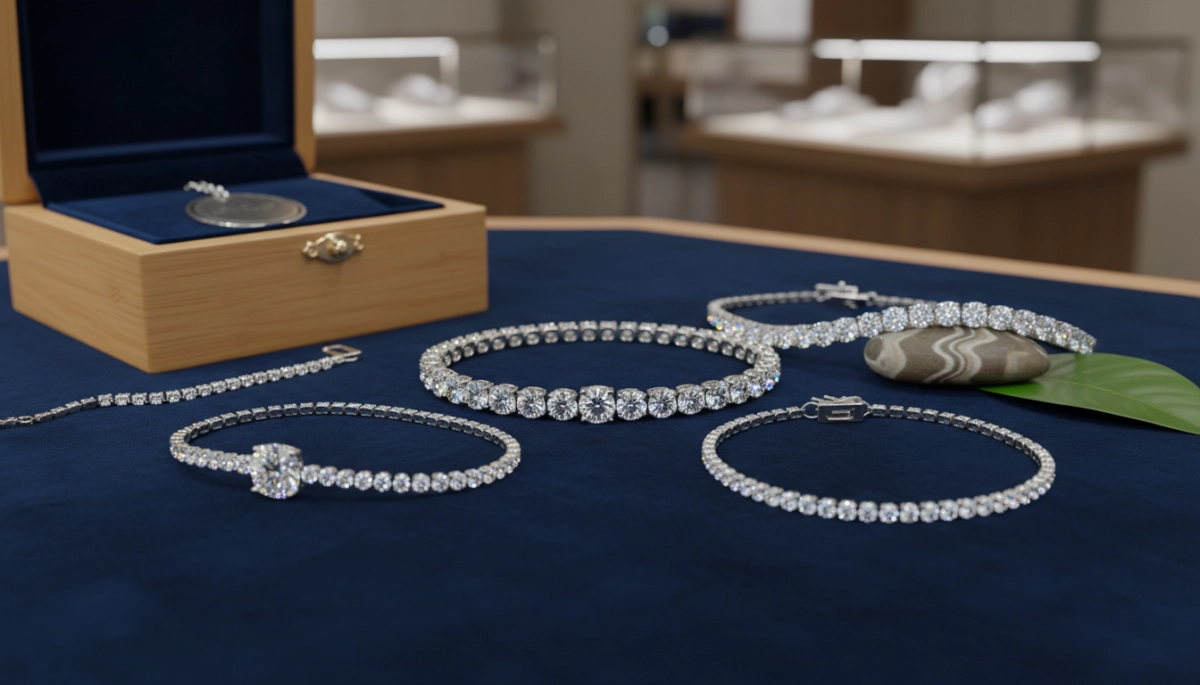
Tennis jewelry sets—often comprised of a line of closely set gemstones on bracelets, necklaces, or earrings—are designed for continuous sparkle and flexibility. Because of their delicate links and exposed stones, these pieces require more attentive care than simpler jewelry. You’ll want to protect the metal from scratches and the stones from loosening or clouding, and you’ll need storage methods that prevent tangling or abrasion.
Understanding the specific risks that threaten tennis sets helps you choose the right cleaning frequency and storage approach. Everyday activities, cosmetics, and even sweat can degrade metal finishes and dull gemstones over time. If you wear your set frequently, small issues (a loose prong, a faint haze) can quickly become costly repairs unless you adopt consistent care habits.
Know your materials and the everyday habits that help prevent damage
Common metals and gemstones found in tennis sets
Before you clean or store a set, identify the materials so you can match care to substance. Typical combinations include:
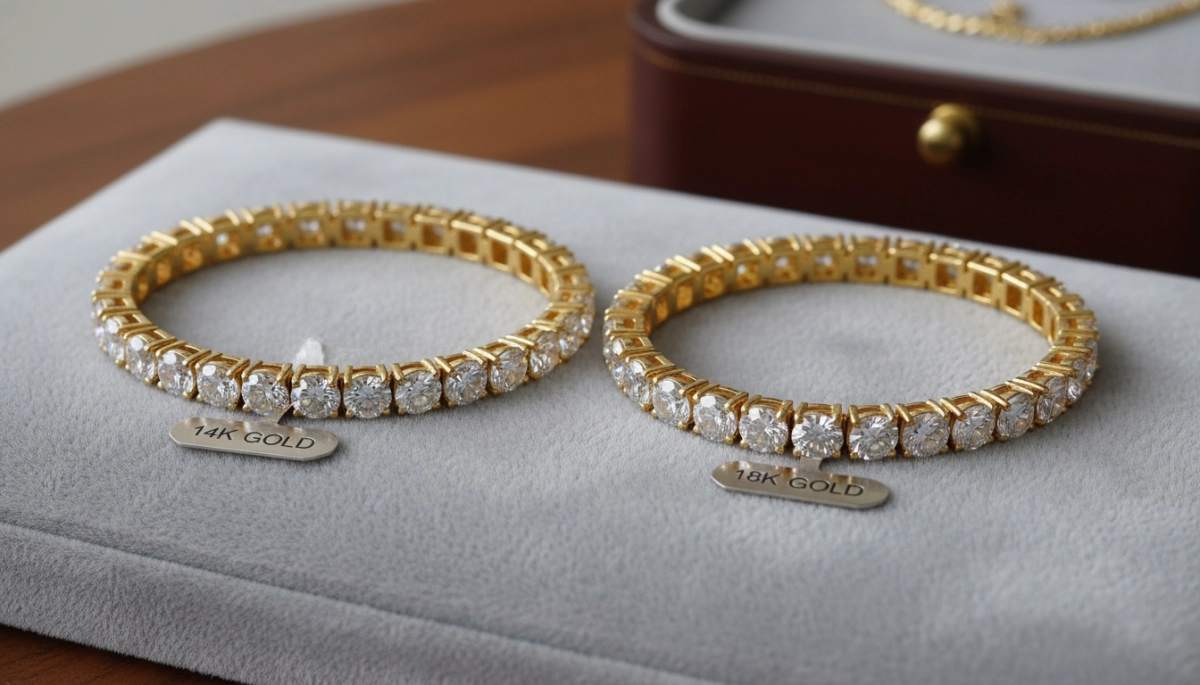
- Gold (14K or 18K): Durable and popular for settings; still susceptible to scratches and chemical discoloration.
- Platinum: Dense and resistant to corrosion but can develop a patina and shows wear differently than gold.
- Silver: More reactive—tarnishes easily and often needs gentler, more frequent attention.
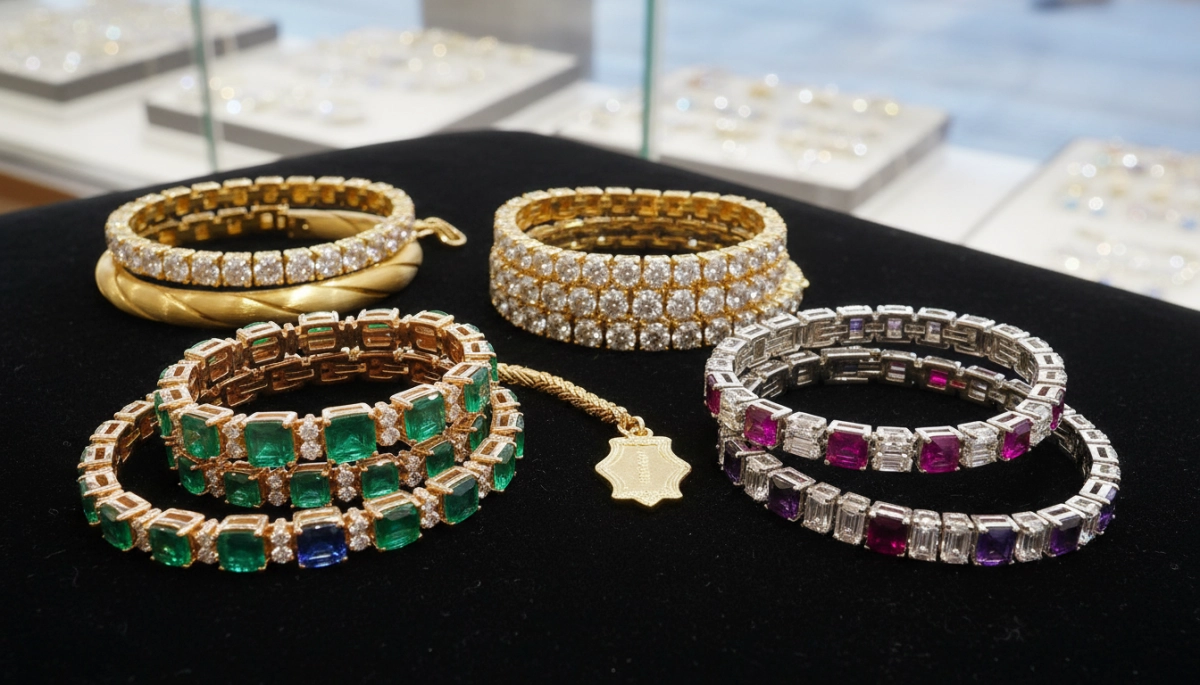
- Diamonds and other gemstones (sapphires, emeralds, rubies): Diamonds are hard but can collect oil and debris; porous or softer gems like opal or emerald require extra caution and milder cleaning methods.
Daily habits to protect your investment
Your routine has a big impact on how often you’ll need deep cleaning or repairs. Adopt simple habits to reduce risk:
- Remove your tennis jewelry during housework, gardening, swimming, and exercise to avoid knocks, abrasives, and chlorine exposure.
- Put jewelry on after applying lotions, perfume, or hairspray to prevent residue buildup on metal and stones.
- Inspect your set regularly for loose stones or worn prongs—catching a small problem early prevents loss.
- Wipe pieces gently with a soft, lint-free cloth after wearing to remove oils and sweat.
Basic tools and supplies you should have on hand
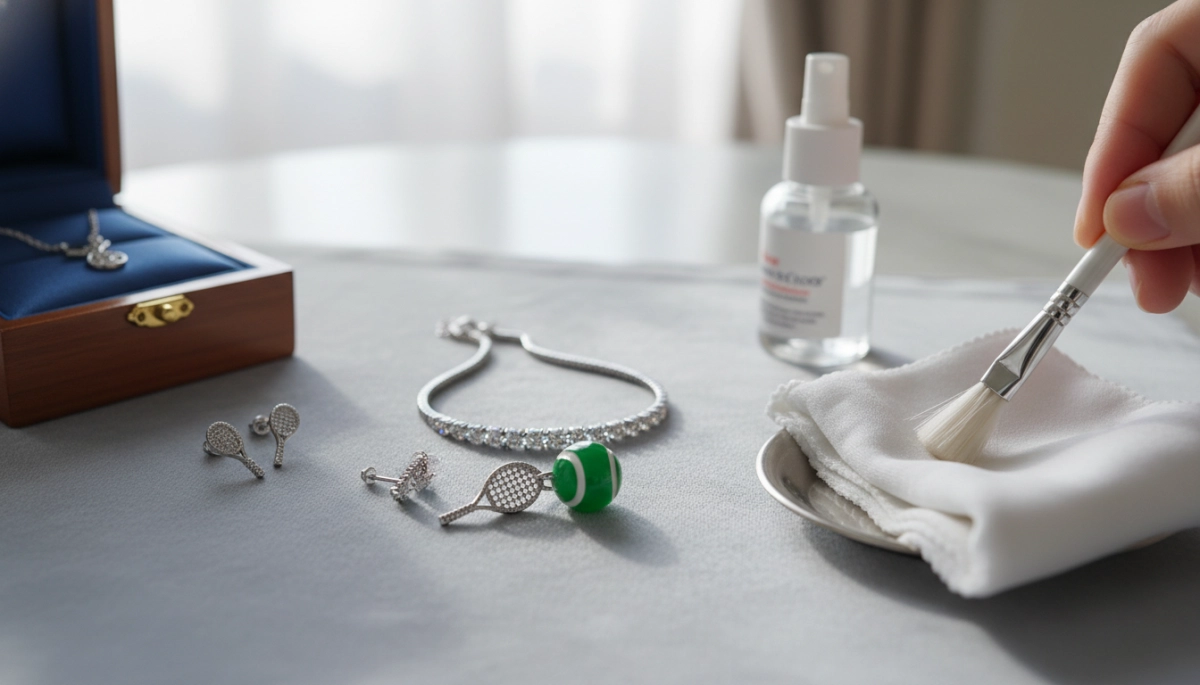
Keeping a small care kit at home makes safe cleaning straightforward. Assemble a few essentials tailored to your materials:
- Soft microfiber or jewelry polishing cloths for daily wiping.
- Mild dish soap (non-abrasive, phosphate-free) diluted in warm water for most metal and diamond cleaning.
- Soft-bristled brush (a baby toothbrush works well) for removing trapped dirt in settings—use gently around delicate gemstones.
- Small bowl, lint-free towels, and a shallow container for soaking and drying pieces.
- Separate small boxes or a compartmentalized pouch for overnight storage to prevent tangles and scratches.
With these habits and supplies, you’ll reduce wear and keep your tennis set looking its best—next, you’ll learn step-by-step cleaning methods for different metals and gemstones so you can safely restore and maintain each piece’s brilliance.
Gentle step-by-step cleaning for diamonds, sapphires, and other hard gems
For diamonds and other hard, non-porous gemstones (sapphires, rubies), a safe, effective cleaning routine restores brilliance without risking damage to settings.
- Prepare: Fill a small bowl with warm water and a few drops of mild, phosphate-free dish soap. Avoid hot water that can loosen adhesives in some settings.
- Soak: Submerge the piece for 10–20 minutes to loosen oils and grime lodged between settings and under stones.
- Brush gently: Use a soft-bristled brush to dislodge dirt, focusing on the underside of stones and the joins between links. Work with light strokes—don’t lever against prongs.
- Rinse carefully: Rinse under a gentle stream of warm water or in a separate bowl of clean water. Plug the sink or use a mesh strainer to avoid accidents.
- Dry and inspect: Pat dry with a lint-free cloth, then let air-dry fully on a soft towel. Check prongs, clasps, and stone security; if anything feels loose, stop wearing the piece and consult a jeweler.
Notes: Ultrasonic cleaners and steamers can be effective for many hard gems but use them only when you’re certain the stones aren’t fracture-filled, treated, or set with fragile prongs. When in doubt, skip the machine and stick to the manual method above.
Special handling for softer, porous, or treated gemstones
Softer and porous stones—emeralds, opals, pearls, turquoise, and many treated gems—require a much gentler approach because water, heat, or harsh cleaners can alter their color, finish, or internal treatments.
- Minimal moisture: Rather than soaking, wipe with a barely damp, soft cloth. For lightly soiled pieces, a damp cloth with a drop of mild soap is acceptable—then immediately pat dry.
- Avoid ultrasonic and steam: These tools can crack or leach oils and fillers from treated stones and should not be used on porous gems.
- Pearls: Clean after each wear with a soft cloth to remove body oils. If deeper cleaning is needed, use a damp cloth with a tiny amount of mild soap, never soak. Have pearls restrung periodically to prevent breakage.
- Emeralds and filled stones: Many emeralds are oiled for clarity. Avoid solvents and strong detergents; a gentle wipe and professional cleaning are safest.
- If unsure, consult a pro: When a gem’s treatment history is unknown, ask a trusted jeweler before attempting anything beyond a soft wipe.
Smart storage and travel solutions to prevent tangles, tarnish, and wear
Proper storage protects delicate links and stones from abrasion and environmental damage, and the right travel setup keeps your set safe on the go.
- Individual compartments: Store each piece flat in its own soft pouch or compartment so stones and metals don’t rub against each other.
- Anti-tarnish measures: For silver pieces, use anti-tarnish strips or cloth-lined boxes; store in a low-humidity area with silica gel packets for added protection.
- Keep clasps closed: Fasten necklace and bracelet clasps before storing to prevent tangling and reduce stress on springs and links.
- Traveling: Use a padded, compartmentalized jewelry roll or a hard-sided case with foam insets. Secure each item in its own slot and pack the case in your carry-on, not checked luggage.
- Long-term storage: Clean and fully dry pieces before storing, avoid extreme temperature shifts, and inspect annually for any maintenance needs.
Following these cleaning and storage practices will keep your tennis set resilient and radiant—helping you avoid common pitfalls that lead to unnecessary repairs or gemstone loss.
Maintaining brilliance for years
Care for a tennis jewelry set is as much about habit as it is about technique. A few attentive decisions—timely professional checks, addressing issues as soon as they appear, and choosing trusted resources for guidance—will keep your pieces wearable and worry-free. For reputable, detailed guidance on gem and jewelry care, consult a professional resource such as GIA care tips.
Above all, enjoy your jewelry. Treat routine maintenance as part of ownership, and you’ll preserve both the beauty and the value of your tennis set for the moments that matter.
Key Takeaways
- Develop simple daily habits and use the right supplies to prevent buildup and damage.
- Choose cleaning and storage methods matched to the metal and gemstone type; avoid ultrasonic/steam on porous or treated stones.
- Inspect regularly and seek professional maintenance for loose stones, worn prongs, or any uncertainty.