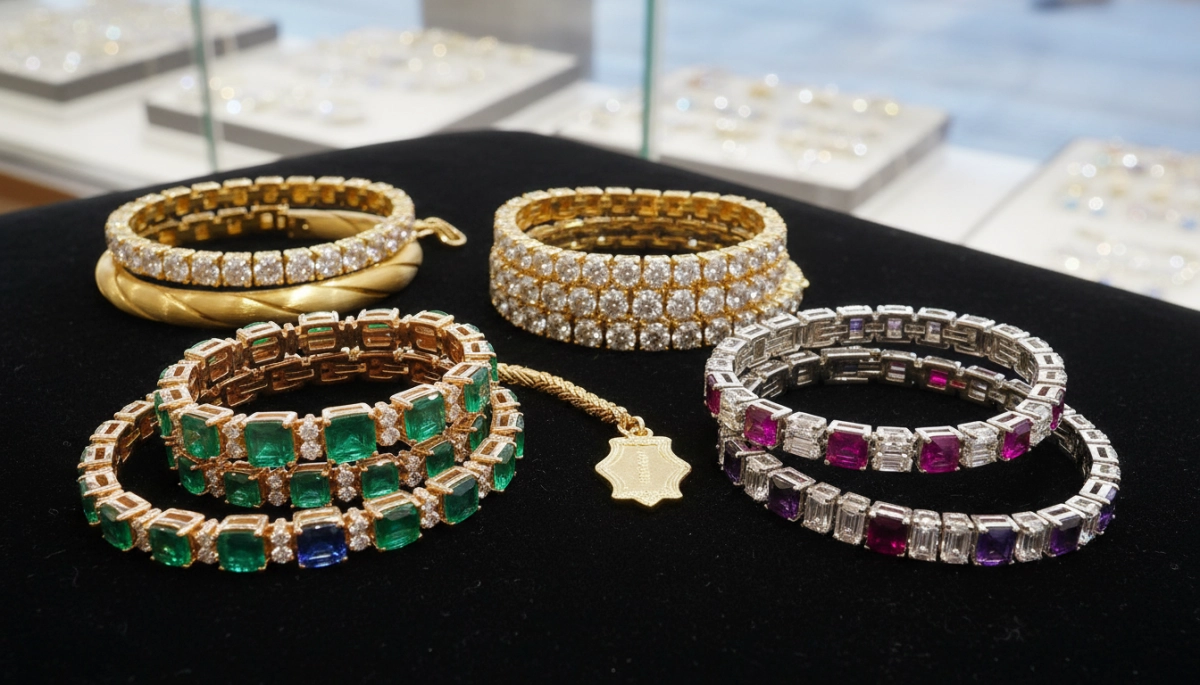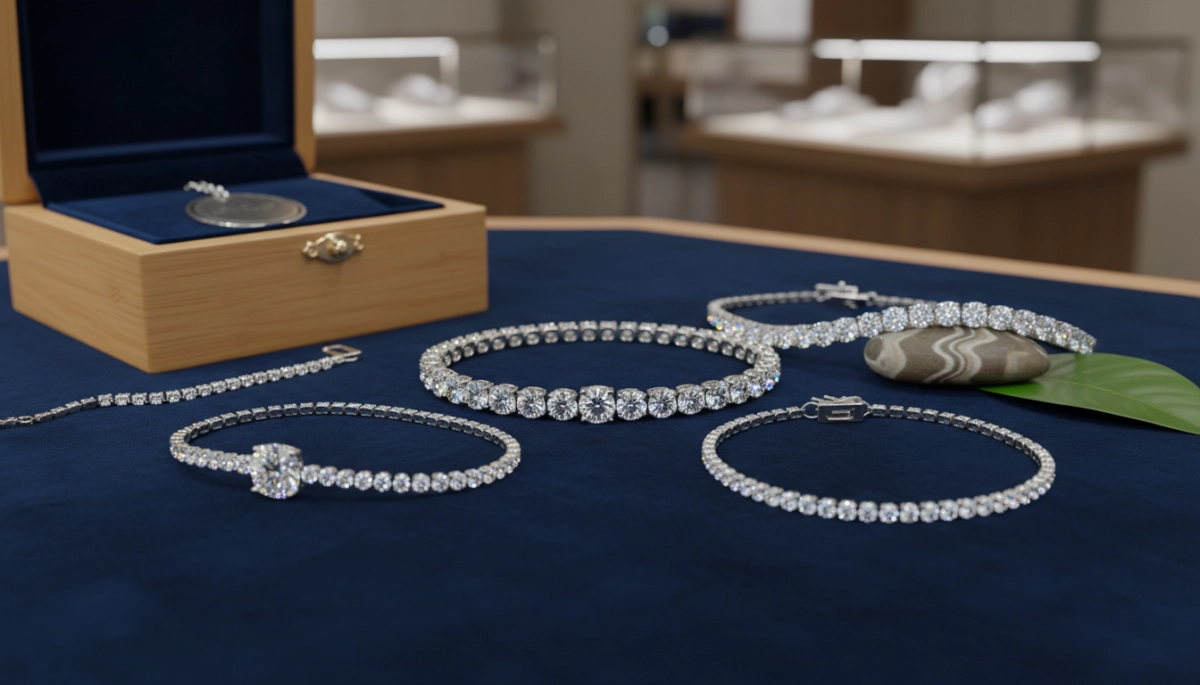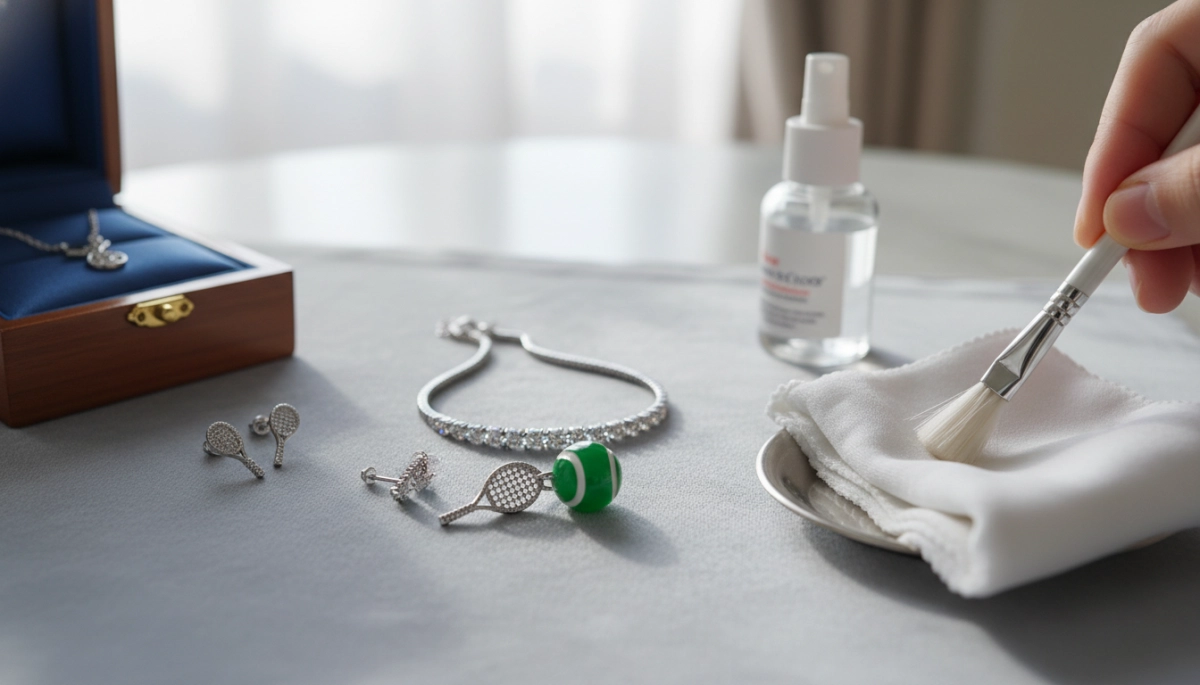
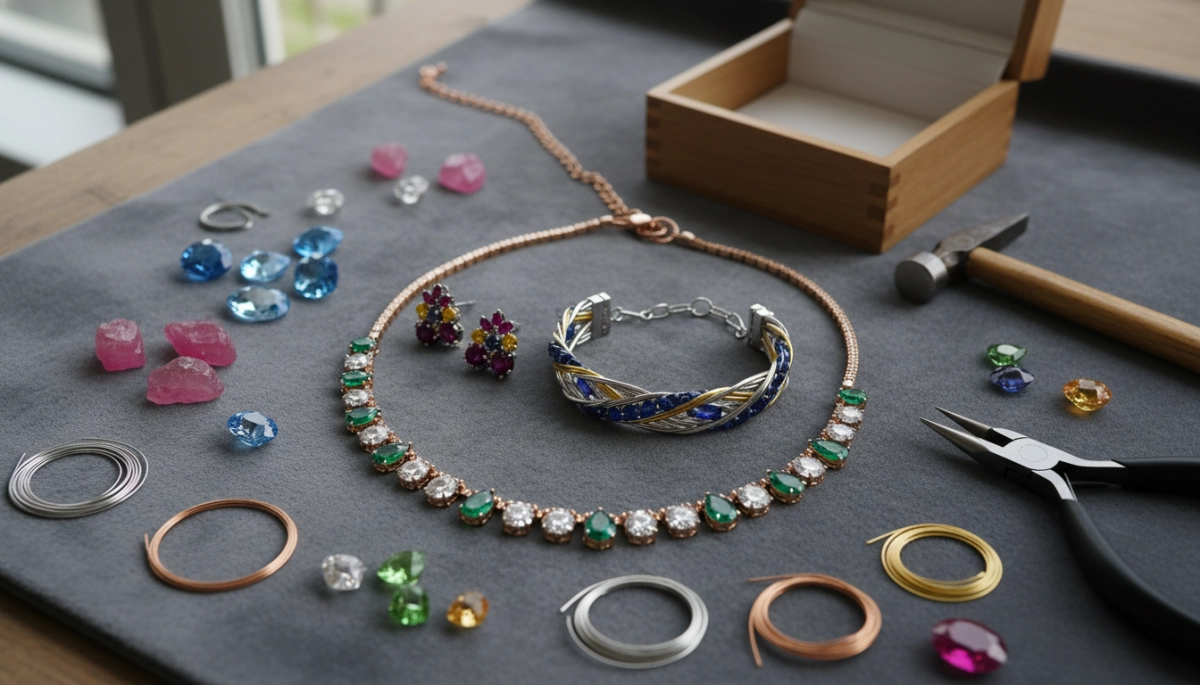
Designing a Modern Tennis Set That Mixes Metals and Gems
You want a tennis jewelry set that feels personal, versatile, and modern. Mixing metals—like yellow gold, white gold, and rose gold—with carefully chosen gemstones can create a look that’s both cohesive and eye-catching. In this section you’ll learn why mixing metals works, how it affects the visual weight of each piece, and the first decisions to make before you start sketching or sourcing components.
Why mixing metals elevates a tennis set
Mixing metals allows you to:
- Create depth: Contrasting metal tones add dimensionality, so a single bracelet, necklace, or earring set won’t read flat.
- Increase versatility: A mixed-metal set pairs easily with other jewelry you already own, so you won’t be limited to matching only yellow or only white metals.
- Reflect personal style: The proportion of warm to cool metals communicates a subtle style message—more rose gold leans romantic; more white gold reads contemporary.
As you plan, consider the context in which you’ll wear the set. Daytime looks can favor lighter, more playful gem colors and mixed metals with more contrast, while evening pieces often benefit from higher-contrast combinations and a restrained color palette.
Choosing metals: harmony, durability, and practical tips
When selecting metals, think about tone harmony and everyday wear. Here are practical points to guide your choice:
- Base metal strategy: Decide whether one metal serves as the visual base (for example, the bracelet chain) while others act as accents (prongs, settings, or clasp). This helps maintain a unified appearance.
- Durability matters: If you plan to wear the tennis set daily, choose harder alloys for frequently handled parts—white gold or platinum for secure settings; rose or yellow gold for decorative links.
- Proportions and placement: Use warmer metals selectively near warmer gemstones (like morganite or citrine) and cooler metals near sapphires or diamonds to enhance color harmony.
Also factor in metal maintenance: rhodium-plated white gold may need re-plating over time, while yellow and rose gold maintain their surface finish longer. If you’re sensitive to alloys, select nickel-free options and test metals against your skin.
Selecting gemstones that complement mixed metals
Gem choice will anchor the visual theme of your set. Consider color temperature, cut, and size to create balance. A few quick rules:
- Choose a primary gem for focal pieces (e.g., the centerpiece of a bracelet) and smaller accent stones that repeat across the set.
- Stick to 2–3 gem tones to avoid visual clutter; neutrals like diamond or white topaz pair seamlessly with mixed metals.
- Match gem cuts to the set’s rhythm—round cuts read classic, baguettes add geometric flair, and emerald cuts emphasize elegance.
With your metals and gems preliminarily chosen, you’re ready to move into layout and sizing decisions so each piece complements the others mechanically and visually.
Planning layout and proportions: spacing, scale, and continuity
Once you’ve settled on metals and gems, map out the visual rhythm of the set. Tennis jewelry succeeds when each piece reads as part of a family—matching scale and spacing are the quickest ways to achieve that harmony.
- Decide on a size language: Choose whether the set will be uniformly delicate (small stones, thin links), boldly statement-making (larger stones, thicker metal), or graduated (small to large across a piece). Keep the same language across bracelet, necklace, and earrings so nothing competes visually.
- Spacing rules of thumb: For a continuous tennis bracelet or necklace, aim for minimal visible metal between stones—this maximizes sparkle. For an airy daytime necklace, increase spacing and use smaller accent stones to let the chain show. If mixing cuts (rounds with baguettes, for example), maintain consistent negative space between elements to avoid a cluttered look.
- Proportions between pieces: Let the wrist piece be slightly lighter than the necklace to avoid visual overload when both are worn. Earrings can echo the bracelet’s stone size or be one step smaller to frame the face without overpowering it.
- Functional lengths and comfort: Standard reference points help sizing decisions—necklaces: choker 14–16″, princess 18″; bracelets: 6.5–7.5″ for women; earring drops: 10–30mm depending on formality. Adjust for your intended wearer’s proportions.
Setting styles and metal finishes that enhance mixed-metal designs
The choice of setting and surface finish changes how gems and metals interact. Small changes—a bezel instead of prongs, or a satin finish instead of high polish—can dramatically alter the set’s mood.
- Setting selection: Prong settings maximize light for diamonds and transparent gems; bezel settings create a modern, framed look and protect softer stones. Channel and pavé settings read refined and are ideal for long, continuous lines. Consider mixing settings within the set (e.g., bezel accents with prong center stones) to reinforce the mixed-metal narrative.
- Prong metal matters: Using a white metal for prongs will make colorless gems read whiter and brighter; warm metal prongs add a subtle halo of warmth to pale peaches and cognacs. When you want continuity, repeat one metal for prongs across all pieces so the gems read as a consistent family.
- Finishes for contrast: High polish boosts contrast and shine, which is great for evening wear. Matte or brushed finishes soften the look and let gemstones hold center stage during the day. Micro-texturing (hammered links or milgrain edges) adds handcrafted character and helps blend multiple metals visually.
Sourcing materials and working with professionals (or assembling DIY)
Decide early whether you’ll commission a jeweler, buy components to assemble yourself, or do a hybrid approach. Each path has trade-offs in cost, control, and durability.
- When to work with a jeweler: Commission a bench jeweler if you want fully integrated settings, secure clasps (box with safety or hidden clasp for bracelets), and soldered mixed-metal links. Provide clear sketches, a mood board, stone specifications (carat, color, clarity), and a target budget per piece.
- Component sourcing for DIY: Purchase solid-metal chains, individual bezels or heads, certified loose stones, and quality connectors (avoid plated base metals). Use nickel-free alloys if skin sensitivity is a concern. For assembly, plan for professional soldering where load-bearing joints are required.
- Questions to ask suppliers: Request gem certificates, ask about rhodium plating lifespan, clarify repair and re-plating policies, and confirm metal karat/alloy content. Get timelines and mock-ups so nothing is left to guesswork.
With layout, settings, and sourcing defined, you’ll be equipped to move from concept to prototypes—testing how your mixed-metal, mixed-gem tennis set performs in real life before finalizing the design.
Bringing your mixed‑metal tennis set to life
Now that you have the framework, move from paper to practice: create a simple mock‑up or mood board, test proportions with inexpensive stones or wax models, and schedule a consultation with a trusted bench jeweler to review soldering, clasps, and stone security. Treat this as a small design project—iterate on one piece before committing to the full set, and wear prototypes to check comfort and visual balance.
Protect your investment by asking for gem reports when appropriate and confirming metal alloys and care recommendations with your supplier. For reliable, in‑depth information about gemstone grading and certification, consult resources from GIA. Above all, enjoy the process: the best custom sets come from experimentation, thoughtful compromises, and a clear sense of how you want to wear the pieces day to day.
Key Takeaways
- Prototype and wear-test one piece before finalizing the entire set to confirm scale, comfort, and color harmony.
- Choose a base metal for continuity, use accents strategically, and prioritize secure settings for daily wear.
- Work with certified suppliers and a bench jeweler for soldered joins, reliable clasps, and gem documentation.