When Grand Slams Turn Matches into Defining Moments
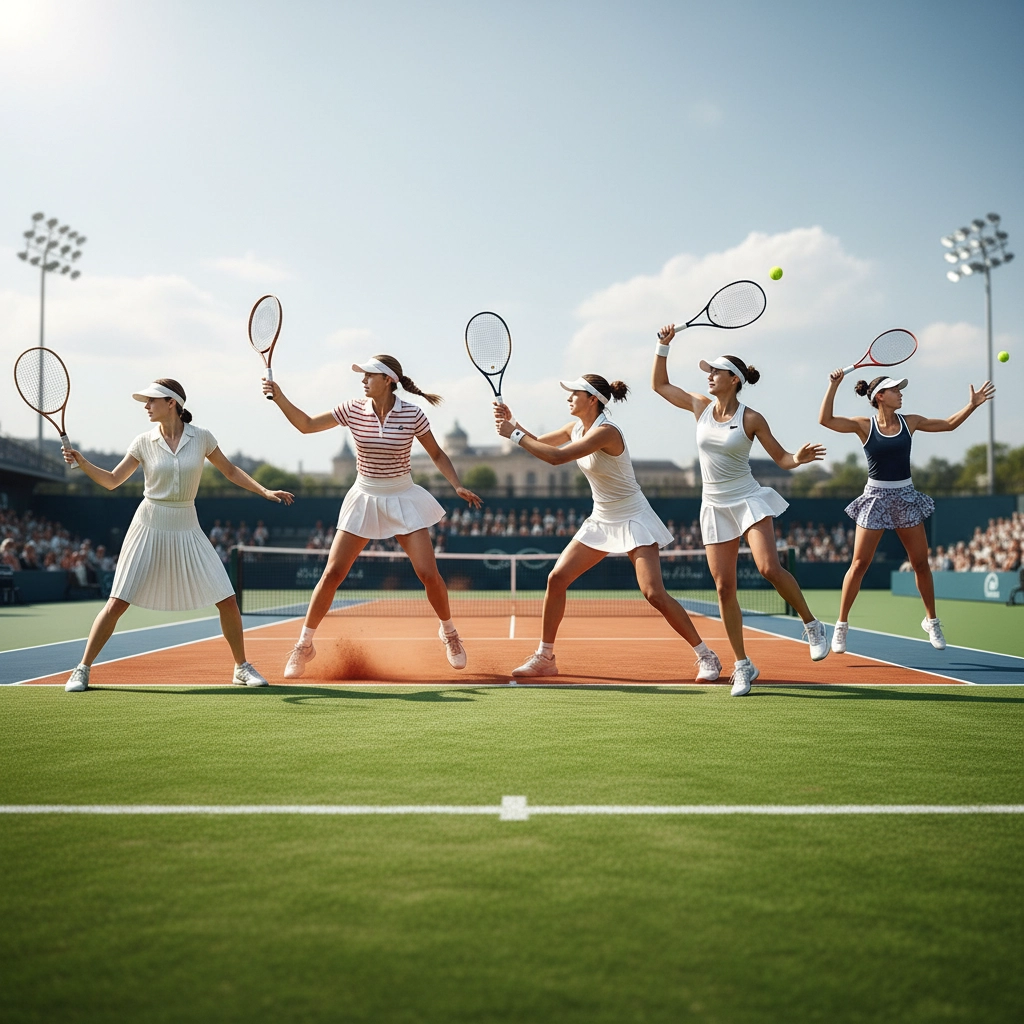
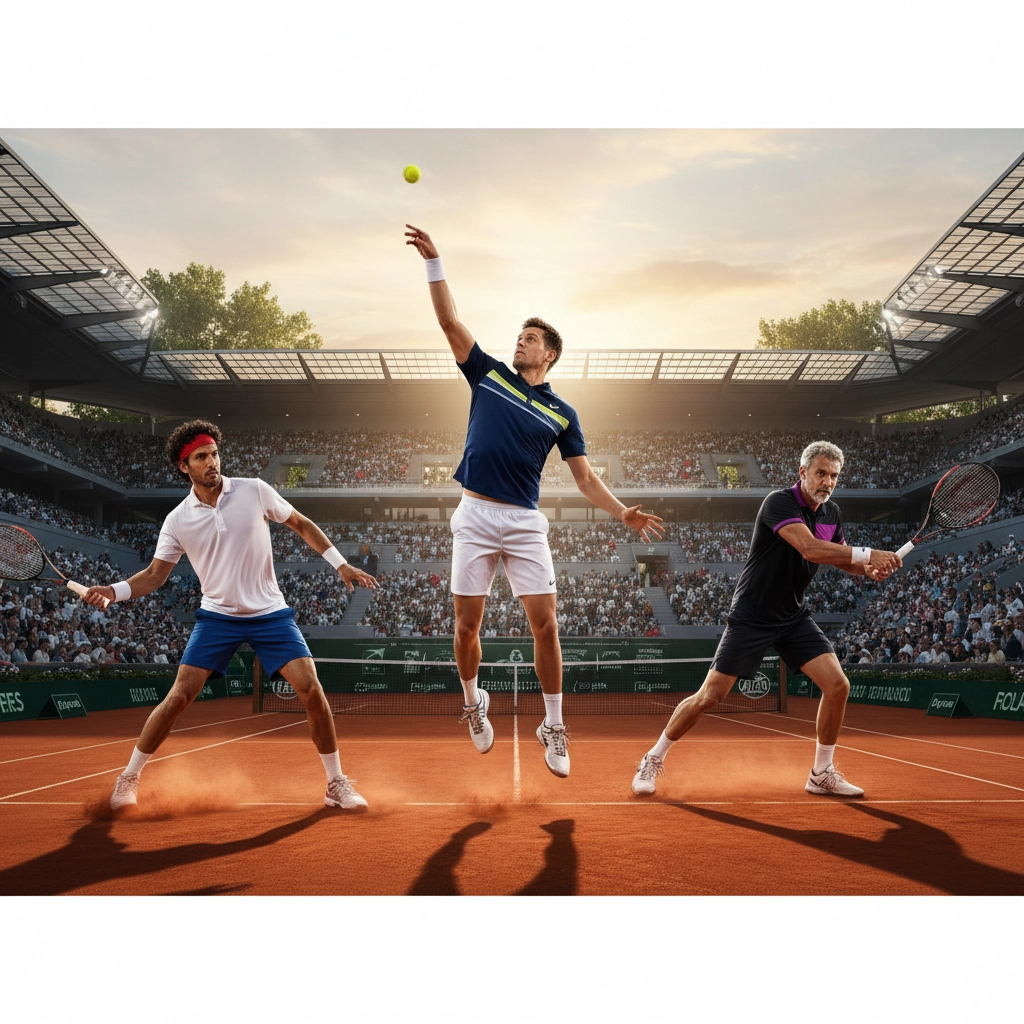
You watch tennis differently when a Grand Slam is on the line. The four majors—Australian Open, Roland‑Garros, Wimbledon, and the US Open—compress pressure, expectation, and history into two weeks. Because Grand Slams award the most ranking points, longest formats, and biggest audiences, they become the crucible where rivalries either flare and fade or burn into legend. In this section you’ll learn how those conditions create matchups that matter far beyond a single scoreboard.
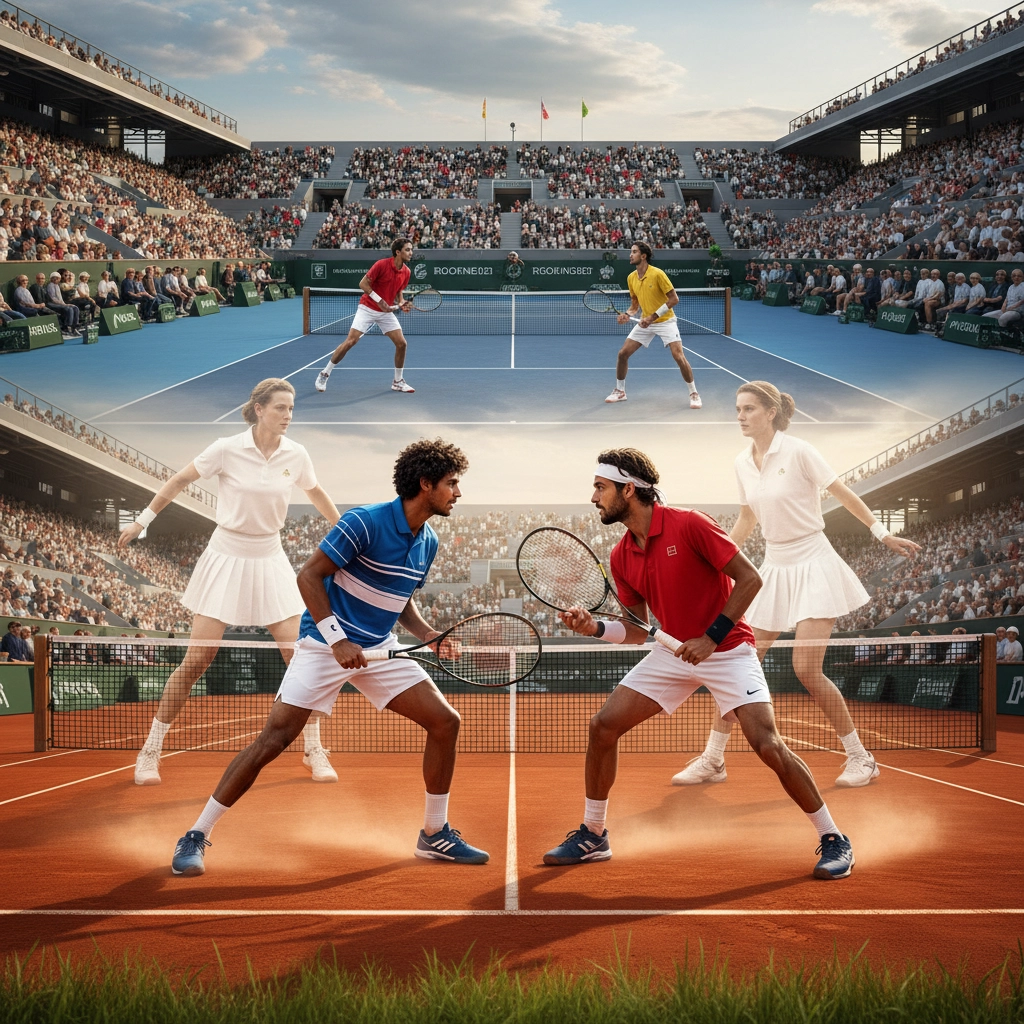
Rivalries in Grand Slams gain intensity for several reasons: repeated high‑stakes meetings, contrasting playing styles, and personal narratives that capture public imagination. When you follow a rivalry across multiple years and surfaces, patterns emerge—one player’s clay mastery versus another’s grass supremacy, or a psychological edge that swings sets and championships. Those recurring storylines turn two competitors into chapters of a sport’s history rather than isolated athletes.
How Early Open Era Rivalries Set the Template for Greatness
To understand the modern giants, you need to look back to the rivalries that first illustrated what Grand Slam battles could be. In the early Open Era, a handful of head‑to‑head dramas provided models you still use to compare current players: epic five‑set swings, fierce stylistic contrasts, and moments that transcended tennis.
Key characteristics you’ll notice in seminal rivalries
- Frequent Grand Slam clashes: When the same two players meet repeatedly at majors, every rematch carries context. You start to anticipate strategy changes and psychological ploys.
- Surface diversity: Rivalries that span clay, grass, and hard courts reveal which skills are durable and which are surface‑dependent, making the matchup richer.
- Defining matches: Certain finals or comeback wins crystallize a rivalry—those matches become shorthand for the entire feud.
- Cultural resonance: Off‑court narratives—nationality, playing philosophy, or personality clashes—help a rivalry penetrate popular culture.
Examples from the formative decades
Consider the duels between players who dominated different aspects of the game. You’ll find classic examples where contrasting temperaments and techniques made every Grand Slam meeting must‑see TV: the cool strategic baseline player pitted against the fiery serve‑and‑volleyer; the clay‑court specialist whose topspin punished opponents at Roland‑Garros versus the all‑court virtuoso who excelled on grass. These early rivalries weren’t just about titles; they shaped coaching methods, equipment choices, and how future champions approached majors.
As you explore the rivalries that followed, you’ll see how these early models echoed through later decades—both in the way matches were played and in how fans and media amplified them. Next, you’ll move into the iconic head‑to‑head battles of the late 20th and early 21st centuries, examining specific Grand Slam finals and the moments that defined them.
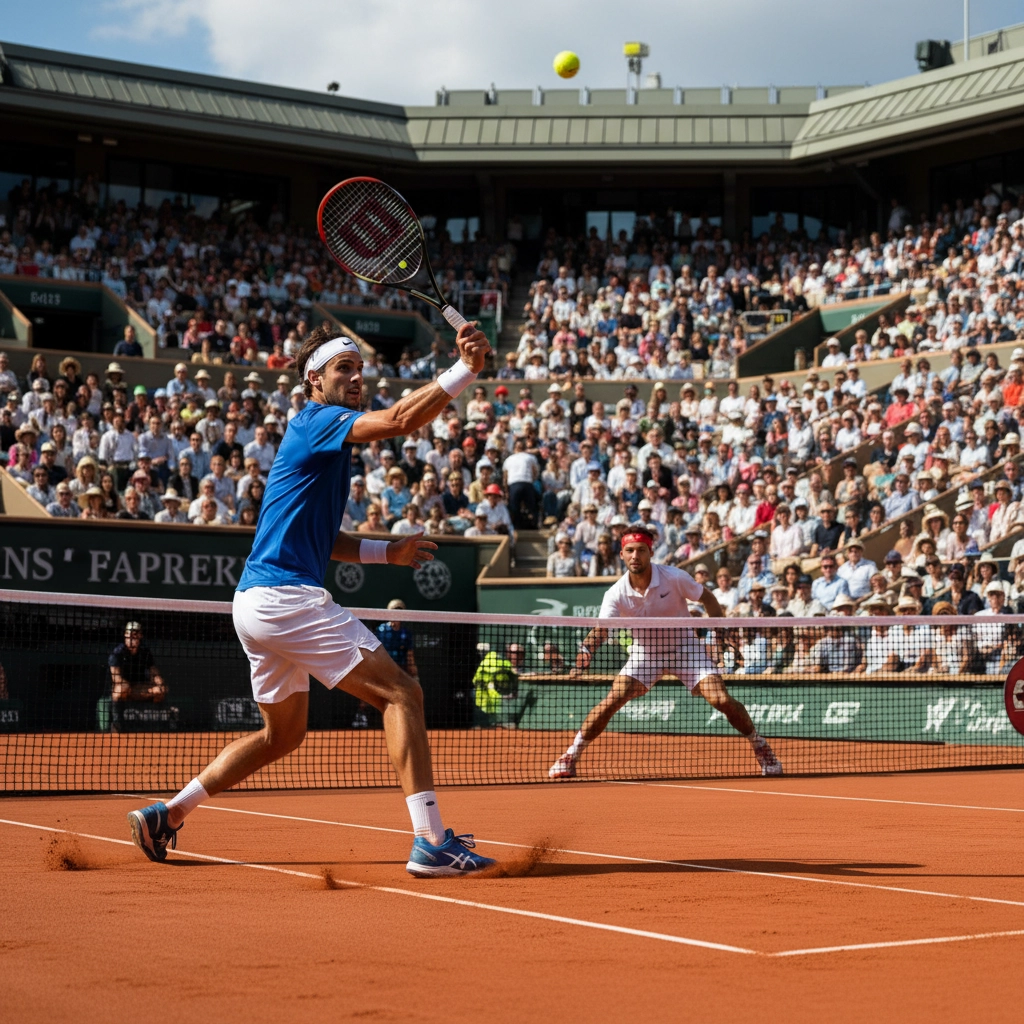
The Icy Calm vs. The Fiery Serve: Borg and McEnroe at Centre Court
The 1980 Wimbledon final between Björn Borg and John McEnroe still reads like a compressed drama: cool precision against combustible passion, baseline patience against volatile serve‑and‑volley fireworks. Their clashes crystallized how contrasting personalities and styles could elevate a single match into cultural lore. Borg’s stoic, heavy‑topspin baseline game and uncanny stamina met McEnroe’s improvisatory touch, razor‑sharp volleying, and emotional volatility. That fourth‑set tiebreak at Wimbledon—often replayed as one of the most electric ten minutes in tennis—didn’t just decide a set; it reframed expectations about pressure, momentum swings, and the spectacle of televised tennis.
Beyond the headline matches, their rivalry illustrated something broader: how Grand Slams magnify psychological edges. Borg’s near‑mythic composure forced McEnroe into ever more dramatic tactics; McEnroe’s unpredictability pushed Borg to innovate under duress. The result was a string of contests where momentum could flip with a single point, and where the surface—Wimbledon grass, in particular—accentuated the clash. For a generation, their feud defined what it meant to be a champion under the Grand Slam microscope.
Baseline Ballet vs. Net Mastery: Evert and Navratilova Across Surfaces
Chris Evert and Martina Navratilova turned recurring Grand Slam meetings into a comprehensive study of contrasting excellence. Evert’s laser‑like consistency, strategic depth, and baseline artistry met Navratilova’s athleticism, aggressive net play, and left‑handed slice. Their rivalry unfolded on every major stage—clay, grass, and hard courts—so each surface tested different facets of their games and shifted the balance between patience and aggression.
What made their encounters indispensable to the sport was not only the frequency of their Grand Slam finals but the tactical evolution they forced on each other. Evert learned to vary pace and approach to counter Navratilova’s rushes; Navratilova honed passing shots and court positioning to mitigate Evert’s accuracy. Those adjustments elevated coaching philosophies across the women’s tour: fitness, serve development, and a more complete all‑court skill set became nonnegotiable for aspiring champions. Their rivalry also helped mainstream women’s tennis, turning rival matches into major events that drew wider media attention and deeper fan investment.
The Clay King Meets the All‑Surface Maestro: Federer and Nadal’s Grand Slam Duels
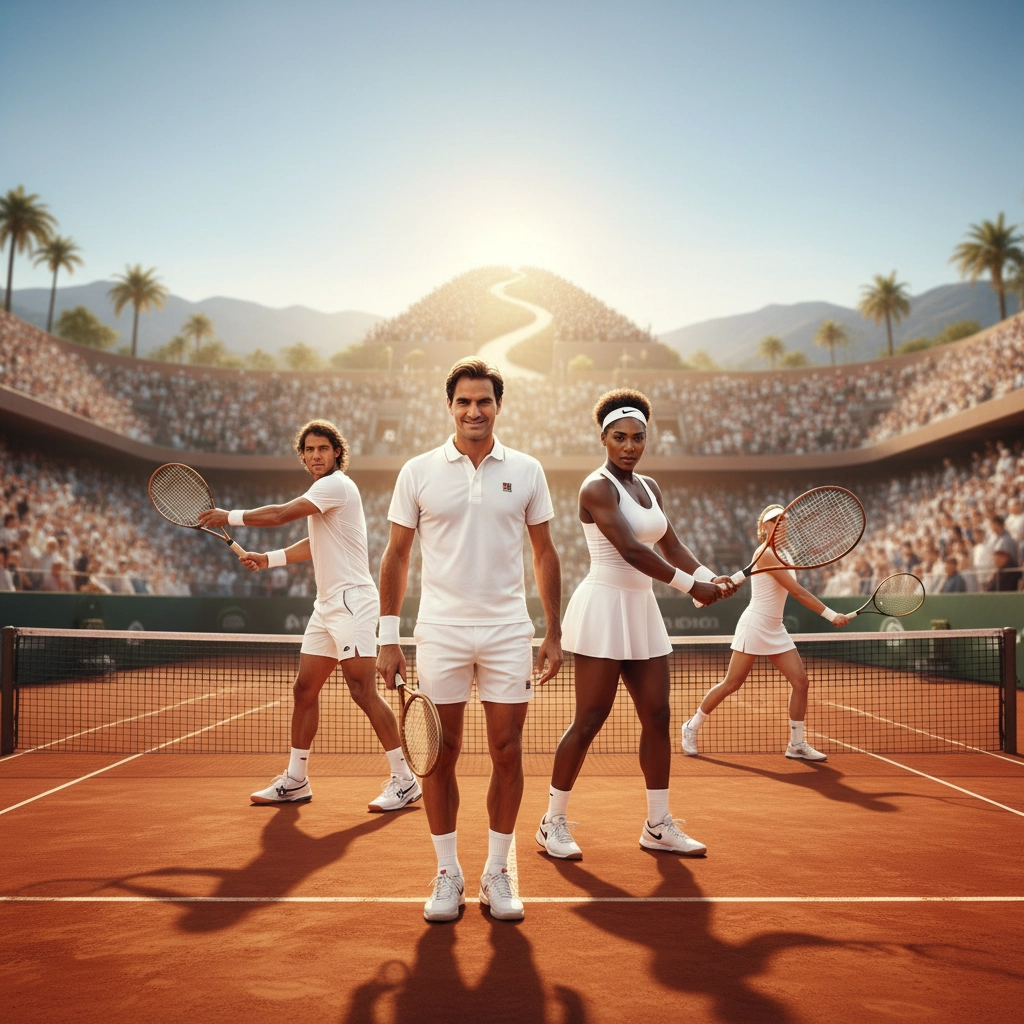
Few modern rivalries have reshaped public perception of the sport like Roger Federer versus Rafael Nadal. Their Grand Slam meetings juxtaposed Federer’s effortless precision, quick court coverage, and variety with Nadal’s relentless top‑spin, intensity, and clay‑court mastery. The 2008 Wimbledon final—often called one of the greatest matches ever—offered a microcosm: fluctuating momentum, epic baseline exchanges, and a finish so dramatic it seemed to suspend time.
Across years and surfaces, their duels created new storylines for greatness. Nadal’s dominance at Roland‑Garros and his ability to push Federer on slower courts contrasted with Federer’s supremacy on grass and his supreme shotmaking under pressure. Each Grand Slam clash became a litmus test for adaptability: could one player impose his preferred style, or would the other force a strategic rewrite? Beyond trophies, their rivalry expanded tennis’s global audience, merging athletic artistry with narrative drama and proving that repeated Grand Slam showdowns can define careers and an era.
As rivalries evolve, new chapters continue to write themselves at the majors. Novak Djokovic’s battles with Federer and Nadal, and the modern surge of competitive depth on both tours, prove that Grand Slams remain the ultimate arena for personal and stylistic contrasts. These contests do more than decide trophies; they influence coaching, equipment, broadcasting, and how generations of players measure success.
Legacy and Looking Ahead
Great Grand Slam rivalries persist because they speak to more than athletics: they frame resilience, creativity, and character under pressure. Whether you watch for technique, narrative, or sheer spectacle, the majors will keep producing matchups that define eras and inspire future champions. For match schedules, historical archives, and ongoing coverage, official tournament sites remain the best source of authoritative information—start with the Wimbledon website for a model of how a single Grand Slam curates its history and stories.
Frequently Asked Questions
Why do Grand Slams intensify rivalries compared to regular tour events?
Grand Slams raise stakes through best‑of‑five (men’s), maximum ranking points, larger audiences, and greater media scrutiny. Those factors magnify pressure and extend matches, giving tactical adjustments, fitness, and mental strength more opportunities to shape outcomes—and to deepen rivalries.
Which rivalries have most shaped modern Grand Slam history?
Historically influential rivalries include Borg vs. McEnroe for its psychological drama, Evert vs. Navratilova for tactical evolution across surfaces, and Federer vs. Nadal for contrasting styles that captivated a global audience. More recently, Djokovic’s matchups with both Federer and Nadal extended those narratives into the present era.
How do different Grand Slam surfaces affect the dynamics of a rivalry?
Surfaces amplify or blunt particular skills: clay favors heavy topspin and endurance, grass rewards slice and net play, and hard courts reward a balance of power and consistency. When rivals meet across multiple surfaces, the matchup becomes a tactical chess match where each player tries to shift conditions to their strengths.