Choosing between a tennis bracelet and a bangle: what to consider first
You probably own (or want) jewelry that feels effortless to wear and elevates your everyday look. The choice between a tennis bracelet and a bangle hinges on comfort, movement, and how you plan to wear the piece. A tennis bracelet is flexible and stone-focused, while a bangle is rigid and design-forward. Understanding their construction and typical uses will help you pick the piece that matches your lifestyle, wardrobe, and personal aesthetic.
How a tennis bracelet works and who it flatters
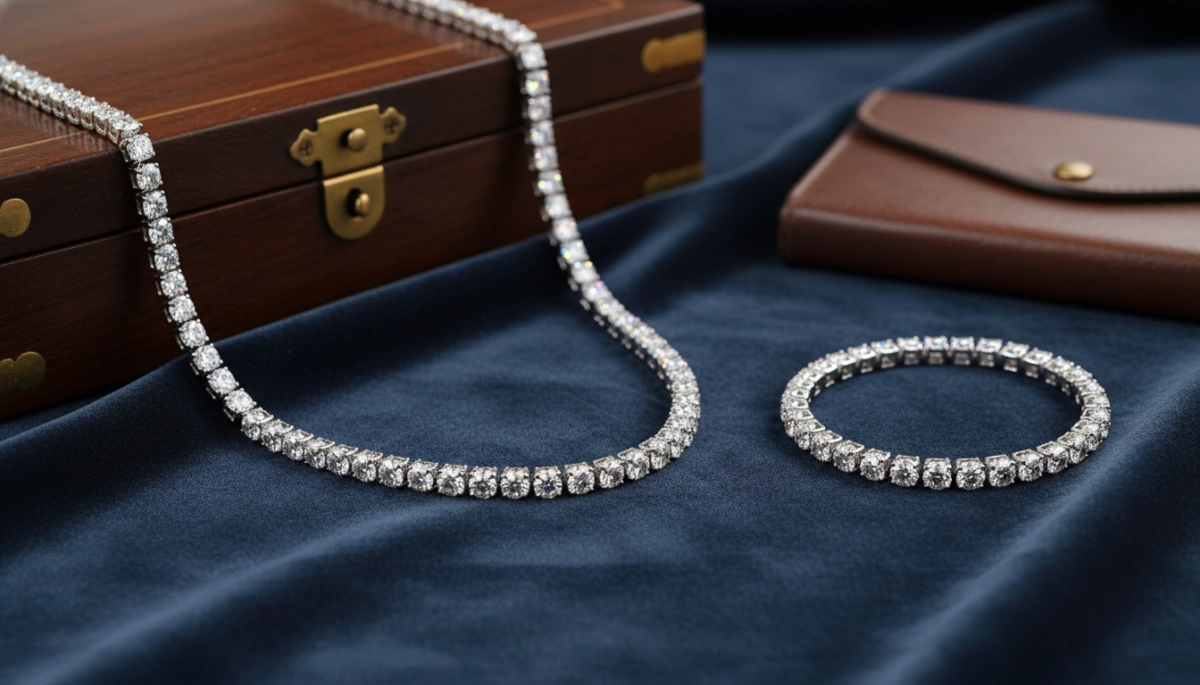
A tennis bracelet is a flexible chain of gemstones—most often diamonds—set in a repeating pattern and connected by small links. It’s named for an incident in the 1980s when professional tennis player Chris Evert paused a match to search for her missing diamond link bracelet; the style then earned the nickname “tennis bracelet.”
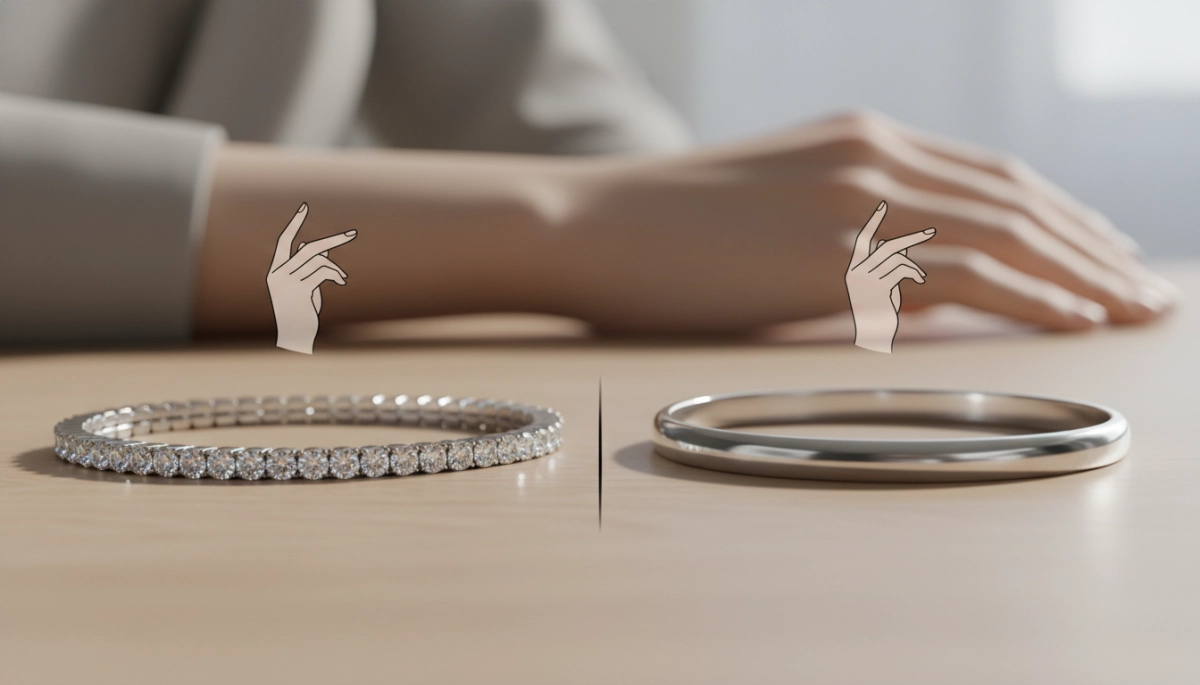
- Design and feel: Thin, low-profile, and fluid against the wrist. It moves with you and drapes similar to a delicate chain.
- Clasp and security: Usually fitted with a safety clasp or double-locking mechanism, making it suitable for active wear if properly secured.
- Stone focus: Emphasizes gemstones—ideal if you want sparkle without a bulky silhouette.
- Versatility: Works well solo for a minimalist look or layered with other bracelets for a modern stacked style.
- Who it flatters: If you prefer refined, understated elegance or need a comfortable piece for daily wear, a tennis bracelet is likely a better fit.
What a bangle brings to your style and when it shines
Bangles are rigid bracelets—circular or oval—that slide over the hand or open on a hinge. They can be made from metal alone or embellished with stones and enamel. Bangles come in many widths and finishes, from thin polished bands to wide sculptural cuffs.
- Design and presence: A bangle has a more architectural, visible presence on the wrist. It creates a statement even without gemstones.
- Fit and movement: Because it’s rigid, a bangle doesn’t conform to the wrist. It may slide up and down depending on the fit; a snug bangle stays put while a looser one moves more.
- Durability: Often sturdier than delicate link bracelets; metals and thicker profiles withstand knocks better.
- Styling options: Ideal for stacking multiple bangles for a bold look, or wearing a single wide cuff for impact.
- Who it flatters: If you like structured jewelry or want pieces that read from a distance (work events, social outings), a bangle delivers visual weight.
With the basics of construction, feel, and typical styling covered, the next section will help you match these characteristics to your wrist size, activity level, and outfit choices so you can decide which piece suits you best.
Match your wrist size and shape to the right silhouette
The way a bracelet sits on your wrist changes the whole effect. Before buying, consider both wrist circumference and bone structure—these guide whether a delicate drape or a bold cuff will look balanced.
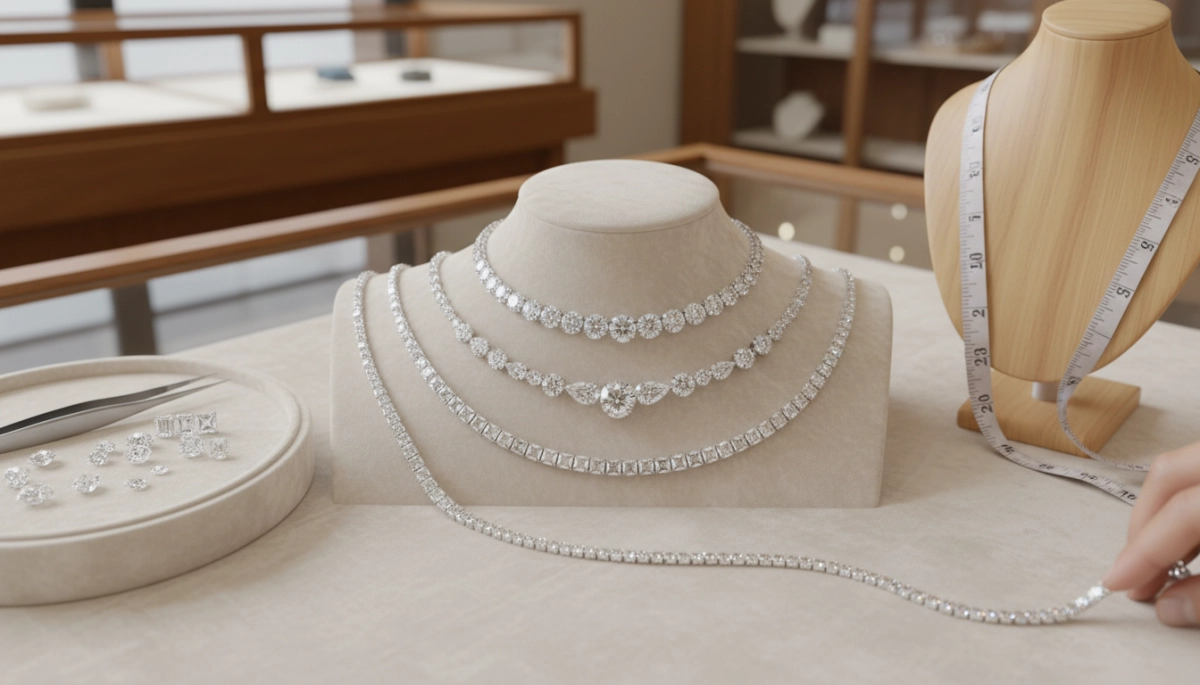
- Measuring basics: For a tennis bracelet, measure your wrist where the bracelet will sit and add ½” to 1″ (about 1.2–2.5 cm) for comfortable movement without sliding too far. Common women’s lengths are roughly 6.5″, 7″, and 7.5″. For bangles, measure the widest part of your hand (with fingers together) so the bangle slides on without force; many brands list internal diameters (small ≈ 2.4″, medium ≈ 2.6″, large ≈ 2.8″). If measurements are unclear, try the piece on—fit is everything.
- Wrist width and proportion: Narrow, petite wrists tend to look most elegant with slim tennis bracelets or thin bangles. Wider wrists can carry wider bangles or multiple stacked bangles, and a tennis bracelet with larger stones provides better visual balance.
- Bone structure: Slender wrists with prominent bones often benefit from flexible pieces (tennis bracelets) that soften angular lines. If you have a rounded, softer wrist, a structured bangle or cuff can add definition.
- Movement preference: If you dislike jewelry sliding up your arm, choose a slightly snugger tennis bracelet or an oval-shaped bangle that limits rotation. Conversely, if you like a lively, jangly feel, a looser bangle or a tennis bracelet with slightly more length will give that motion.
Consider your lifestyle and activity level
How you live—work, hobbies, family life—should heavily influence your choice. Both styles can be worn daily, but practical concerns matter.
- Active days: For gym sessions, gardening, or hands-on work, a low-profile tennis bracelet with a reliable safety clasp is usually more comfortable and less likely to snag than a hinged bangle. That said, consider removing even secure pieces for high-impact activities.
- Office and commuting: A slim tennis bracelet reads polished and professional next to a watch or blazer cuff. A single thin bangle can also work, but wide bangles may interfere with sleeves and keyboards.
- Travel and childcare: Durability and security are priorities—choose bracelets with strong clasps and solid construction. Bangles made from hardy metals resist deformation, while a well-made tennis bracelet with a safety lock reduces the risk of loss.
- Special occasions: For formal events, a diamond tennis bracelet brings refined sparkle that pairs well with evening gowns. If you want a statement, a sculptural cuff or embellished bangle can be the focal point of your look.
Style pairings: outfits, other jewelry, and how to stack
Think of bracelets as part of an overall composition. The right pairing enhances both your outfit and the jewelry.
- Day-to-night versatility: A tennis bracelet transitions effortlessly from desk to dinner—wear it alone for subtlety or add one bolder ring for evening. A statement bangle is more event-driven but can elevate a simple daytime dress when worn singly.
- Mixing metals and textures: Don’t be afraid to mix gold and silver—pair a yellow gold bangle with a white gold tennis bracelet for contrast. To keep the look cohesive, repeat one metal in another accessory (earrings or a necklace).
- Stacking rules of thumb: For a balanced stack, combine one eye-catching piece (wide cuff or chunky bangle) with two slimmer companions. Tennis bracelets layer well with thin bangles or delicate chains; multiple bangles create rhythmic impact and work best in similar widths or complementary finishes.
- Pairing with a watch: A slim tennis bracelet complements a watch without competing. If you prefer bangles, choose narrow styles or wear them on the opposite wrist to avoid bulk.
Final thoughts on wearing what feels right
Choosing between a tennis bracelet and a bangle ultimately comes down to how a piece makes you feel when you wear it. Whether you prefer the quiet sparkle and flexibility of a tennis bracelet or the bold architecture of a bangle, pick the one you reach for first—and don’t be afraid to own both for different moods and occasions. Try pieces on at different lengths and widths, check clasps and hinges for comfort and security, and consider professional sizing if you’re buying online.
For practical care tips, authentication guidance, and more technical information on gemstones and settings, consult reputable resources such as GIA’s jewelry guides before making a major purchase.
Key Takeaways
- Try bracelets on in person when possible—fit and movement are the best indicators of long-term comfort.
- Match the style to your lifestyle: choose durability and secure clasps for daily wear, and statement bangles for impact occasions.
- Maintain pieces with proper care, insurance for high-value items, and guidance from trusted gemological resources.