Why these historic champions still matter to your understanding of tennis
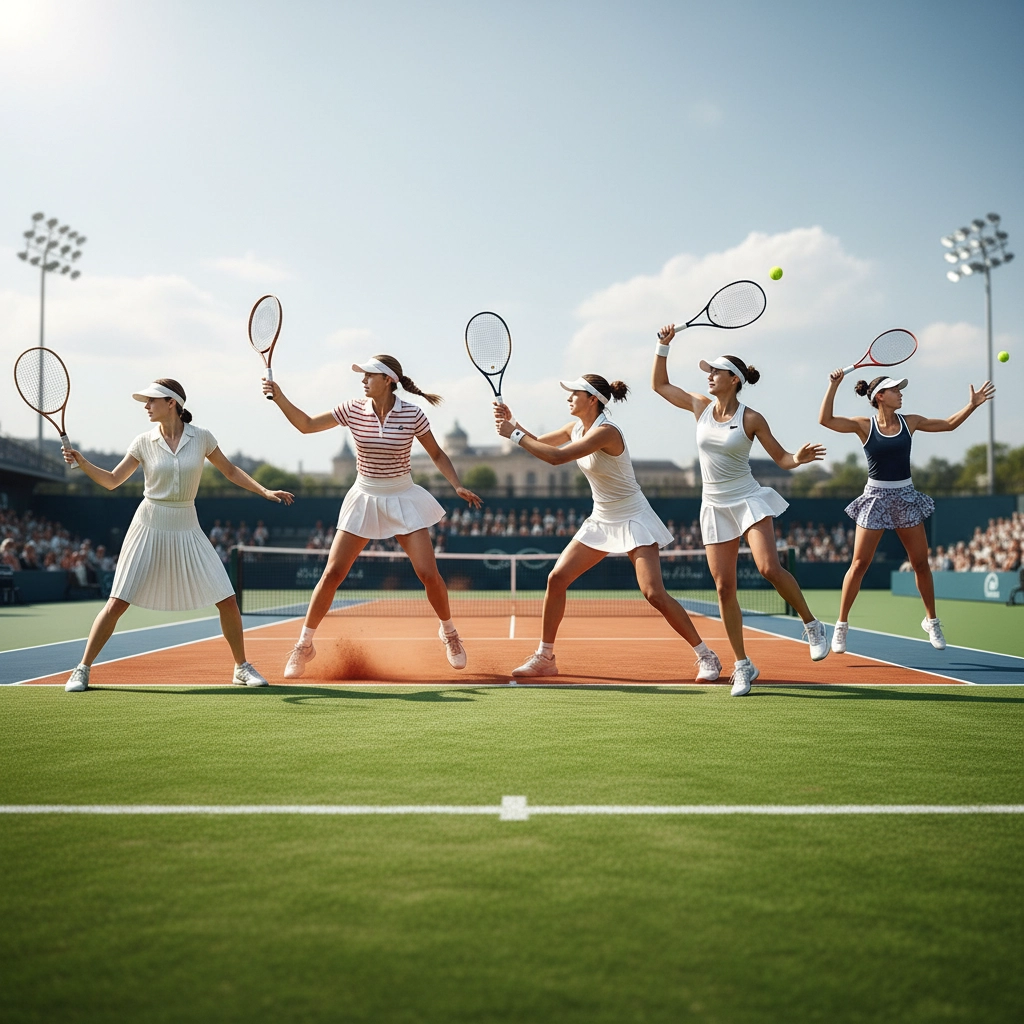
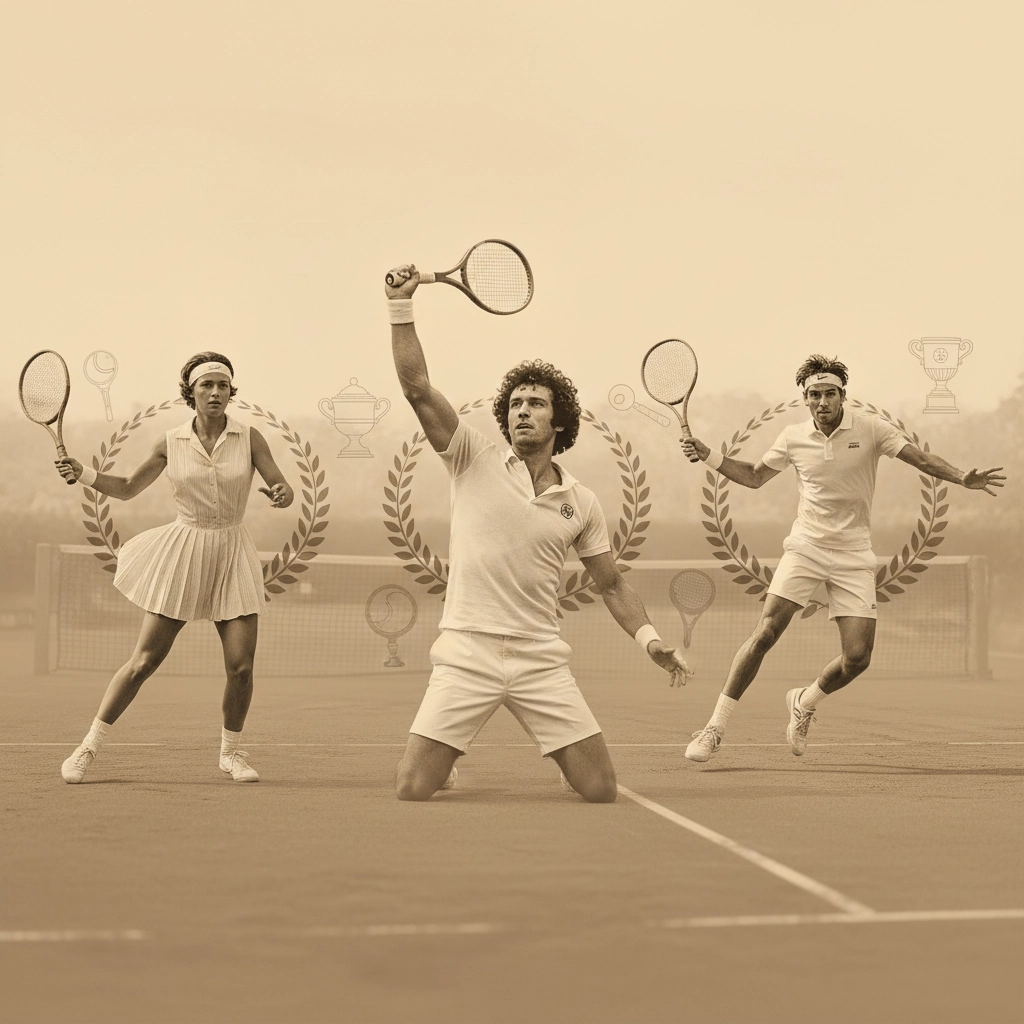
You often think of tennis as a modern blend of power, precision, and athleticism, but many of the conventions you accept today were set by players from previous centuries. By tracing the careers of early champions, you gain insight into how playing styles, equipment, and even public expectations evolved. This section helps you place those early figures in context so you can better appreciate the rule changes, rivalry narratives, and cultural shifts that shaped the sport.
As you read, consider how each champion combined talent, technique, and personality to influence their era. You’ll see recurring themes—innovation under pressure, adaptation to changing surfaces, and public personas that helped popularize tennis beyond elite clubs. Recognizing these patterns lets you interpret contemporary players through a historical lens and understand why certain strategies remain effective today.
Foundations of greatness: early lives and defining breakthroughs of pioneering champions
Bill Tilden — transforming power and psychology
You’ll notice Bill Tilden’s impact when you study the transition from amateur pastime to spectator sport in the early 20th century. Tilden combined physical dominance with a cerebral approach; he analyzed opponents and used spin, placement, and pace in ways that advanced tactical thinking. His early life as a collegiate player and his dominance in the 1920s gave you the first model of a modern celebrity athlete in tennis.
- Key early achievement: multiple U.S. Championships in the 1920s that established professional standards.
- Playing trait to note: strategic use of serve placement and baseline control.
- Legacy point: elevated the importance of psychological preparation and match tactics.
Suzanne Lenglen — athleticism, style, and rewriting expectations for women
You can trace the rise of women’s tennis to figures like Suzanne Lenglen, whose movement, shot variety, and courtcraft challenged Victorian notions of female athleticism. Lenglen’s precise footwork and inventive volleys changed how women competed and were perceived. Her early breakthroughs at Wimbledon and other international tournaments transformed public interest and sponsorship—showing you how a single player can alter both technique and commercial appeal.
- Key early achievement: consecutive Wimbledon titles that showcased a new level of female athleticism.
- Playing trait to note: aggressive net play paired with deceptive touch shots.
- Legacy point: helped normalize professional showmanship and international competition for women.
Maud Watson and the origins of competitive women’s tennis
If you want to understand the roots of competitive play, Maud Watson’s Victorian-era victories are instructive. Watson helped define organized, rule-governed women’s competition and demonstrated how format and etiquette were codified in early tournaments. Her role shows you the societal constraints early champions navigated and how success required both skill and social savvy.
- Key early achievement: one of the first women to win organized lawn tennis championships.
- Playing trait to note: classical groundstrokes and emphasis on consistency.
- Legacy point: established standards for women’s tournament play and sportsmanship.
With these early profiles, you have a foundation for how pioneers shaped technique, public perception, and the structure of the sport; next, you’ll examine how rivalries, equipment changes, and surface specialization further defined the legends you recognize today.
Rivalries that reshaped tactics and captured public imagination
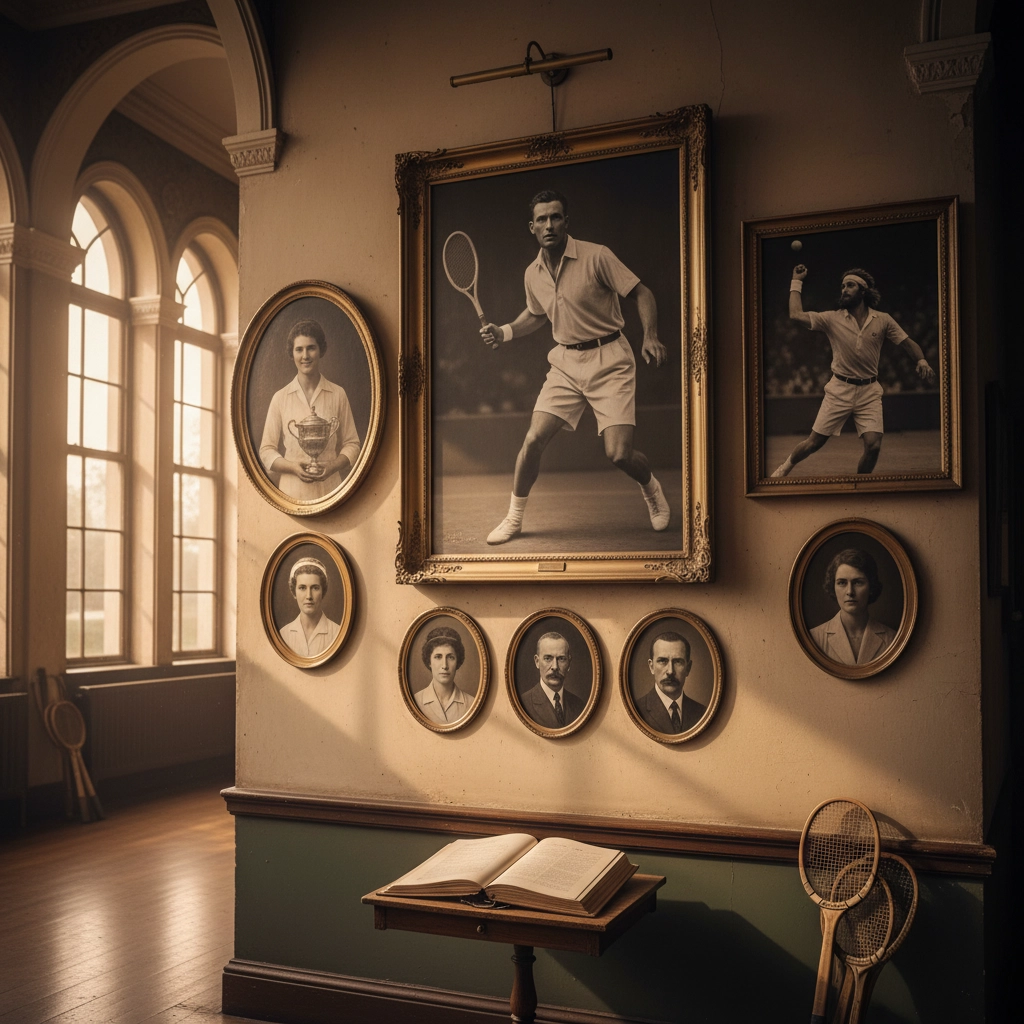
When you study tennis history, rivalries are the engine that accelerated change—on court and off. High-profile matchups forced players to refine weaknesses, popularized stylistic contrasts, and turned technical debates into cultural conversations. Consider a few archetypes: the cool, relentless baseline grinding of Björn Borg against John McEnroe’s volatile net artistry; the clinical consistency of Chris Evert facing Martina Navratilova’s relentless volleying; or the late-20th-century duel between Pete Sampras’s fearsome serve-and-volley and Andre Agassi’s return-driven baseline aggression. Each pairing didn’t just decide titles—they illustrated opposing philosophies and demanded evolution.
Rivalries push innovation because repeat encounters reveal patterns. A player who once bullied opponents with power had to add variety when facing someone with superior returns. A net-rusher learned to disguise approach shots; a baseliner had to develop sharper angles or stronger passing shots. Beyond tactics, rivalries shaped how tennis was consumed: television-friendly personalities, episodic storylines, and national allegiances turned matches into must-see events. For the modern viewer, understanding these duels helps you read players’ adjustments—why a contemporary champion alters serve placement, adds a kick serve, or adopts a more aggressive second-serve strategy. Rivalries teach you to see tennis as an ongoing tactical conversation across generations.
From wood to composite: equipment revolutions that remade play
Equipment evolution is a silent architect of tennis trends. Wooden racquets of the pre-1970s era constrained power and required precise timing; they rewarded classical technique and volleying touch. The introduction of aluminum and then graphite frames in the 1970s and ’80s expanded sweet spots and allowed larger heads, making power and spin more accessible. String technology followed: natural gut provided feel and control, while the later rise of polyester synthetics enabled exceptional topspin and durability—at the cost of more arm stress for some players.
These shifts altered what was physically possible. Bigger, stiffer frames amplified serve speed and groundstroke depth; polyester strings let players impart heavier spin, creating higher bounces and longer rallies. Footwear and court surface maintenance also evolved, improving traction and reducing injury. When you watch modern champions hit with arresting pace and exaggerated spin, you’re witnessing an equipment-enabled style: heavier topspin forehands, aggressive baseline positioning, and serves that set up immediate offensive opportunities. Appreciating these technological drivers explains why certain techniques—once rare—became widespread and why training methods adapted to new physical demands.

Surface specialization and the tactical mosaic of court types
Surfaces remain one of the clearest lenses through which to view stylistic diversity. Clay slows pace and produces higher, slower bounces; it rewards patience, endurance, and heavy topspin. Grass rewards quick points and low, skidding balls—naturally favoring serve-and-volleyers and crisp slice. Hard courts sit between them, offering predictable bounces and favoring all-court adaptability.
Look at Rafael Nadal’s clay dominance, which combines extreme topspin, exceptional balance, and relentless point construction; contrast that with Roger Federer’s mastery on grass—softened by elegant slice and forward movement—or Novak Djokovic’s baseline control and return prowess on hard courts. Historically, surface specialists forced rivals to broaden their games or focus on calendar planning to maximize results. Over time, surface homogenization at many tournaments reduced extreme specialization, but the tactical lessons remain: footwork, shot selection, and rally construction are always filtered through the medium of the court beneath your feet. Recognizing these interactions helps you see why a champion’s success at one major might not translate directly to another, and why adaptive players often leave the largest legacies.
Legacy and lessons for future generations
Historic champions leave more than records; they create touchstones for how the sport can evolve while retaining its core challenges—strategy, skill, and character. Their careers encourage curiosity: watch old matches, study shifts in technique, and trace how social and technological changes shaped opportunity and style. Whether you play, coach, or simply follow tennis, these stories invite you to see the game as an ongoing conversation between past and present. If you want to explore artifacts and deeper biographies, the International Tennis Hall of Fame is a good starting point to connect names with moments and material history.
Frequently Asked Questions
How did equipment changes influence how champions played?
Advances in racquet frames and string technology expanded power and spin potential, which shifted emphasis from precise touch and timing to heavier groundstrokes and aggressive baseline play. This altered training, shot selection, and injury patterns, prompting players to adapt technique and conditioning over eras.
Why do rivalries matter beyond deciding titles?
Rivalries accelerated tactical innovation by exposing weaknesses and forcing adjustments; they also shaped public interest, media narratives, and player personas. Repeated high-stakes encounters turn technical debates into watchable drama, raising the profile of the sport and influencing how future players approach matches.
In what ways do playing surfaces shape a champion’s legacy?
Surfaces determine ball behavior and movement demands, favoring different skill sets—patience and topspin on clay, quick touch and serve dominance on grass, and adaptability on hard courts. A player’s dominance on a particular surface can define career narratives and drive rivals to broaden their games to compete across conditions.