

Why early champions still shape how you understand tennis greatness
You can only appreciate modern records when you know the roots of the sport. Early champions created the milestones, rivalries, and tournament structures that turned tennis into a global spectacle. Their playing styles, equipment choices, and dominance in specific eras set standards you still use when comparing players today.
When you study these foundational figures, you’ll notice three recurring themes: sustained dominance in an era, landmark achievements that became reference points (like the first calendar Grand Slam), and rule or format shifts that changed how titles are counted. A clear example is the distinction between the amateur era and the Open Era, begun in 1968, which allowed professionals to compete in Grand Slam events and therefore altered the competitive landscape and statistical comparisons.
Foundational champions and the milestones that defined early records
Who to know from the pre-Open era and what they achieved
- Don Budge — You’ll remember him as the first player to complete a calendar-year Grand Slam, a landmark achievement that set an early benchmark for single-year dominance.
- Rod Laver — He stands out because he completed the calendar-year Grand Slam twice, once as an amateur and once after the Open Era began; his career highlights force you to think about records across different eras.
- Bill Tilden — As a dominant force in the 1920s, Tilden’s long winning stretches and tactical innovations made him a defining figure of his generation.
- Suzanne Lenglen and other early women champions — They transformed women’s tennis through commanding performances at major championships and helped popularize the sport among new audiences.
These players didn’t just win trophies; they influenced how the sport was played, promoted, and recorded. For example, you’ll notice early match lengths, amateur-only tournaments, and less global participation all affect early title totals. It’s important to interpret their records in context: comparing raw numbers across decades without context can mislead your conclusions about “greatness.”
How tournament structure and records evolved before modern statistics
- Amateur vs. professional status: Before 1968, many top players turned professional and were excluded from Grand Slam events, so you must account for incomplete title lists when tracing a player’s full impact.
- National championships and pro tours: You’ll find that important events outside the Grand Slams often carried prestige and showcased elite talent, but they weren’t always captured in the same record books.
- Match formats and surfaces: Variations in surfaces, racquet technology, and match formats shaped player strengths and can explain era-specific dominance.
Now that you’ve seen the essential early figures and why era context matters, you’re ready to move into the Open Era where title counts, head-to-head rivalries, and modern records become the next focus.

Open Era icons and the redefinition of greatness
The Open Era didn’t just blend amateur and professional fields; it created a new statistical ecosystem. From the 1970s onward, prize money, global tour calendars, and media coverage expanded rapidly — and with them, the metrics you use to judge legends. Players who dominated this era did so across a denser schedule, more surfaces, and against deeper fields. That makes their records both richer and more complicated to interpret.
Think in terms of types of dominance rather than only raw totals. Some champions rewrote Grand Slam history by collecting majors across surfaces and decades; others built their legacies through season-long supremacy, year-end championships, or staggering consistency in ranking points. On the women’s side, multiple-era titans combined power, athleticism, and longevity to shift expectations about career length and peak performance. The Open Era also produced new landmark achievements — calendar-year and career Grand Slams, multiple-slam streaks, and unprecedented streaks of weeks at world No. 1 — each of which became shorthand for “all-time” status in public and pundit debates.
When you look at Open Era greats, evaluate three dimensions: peak brilliance (periods of undeniable dominance), longevity (ability to remain at the top across seasons), and breadth (success on different surfaces and event categories). Different players weight these differently, which is why debates about “the greatest” keep evolving.
The Big rivalries and how head-to-heads bend the record books
No single stat tells the full story — head-to-head rivalries often supply the missing context. The sport’s most consequential rivalries pushed players to new levels and, crucially, rearranged title distributions. Consider rivalries where two or three players traded majors and season titles for years; those matchups not only defined the era but also limited how many trophies any one player could collect.
Rivalries matter for two reasons. First, they affect timing: if the best players are contemporaries, Grand Slam and major-title totals are split rather than concentrated. Second, they shape legacy narratives: beating your era’s best in finals often carries more weight culturally than accumulating the same number of titles against weaker draws. So when you scan a champion’s trophy case, check who their fiercest rivals were and how that rivalry influenced title opportunities.
Also note that rivalries are surface-sensitive. Some matchups favored clay, others fast courts; head-to-head records can flip depending on where matches occurred. Evaluating greatness therefore requires looking at overall head-to-head trends and the surface-specific slices of those records.
Surfaces, schedules, and the hidden variables in title counts
Not all titles are created equal — the meaning of a trophy changes with context. Surfaces (clay, grass, hard court, indoor), tournament prestige, draw strength, and seasonal scheduling all shape the difficulty of winning an event. A Grand Slam remains the ultimate benchmark because it demands seven wins against a deep field over two weeks on a single surface, but season-ending championships, Masters/WTA 1000 events, and Olympic medals carry distinct prestige that complements Slam totals.
Other hidden variables matter too: the expansion of the tour calendar, advances in sports medicine and recovery, and technological shifts in racquets and strings have lengthened careers and altered playing styles. That makes modern players more likely to amass high career totals than many early champions, but it doesn’t automatically make those totals superior — they’re different achievements in a different competitive environment. When you compare legends, the smartest approach is layered: weigh raw numbers alongside era, surface range, head-to-heads, and the quality of the opposition.
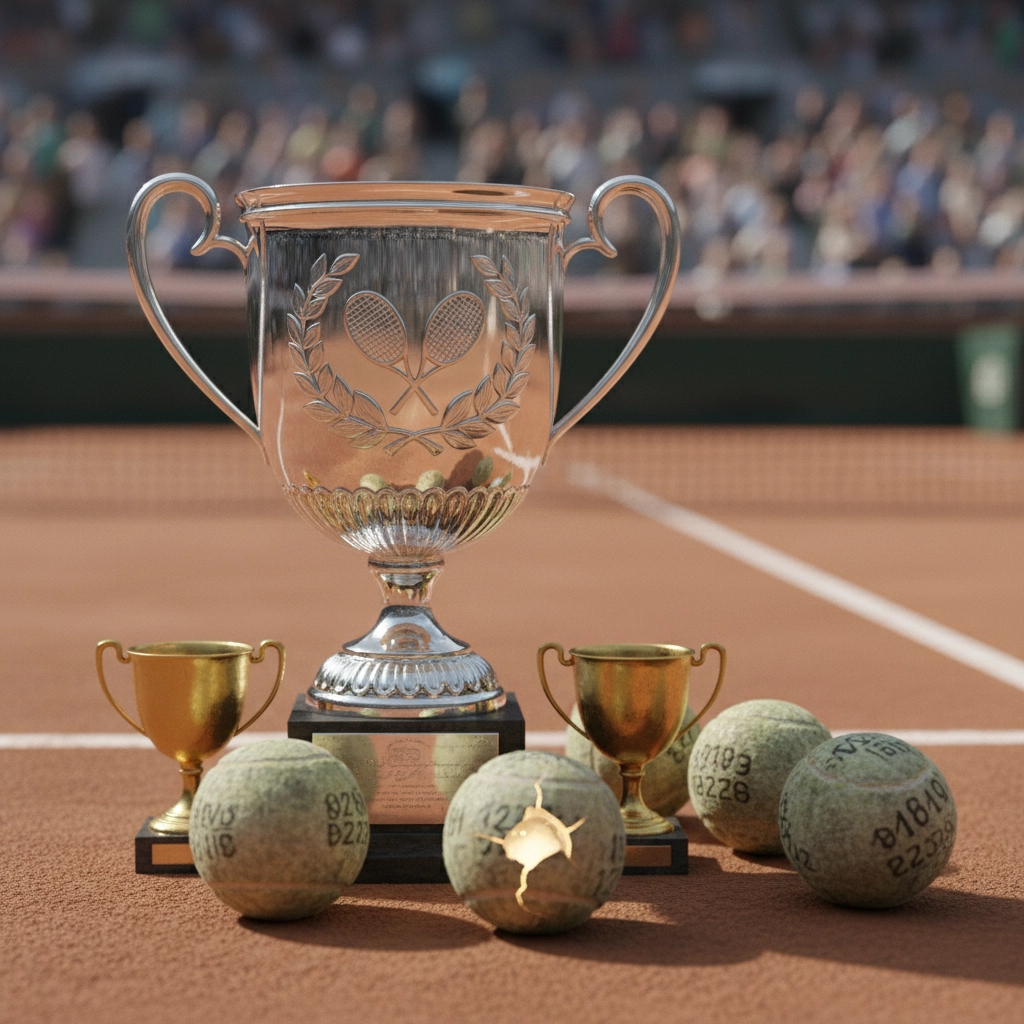
Beyond the Trophies: How the legends continue to shape the game
Legends do more than fill trophy cabinets — they shape expectations, tactics, and the culture of tennis. Their records become reference points that fans, coaches, and players use to set goals, argue rankings, and inspire training methods. As equipment, analytics, and athletic preparation evolve, these historical benchmarks will keep serving as touchstones: not as fixed verdicts, but as starting points for new conversations about what counts as greatness.
When you look at lists of titles and records, treat them as living documents. New champions will add lines to tables and twist head-to-head narratives, but the deeper lessons — about adaptability, resilience, and era-aware comparison — remain. For further reading on the sport’s documented history and hallmarks of excellence, visit the International Tennis Hall of Fame.
Frequently Asked Questions
How should I compare players from the amateur era with those from the Open Era?
Compare across eras with context: note differences in who could enter Grand Slams, the depth of international competition, tour schedules, and technology. Instead of treating raw title counts as definitive, weigh era-specific constraints (like professionals being barred pre-1968) and emphasize traits such as dominance within an era, surface versatility, and head-to-head results where available.
Why are Grand Slams considered more important than other titles?
Grand Slams require the most consecutive high-level wins over two weeks against the deepest fields and often carry unique historical prestige. Other events (Masters/WTA 1000, season-ending championships, Olympics) are important too, but Slams remain the primary benchmark because of their format, tradition, and influence on legacy narratives.
How much should head-to-head records influence judgments about the greatest players?
Head-to-heads provide crucial context, especially for contemporaries whose careers overlapped. They reveal who prevailed in critical matchups and on specific surfaces. Use them alongside titles, longevity, and surface range: a strong head-to-head record against other top players can elevate a legacy even if total trophy counts are similar.