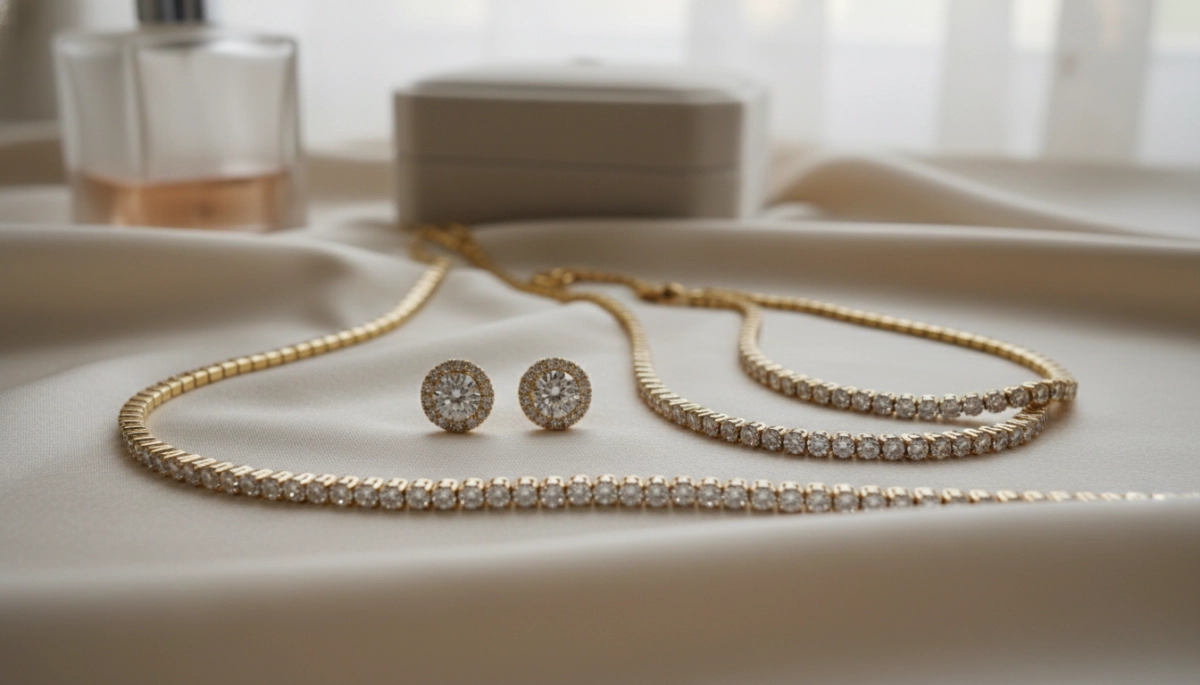

Finding the perfect custom tennis bracelet online
You want a tennis bracelet that reflects your style, fits comfortably, and holds its value. Ordering custom jewelry online gives you control over metal, stone quality, and details like clasp style and setting. To get the outcome you expect, you need a clear plan before you start comparing retailers. This section helps you frame the choices you’ll make and the questions you should ask a jeweler.
Define the core features you want
Before you browse stores, decide the essentials: metal type, gemstone, carat weight range, setting style, and approximate budget. Those decisions narrow your search and make conversations with designers faster and more productive.
- Metal: Choose between yellow, white, or rose gold, or platinum. Each affects durability, price, and maintenance.
- Stones: Decide if you want natural diamonds, lab-grown diamonds, or alternative stones (e.g., moissanite, sapphires). Lab-grown diamonds offer lower cost for similar optics.
- Quality vs. size: Understand the trade-off between total carat weight and stone quality (cut, color, clarity). A well-cut smaller diamond can look more brilliant than a larger poorly cut stone.
- Setting and clasp: Prong settings show more stone surface; bezel settings add security. Choose a secure clasp (box with safety latch is common) for everyday wear.
- Sizing: Accurate wrist measurement is critical — plan how to measure and allow for comfort and movement.
How online custom orders usually work and what to expect
Once you know the core features, you’ll interact with jeweler options and processes that vary by site. Familiarize yourself with typical steps so you can evaluate providers on service, transparency, and security rather than just price.
Typical custom-order process
- Consultation: Many jewelers offer live chat, video calls, or a design questionnaire. Use this to confirm details and timelines.
- Design proof: Expect CAD renderings or sketches for approval. Review angles, measurements, and how the stones will sit in the setting.
- Stone selection: Reputable sellers provide grading reports for diamonds (GIA, AGS) or clear lab documentation for lab-grown stones and alternatives.
- Payment and timeline: Custom pieces often require a deposit or full payment up front. Ask for a written timeline that covers production, quality checks, and shipping with insurance.
- Returns, resizing, and warranty: Confirm the policy for resizing, repairs, and returns. A trustworthy jeweler will offer post-sale support and a clear warranty.
With these basics in place you’ll be ready to assess specific online retailers by reputation, transparency, and service levels. Up next, you’ll learn how to evaluate and compare the best online jewelers for custom tennis bracelets.
How to evaluate and retailers side-by-side
With your specifications in hand, you’ll want a systematic way to compare shops so decisions aren’t driven by emotion or the flashiest website. Use a short checklist and score each jeweler on the same criteria so you can weigh trade-offs objectively.
- Transparency of stone information: Look for exact carat weight, cut grade, color and clarity (or equivalent stats for lab-grown stones), plus a linked grading report (GIA, AGS, or credible lab report for lab-grown). Avoid listings that only use vague terms like “eye-clean” without numbers.
- Price breakdown: A reputable maker will show an itemized quote: metal cost, total carat weight and per-carat price, setting/labor, and taxes/shipping. This helps you compare true value, not just the headline price.
- Design and proofing process: Score how detailed their CADs, 360° renderings, and approval steps are. Prefer vendors who include multiple angles, stone measurements, and a final photo or video of the finished piece before shipping.
- After-sale policies: Compare warranties, resizing allowances, polishing/maintenance terms, and return windows. A good warranty covers manufacturing defects and gives reasonable options for resizing or repairs.
- Reputation and reviews: Read verified customer comments and look for consistent themes (craftsmanship, communication, accurate timelines). Check independent reviews and industry accreditations, not just on-site testimonials.
- Customer service access: Prioritize jewelers who offer live chat or scheduled video consultations with a designer or gemologist — that real-time access matters for custom work.
Score each provider on these categories (e.g., 1–5) to reveal which vendors match your priorities: lowest price, best documentation, fastest turnaround, or strongest warranty.
Protecting your purchase: shipping, appraisals, and payment safety
Custom tennis bracelets are high-value items, so cover the transaction and the jewelry itself. Before you commit, confirm these protections.
- Insured, trackable shipping: The seller should use a reputable carrier with fully insured, signature-required delivery and options for two-person delivery for very high-value packages.
- Independent appraisal and documentation: Ask whether the jeweler provides an independent appraisal suitable for insurance. If not included, plan to get an appraisal from a local certified appraiser after delivery. Keep grading reports and photos in a safe place.
- Payment methods and dispute protection: Use credit cards or trusted payment processors that offer fraud protection. Avoid wire transfers to unknown parties; if a wire is required, only deal with well-established, reviewed businesses.
- Customs and import taxes: For international orders, clarify who pays duties and how returns will be handled across borders. Hidden import fees can add significant cost and complexity.
Practical tips for working with a designer remotely
Remote collaboration can produce outstanding results if you set expectations and document everything. Use these practical steps to reduce surprises.
- Provide exact specs: Share wrist measurement, fit preference (snug vs. loose), preferred clasp, and a target total carat weight. The clearer you are upfront, the fewer revisions you’ll need.
- Request multiple proofs: Ask for an initial sketch, a CAD with dimensions, and a pre-shipment photo/video showing scale against a ruler or coin. Insist on a final approval step before production finishes.
- Verify stone IDs and serials: For diamonds, get the certificate number and for lab-grown stones, lab documentation. Request close-up videos of stones set in the bracelet so you can inspect setting security and finish.
- Keep written records: Save all emails, quotes, and chat logs that outline specifications, timeline, and agreed costs. These are invaluable if you need post-sale service or a dispute arises.
Ready to order: last checks
Before you confirm a custom tennis bracelet, complete a final verification: request the CAD renderings and a pre‑shipment photo or video, get certificate numbers for each diamond or lab report, confirm insured signature‑required shipping, and secure the agreed timeline and warranty in writing. For guidance on reading diamond certificates and grading standards, see GIA diamond grading reports. Choose secure payment (credit card or trusted escrow), save all communications, and arrange for an independent appraisal once the bracelet arrives.
Key Takeaways
- Define clear specs and insist on detailed stone documentation and CAD proofs before production.
- Ensure insured, trackable delivery and a solid warranty to protect your purchase.
- Use secure payment methods and obtain an independent appraisal for insurance and records.