
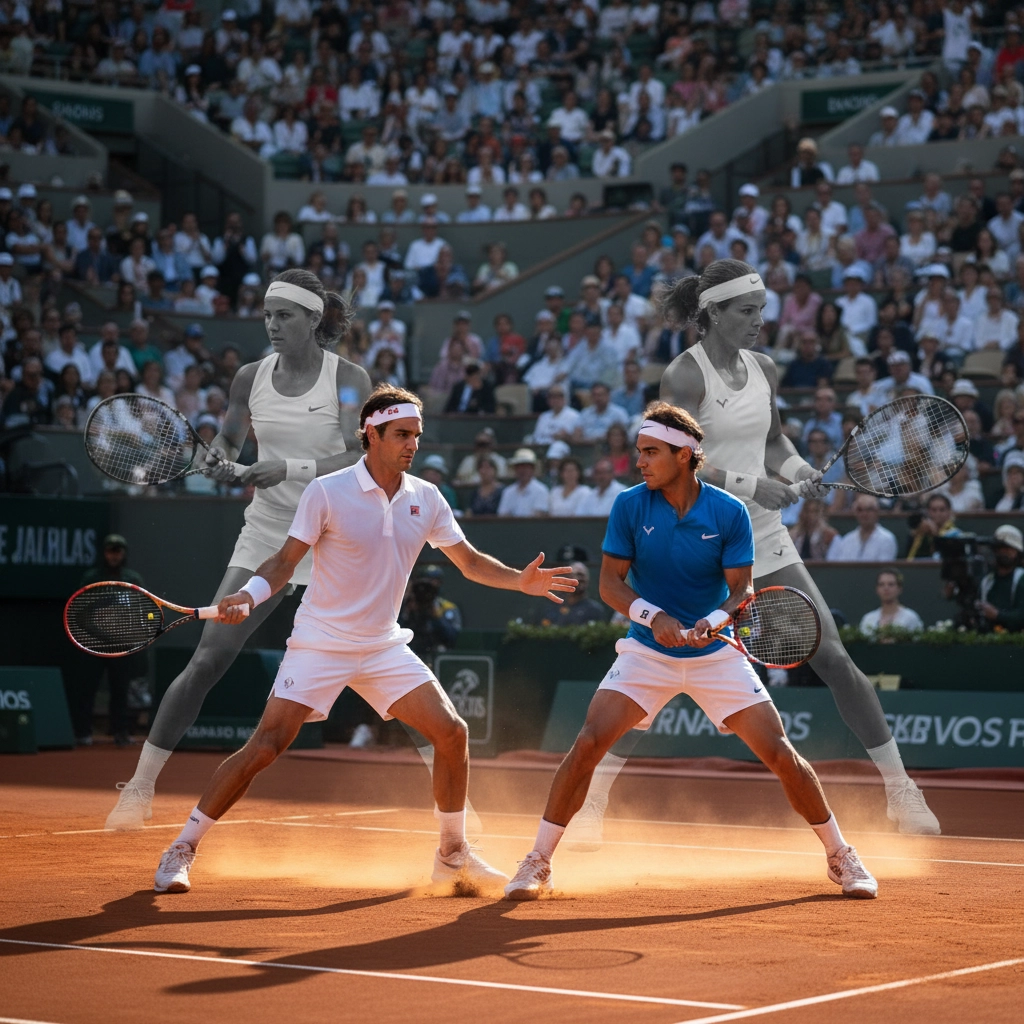
How rivalries shape the drama and legacy of tennis
You already know that individual brilliance matters in tennis, but rivalries are what turn great players into legends. When two players repeatedly meet at the sport’s highest stakes, each match becomes part of a larger narrative you can follow across years, surfaces, and evolving tactics. Rivalries give you a way to compare styles, mental resilience, and adaptation under pressure. They also help define eras: you can point to a handful of head-to-head clashes and trace how the game changed.
As a reader, you’ll find that understanding rivalries helps you appreciate not only the statistics but the context—why a five-set clay-court duel feels different from a straight-set grass final. Rivalries push players to innovate, and they give you memorable moments: comebacks, controversial line calls, tactical masterclasses, and dramatic shifts in momentum that feel like chapters in a sports novel you’re invested in.
Federer vs. Nadal: origins, contrasting styles, and the first meetings
When you think of Federer vs. Nadal, think of a contrast that’s as stylistic as it is personal. Roger Federer introduced a model of effortless, fluid offense—single-handed slices, precise serve placement, and a devastating forehand when he dictated play. Rafael Nadal arrived with relentless intensity: heavy topspin, explosive court coverage, and left‑handed angles that forced opponents to adapt. Those differences are why their rivalry resonated beyond wins and losses; each match tested whether elegance or attrition would prevail.
Early clashes and the first indicators of a classic rivalry
Their initial encounters signaled something special. You saw matches where youthful energy met composed artistry, and where surface advantages immediately became central. On clay, Nadal’s high-bouncing topspin magnified his strengths and challenged Federer’s timing. On faster surfaces, Federer’s timing and variety often allowed him to shorten points and escape Nadal’s grind. Those early meetings were less about rivalry statistics and more about the tactical blueprints each player had to develop.
- Why surface mattered: clay favored consistent heavy hitters; grass and hard courts rewarded offensive variety.
- Psychological dynamics: you could see swings in confidence—winning one big match often dictated the approach in their next encounter.
- Adaptation over time: each player adjusted strokes, strategies, and scheduling to counter the other’s strengths.
Beyond the court, their rivalry carried cultural weight. You noticed how different fanbases, media narratives, and tournament contexts amplified each meeting. For you as a fan or a student of the game, those layers make the Federer–Nadal story richer than a simple head-to-head tally.
Before diving into the specific classic matches and statistical milestones that defined their rivalry, you’ll next examine the most consequential encounters between Federer and Nadal—how particular finals and turning points shifted momentum in their careers and in tennis history.
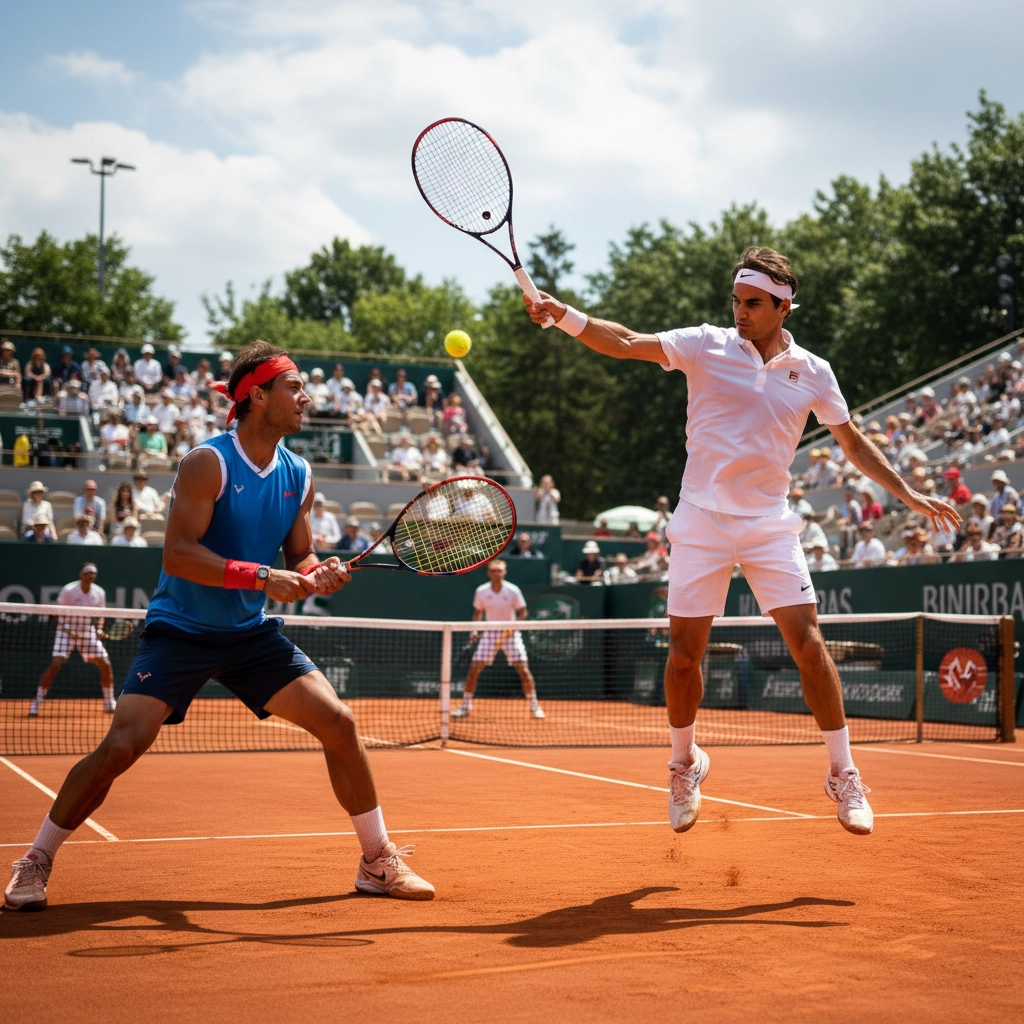
Wimbledon 2008: a single match that crystallized everything
If you want to point to one encounter that defined their rivalry for the wider public, it’s the rain‑delayed showdown on Centre Court in 2008. That match didn’t just produce a winner; it produced a myth. You saw two contrasting philosophies pushed to the absolute limit—Federer’s balletic timing and variety against Nadal’s unrelenting physicality and topspin—and the swings in momentum were seismic. Long rallies turned into tactical battles, short bursts of offense flipped to grinding defense, and every point felt like a small turning point in a much larger story.
For both players, the stakes were more than a trophy. For Federer, it was about defending a streak of Wimbledon supremacy; for Nadal, it was about proving he could beat Federer on the biggest grass stage too. The match’s drama—the rain interruptions, the shifting light, and the five‑set attrition—gave you a perfect microcosm of why their rivalry captured imaginations: skill, heart, and a sense that tennis was being redefined in real time.
Roland Garros clashes: clay courts and a proving ground
On clay, the balance of power shifted decisively. Nadal’s heavy topspin and court coverage turned Roland Garros into his private laboratory, where Federer was forced to chase solutions rather than impose them. Their clashes on clay were less about exploding winners and more about endurance, angle construction, and who could mentally outlast the other across long exchanges.
Those matches mattered beyond the trophy count. They shaped scheduling decisions, practice regimens, and even equipment tweaks. You could watch Federer refine his one‑handed backhand returns and sharpen his short‑point strategies in response, while Nadal experimented with pacing and serve placement to prevent Federer from taking control. The cumulative effect was that clay became the canvas for tactical invention: each meeting taught both players something that would later surface on faster courts too.
The late‑career rematches: evolution, respect, and unexpected chapters
As both careers progressed, injuries, age, and changing priorities altered the tone of their meetings—but not the intensity. Late‑career matches, such as a dramatic Australian Open final that marked Federer’s return to the top, showed you how experience can reframe rivalries. These were encounters where legacy was explicit: wins didn’t just count in rankings, they contributed to the storylines that would define each player’s place in history.
You also saw more measured tactical shifts. Nadal added more variety to shorten points when necessary; Federer relied more on serve placement and selective aggression to conserve energy. Off the court, the rivalry’s narrative matured into mutual respect—each match carried echoes of past battles, but also an appreciation that they’d helped lift one another. For a fan, those later meetings are compelling because they fuse nostalgia with tactical sophistication: two legends still pushing each other to find new answers.
Enduring echoes: what rivalries leave behind
Rivalries like Federer vs. Nadal do more than determine trophies; they shape how the sport is watched, played, and remembered. The tactical experiments, the emotional peaks, and the shared history between competitors create reference points for players and fans alike. Young players study those matches not just for technique but for mindset — how to respond to pressure, how to adapt across surfaces, and how to evolve a career in the shadow of a great opponent. Tournaments and broadcasters, too, learn to value context: certain matchups become must-see events because they carry stories that unfold over years.
As tennis moves forward, new rivalries will rise, but the standards set by legends remain a measuring stick. If you want to explore the raw numbers and match details that fed this particular rivalry, the official ATP head‑to‑head archive is a good place to start: ATP head‑to‑head. Whether you follow the sport for technique, drama, or history, great rivalries ensure that every match can mean more than a result — it can become part of a larger story that lasts long after the final point.
Frequently Asked Questions
Who leads the Federer–Nadal head‑to‑head?
Rafael Nadal leads their overall head‑to‑head record 24–16 across 40 meetings. The margin varies by surface: Nadal was dominant on clay, while Federer found more success on grass; hard‑court matches were often the most contested.
How did different court surfaces shape their matches?
Surface affects ball speed and bounce: Nadal’s heavy topspin and high‑bounce forehand gained extra effectiveness on clay, making rallies longer and favoring his defense and angle creation. Grass and some faster hard courts lowered the bounce and rewarded Federer’s timing, slice, and ability to shorten points with aggressive offense.
Did their rivalry affect tennis beyond their matches?
Yes. Their rivalry influenced coaching strategies, player scheduling, equipment choices, and how tournaments marketed marquee matchups. It also inspired younger players and elevated public interest in tennis, showing how sustained competition can shape an era rather than just a single tournament.