
Davis Cup – what the competition is and why it matters
Davis Cup is the premier international team competition in men’s tennis and a focal point of national pride for tennis fans in Serbia and across the Balkans. This article explains what the Davis Cup is, why it exists, and how recent changes to the format affect players, teams and supporters. Readers will get a clear overview of the competition’s history, the modern structure of ties and finals, basic match terminology, and why following Davis Cup differs from following regular ATP or Grand Slam events.
Origins and purpose: how Davis Cup became a national team event
The Davis Cup began as a challenge between nations at the turn of the 20th century and was created to promote international competition and national representation in tennis. Its original spirit—players competing for their country rather than individual ranking—remains the core purpose: to combine sporting rivalry with national pride and team strategy. Over time the event expanded globally and evolved administratively, balancing tradition with changes intended to modernize the calendar and increase spectator interest.
Why a team competition is different from individual tournaments
Team events introduce selection, captaincy and strategy: a national captain chooses players for singles and doubles rubbers, and match order can be tactical. Unlike an individual tournament where players chase ranking points and prize money, Davis Cup places emphasis on collective result, creating unique pressures and memorable national moments.
Overview of the modern Davis Cup format and calendar basics
The Davis Cup format was reformed in recent years to compress the season and create a finale-style event. The competition now includes national ties played across the year, qualifying rounds, and a season-ending finals tournament that brings together teams that advanced through qualifiers or received direct entry. Because organizers have adjusted formats and schedules, the format can differ slightly from year to year—this guide focuses on the practical structure fans need to follow the event.
Basic structure of a Davis Cup tie and common terminology
Traditionally, a tie between two nations was five rubbers (individual matches): four singles and one doubles, often played over three days. Recent editions shortened many ties so they are decided over best-of-three rubbers (two singles and one doubles) across one or two days. “Rubber” is the term for each match inside a tie; a “tie” is the matchup between two countries.
Useful terms explained briefly:
- Seed – a team placed in the draw based on ranking to avoid meeting other top teams early.
- Wild card – a team granted entry to a stage of the competition without qualifying on ranking or results.
- Qualifying round – matches that determine which teams reach the finals or higher groups.
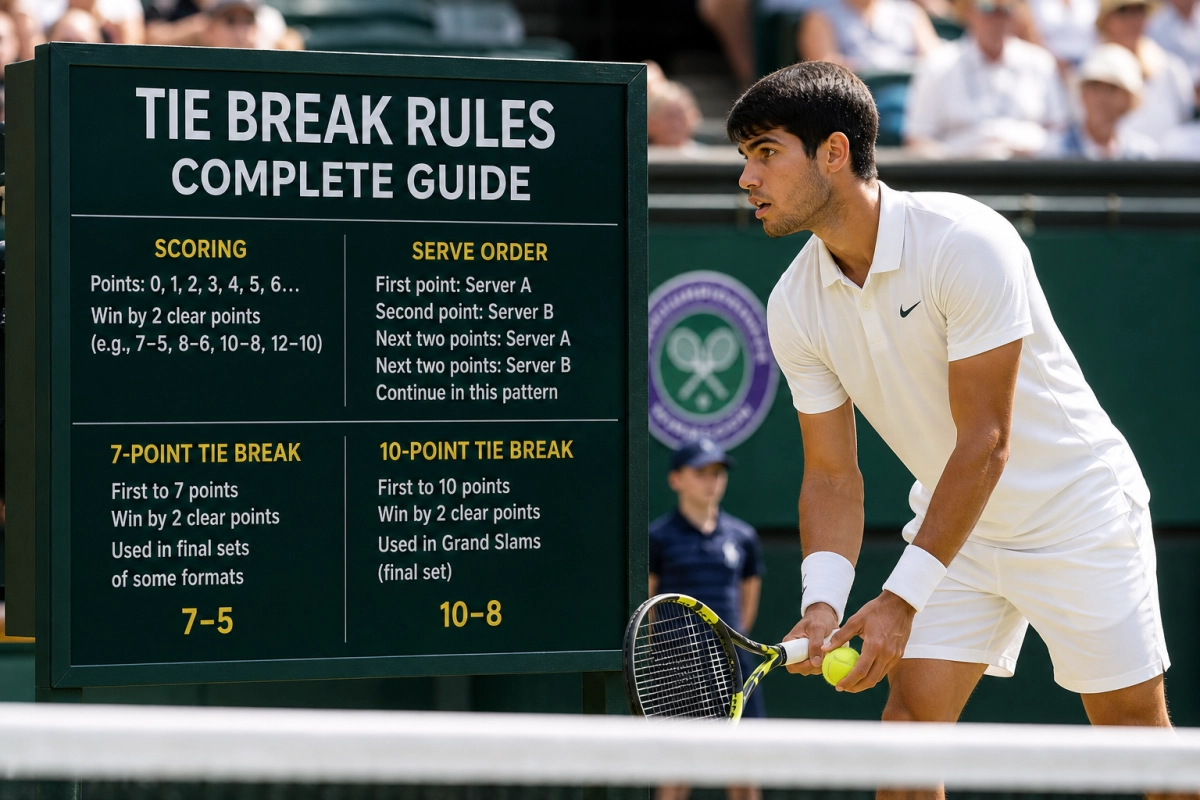
- Tie-break – the game used to decide a set when players reach a 6–6 score in that set; formats can vary by event rules.
Because rules and schedules evolve, fans should check the specific season’s regulations for exact match counts and the calendar. The next section will explain in detail how qualification, the draw and seedings work, and what practical implications those mechanisms have for national teams like Serbia.
How qualification, seedings and the draw work — practical implications for national teams
Modern Davis Cup revolves around a season-long pathway that funnels teams into a finals event. While specific numbers can vary by year, the common pattern is: a set of teams receive direct entry into the season-ending finals (based on previous results, wild cards or host places), and the remaining nations fight through a qualifying round earlier in the year. Below those levels sit World Group I and II (or equivalent tiers), where promotion and relegation determine who gets another shot at qualification the following year.
Seedings are based on the official Davis Cup Nations Ranking, which aggregates recent team results; seeded teams are placed in the draw to avoid early matchups between top nations. The draw itself then determines which countries meet in qualifiers, ties, and the finals’ group/stage layout. For home ties, the host nation usually chooses surface and venue (indoor/outdoor, hard/ clay/grass), which becomes a strategic tool — federations often pick surfaces that neutralize opponent strengths and maximize home-crowd advantage.
For Serbia, these mechanisms mean the federation must plan long-term: secure seed protection when possible, bid to host ties to control conditions and revenue, and balance selecting experienced players with giving youngsters match exposure in lower-tier ties. Because draw luck and surface choice can swing a tie, captains and federations pay close attention to rankings, injury reports and calendar blocks where top players are likely available.
Do Davis Cup results affect ATP/WTA points and player careers?
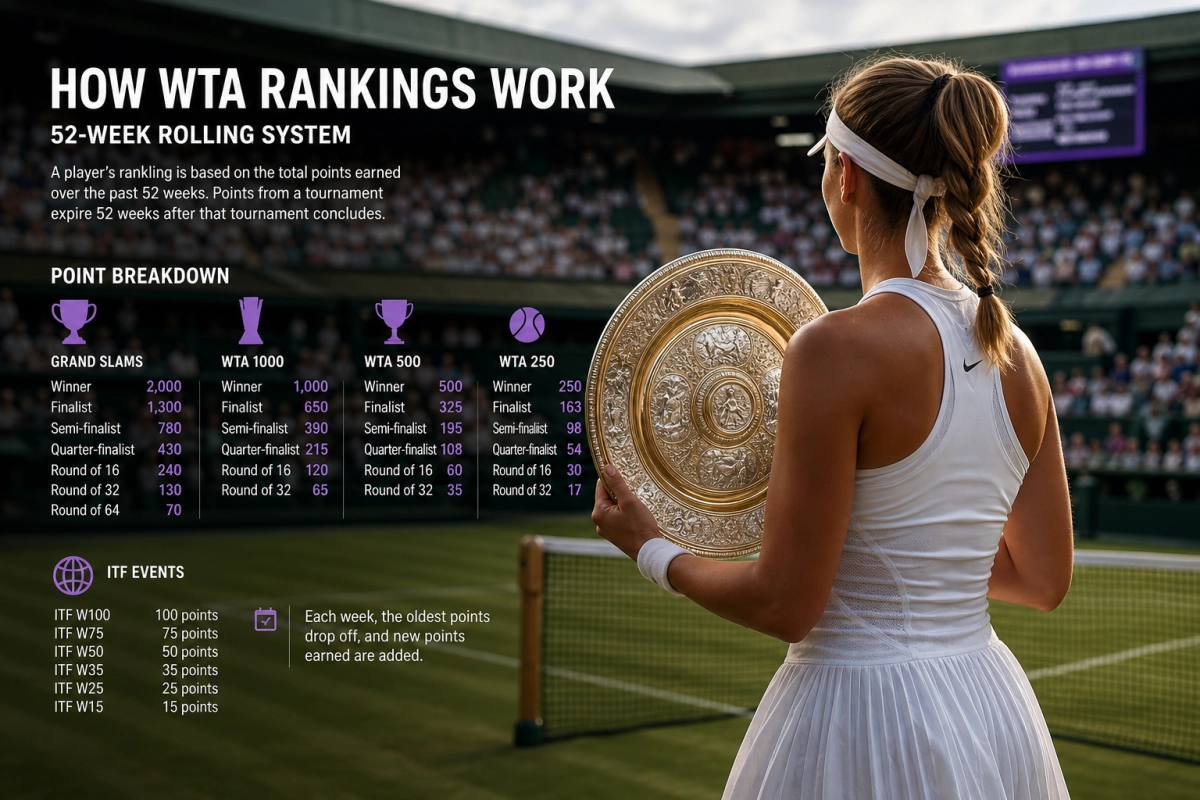
In the modern era the Davis Cup’s direct effect on ATP/WTA ranking points is limited — recent formats and agreements have removed or greatly reduced the ranking points once tied to Davis Cup matches. That means players do not generally play Davis Cup to boost their individual rankings in the way they do at ATP/WTA tournaments.
However, the competition influences careers in meaningful indirect ways:
– Confidence and reputation: strong Davis Cup performances can raise a player’s profile, leading to sponsorships and national recognition.
– Match experience: pressure-filled, team-based matches give younger players exposure to high-stakes environments that individual tournaments may not replicate.
– Scheduling trade-offs: players must weigh national duty against individual calendar priorities; participating can mean additional travel and wear, potentially affecting form in ATP/WTA events.
– Olympic selection and federation support: national performance often factors into Olympic nomination and can influence federation funding, coaching resources and wild-card allocations.
For players from Serbia, Davis Cup can be a career enhancer even without ranking points — delivering visibility at home and opening doors for endorsement deals and public support that sustain longer-term careers.
Financial and representational stakes for Serbia — and how to follow/support the team
Davis Cup ties can generate ticket revenue, sponsorship opportunities and TV rights income for the Serbian Tennis Federation, especially when top players participate. Hosting ties boosts local economies (hotels, venues, hospitality) and increases grassroots interest, but hosting also requires upfront costs and logistics. Success in Davis Cup can translate into greater federation budgets, better training programs and heightened national visibility.
How to follow and support the team:
– Tickets & attending: buy early via the federation website for home ties; arrive early, bring national flags and wear team colors, but respect venue regulations and player concentration.
– Broadcasts & streams: official Davis Cup streams, national broadcasters (check RTS or other public sports channels in Serbia), and pan-European sports platforms (e.g., Eurosport/streaming partners) are the best sources. Use the Davis Cup app and federation social channels for live scores and behind-the-scenes content.
– Online engagement: follow players and the federation on social media for lineup updates; use verified streams and avoid unauthorized feeds.
– Fan etiquette: support loudly but respectfully — chants, banners and coordinated applause lift the team more than disruptive behavior.
Staying informed about schedule shifts, player availability and broadcasting announcements will ensure you don’t miss key ties and can give your best support to the national team.
Looking forward: opportunities and actions
Davis Cup remains a distinctive stage where national identity, strategic team decisions and player development intersect. As the event continues to adapt, the clearest constant is the role fans and federations play in shaping its value: strong home support, smart hosting choices and investment in young talent keep the competition vibrant and meaningful for countries like Serbia.
Practical checklist for fans before a tie
- Confirm the date, time and venue via the Serbian Tennis Federation or the official Davis Cup app; schedules can change.
- Buy tickets early for home ties and check venue rules for permitted flags, banners and bag sizes.
- Plan transport and arrival time—pre-match fan zones and pre-game activities are common at major ties.
- Use official broadcasters or the Davis Cup streaming service to watch if you can’t attend; follow federation and player social accounts for last-minute lineup news.
- Respect match protocol: cheer for your team, avoid disruptions during points, and support players responsibly.
Key actions for federations and players
- Federations: prioritize hosting when feasible, choose surfaces that balance competitiveness with player safety, and leverage ties to grow grassroots participation.
- Captains and coaches: manage player workload across the season and use Davis Cup ties to integrate promising juniors into high-pressure environments.
- Players: weigh national duty against individual schedules, communicate availability early, and view Davis Cup as a platform for visibility and team leadership.
Whatever the format changes that come next, the Davis Cup’s power lies in the moments it creates—upsets, comeback victories and shared national celebrations. For Serbian tennis, staying engaged as fans, administrators and players will ensure those moments keep coming.