Where you’ll sit at Melbourne Park: a quick orientation for spectators
When you plan to attend the Australian Open you’re choosing more than a match — you’re choosing an experience that depends heavily on which court and which seat you buy. Melbourne Park has several show courts and dozens of outer courts, each offering different sightlines, atmosphere and price points. Before you commit to tickets, understand how stadium size, roof position and seat location will shape what you actually see and how comfortable you’ll be for a two- to five-hour session.
Which stadium fits the match-day vibe you want?
You’ll usually target one of three main show courts at Melbourne Park. Each provides a distinct balance of proximity to the action, crowd noise, and viewing advantages:
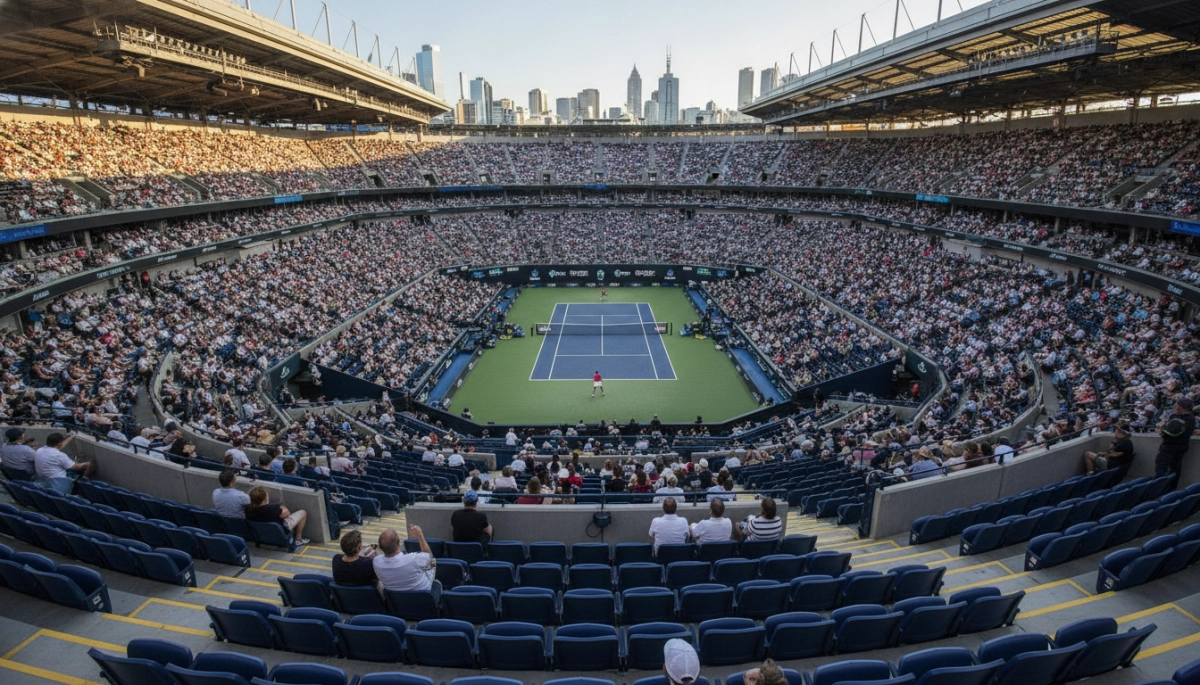
- Rod Laver Arena — the flagship court. Choose this for marquee matches, indoor-like conditions when the roof’s closed, and a compact bowl that still lets you feel close to the players. Lower-bowl seats put you almost at court level; upper-bowl gives a full-court tactical view.
- Margaret Court Arena — smaller and more intimate than Rod Laver. It often hosts high-quality early-round matches and offers great acoustics and sightlines. If you want to hear the players and feel the intensity up close, this is a strong pick.
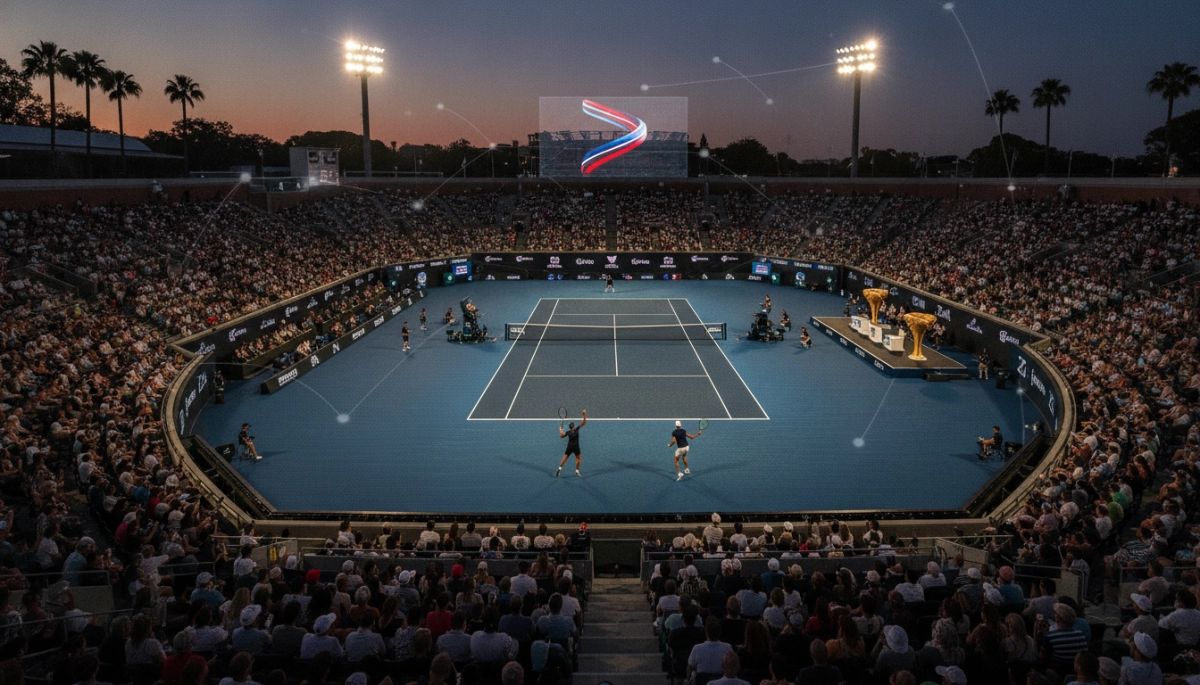
- John Cain Arena — increasingly popular for night sessions and a good middle ground on price and proximity. It has a fan-friendly atmosphere and typically easier access to food and facilities.
Beyond those, outer courts like Show Court 3 and 14 can offer surprisingly good viewing at lower ticket prices if you don’t mind a smaller-scale atmosphere and less prominent match listings.
Decoding seat categories, sightlines and match conditions
When you’re scanning the seating map, focus on three practical elements: sightline, sun/roof exposure, and accessibility. These determine whether you’ll enjoy the match or spend most of it squinting or craning your neck.
- Sightlines: Aim for seats that face the baseline or are slightly offset along the sideline. Baseline-side seats give dramatic views of rallies; sideline-central seats show whole-court patterns and player movement. Avoid extreme corner sections where the net and near sideline can obstruct play.
- Sun and roof: Check session times. Day sessions can leave you facing low sun in the afternoon; upper and eastern sections are more likely to be in shade in the evening. Roof closures eliminate sun issues but change acoustics — the match can feel louder and more enclosed.
- Comfort and access: If you need legroom, look for aisle seats or premium rows. Consider wheelchair and companion seating options if relevant, and factor in entry gate locations to avoid long walks to your block.
With these basics in mind, you’ll be better placed to choose between a close, immersive experience and a strategic, panoramic view — and to decide how much you’re willing to pay for it. In the next section you’ll get block-by-block recommendations for Rod Laver, Margaret Court and John Cain Arena plus exact ticketing tips to score the best available seats.
Recommended seating areas by court: where to aim for the best view
Here are practical, seat-by-seat guidelines for the three main show courts so you can target the areas that match your priorities — proximity, tactical perspective or atmosphere.
- Rod Laver Arena — go low for intensity, high for strategy: If you want to feel the players’ pace and hear the grunt, aim for lower-bowl sideline or baseline rows within the first 10–15 rows. These seats put you close enough to catch facial expressions and serve placement. For a clearer strategic view of patterns and court geometry, pick a central upper-bowl section: you’ll sacrifice intimacy but gain a full-court perspective that’s great for reading tactics and doubles play. Avoid extreme corner seats where the net or posts interrupt rallies.
- Margaret Court Arena — choose up close or front-row sideline: Because this arena is more intimate, mid-to-lower sideline rows give superb proximity without needing to be directly at court level. Front-row sideline sections deliver theatrical closeups and atmosphere; if you’re sensitive to sounds, sit a few rows back to moderate the volume while keeping a solid view. Upper tiers are still good value but remember the roof and acoustics can amplify every noise.
- John Cain Arena — balance and convenience: This is the most versatile option. For a balance of price and view, aim for lower central sideline seats or mid-row behind the baseline. Night sessions here have lively crowds, so if you want atmosphere choose sections close to the student or vocal fan areas; if you prefer a calmer experience, sit on the opposite side or slightly higher up.
- Outer/show courts (3, 14, etc.) — proximity on a budget: First few rows along the sideline on outer courts are often better value than distant upper-bowl seats in show courts: you’re closer to the players and can still get quality viewing for an early-round upset or surprise match. Check the session schedule — outer courts can host top players unexpectedly.
Smart ticketing and day‑of tactics to score the best available seats
Getting a great seat is part timing, part preparation. Use these tactics to improve your chances and avoid common pitfalls.
- Join official membership and presale lists: AO memberships and Tennis Australia mailing lists frequently get first access to tickets and pre-sales. If you plan well in advance, a membership is often the single-best investment for securing desirable seats.
- Monitor official resale and avoid scalpers: Use the tournament’s verified resale platform (Ticketek/official resale) rather than third-party marketplaces. Verified resales are safer, mobile-transferable and often priced more fairly.
- Be ready at launch time: For public sale days, queue online early, have payment and account details pre-saved, and know exactly which session and seating area you want. Flexibility helps — be prepared to take an adjacent block if your first choice sells out.
- Use the app and arrive early on match day: The AO app sometimes offers last-minute releases or upgrades. On the day, early arrival improves entry options, access to food, and the chance to swap with other fans outside the gate if you spot a better seat (always use official channels when possible).
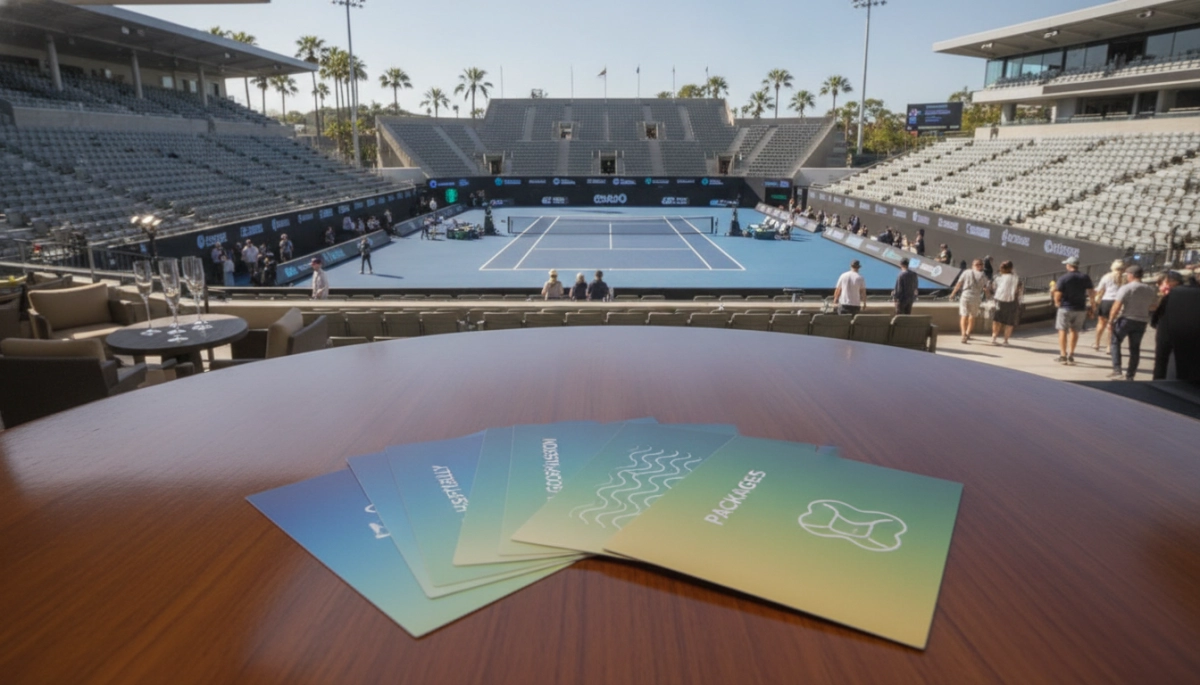
- Consider hospitality or packages for guaranteed premium views: If sightlines and comfort are non-negotiable, hospitality packages guarantee prime locations, reserved dining and less walking — more expensive but the simplest way to secure excellent seats.
Enjoy the match — final notes
Choose seats that match the experience you want, plan for the conditions on the day, and use official channels for tickets and resales. A little preparation — arriving early, checking the app and packing sensibly — usually makes the difference between a good day and a great one. For official ticketing, session schedules and venue rules, check the Australian Open official site.
Last-minute checklist
- Confirm tickets on your phone and have ID ready if required.
- Check the AO app for any last-minute seat releases or schedule changes.
- Mind the bag policy and bring only essentials to speed entry.
- Pack sun protection or ear protection depending on your seat choice.
- Plan transport and gate entry to reduce walking and queuing time.
- Be ready to be flexible — the best seats sometimes come from quick decisions on sale day.