There’s no substitute for preparation when attending Roland Garros: buy official tickets early, pick morning or late sessions to avoid peak sun, and book nearby transport in advance. Pack light, follow bag and security rules (large bags prohibited), and wear shoes suited for clay. Expect lines-arrive early for warmups-and bring sunscreen and a refillable bottle; these steps maximize comfort and the court-side atmosphere.
Understanding the French Open
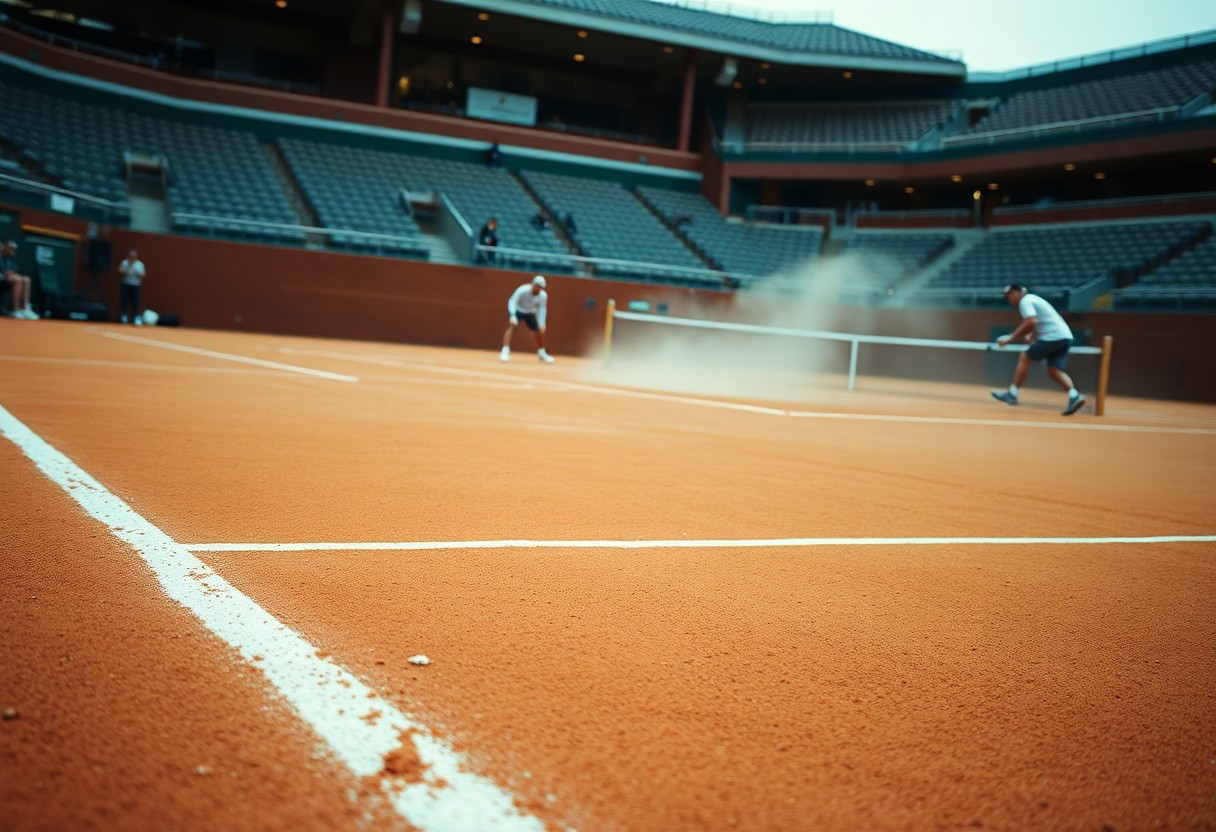
Played over two weeks at Stade Roland Garros in late May-early June, the tournament is the only Grand Slam on clay, demanding sliding, heavy topspin and patience. The main showcourts-Philippe-Chatrier (≈15,000 capacity with a retractable roof added in 2020), Suzanne-Lenglen and Simonne-Mathieu-host thousands daily. Winners earn 2,000 ranking points, while wet clay can create unstable footing in rain, so bring appropriate footwear and time buffers for schedule changes.
History of Roland Garros
Originating as the French Championships in 1891, it opened to international competitors in 1925 and moved to the current Stade Roland Garros in 1928 to host the Davis Cup. Named after aviator Roland Garros, the event entered the Open Era in 1968, when professionals were allowed to compete; that shift transformed player fields, prize money and global prestige, paving the way for modern champions and greater international broadcast reach.
Significance of the Tournament
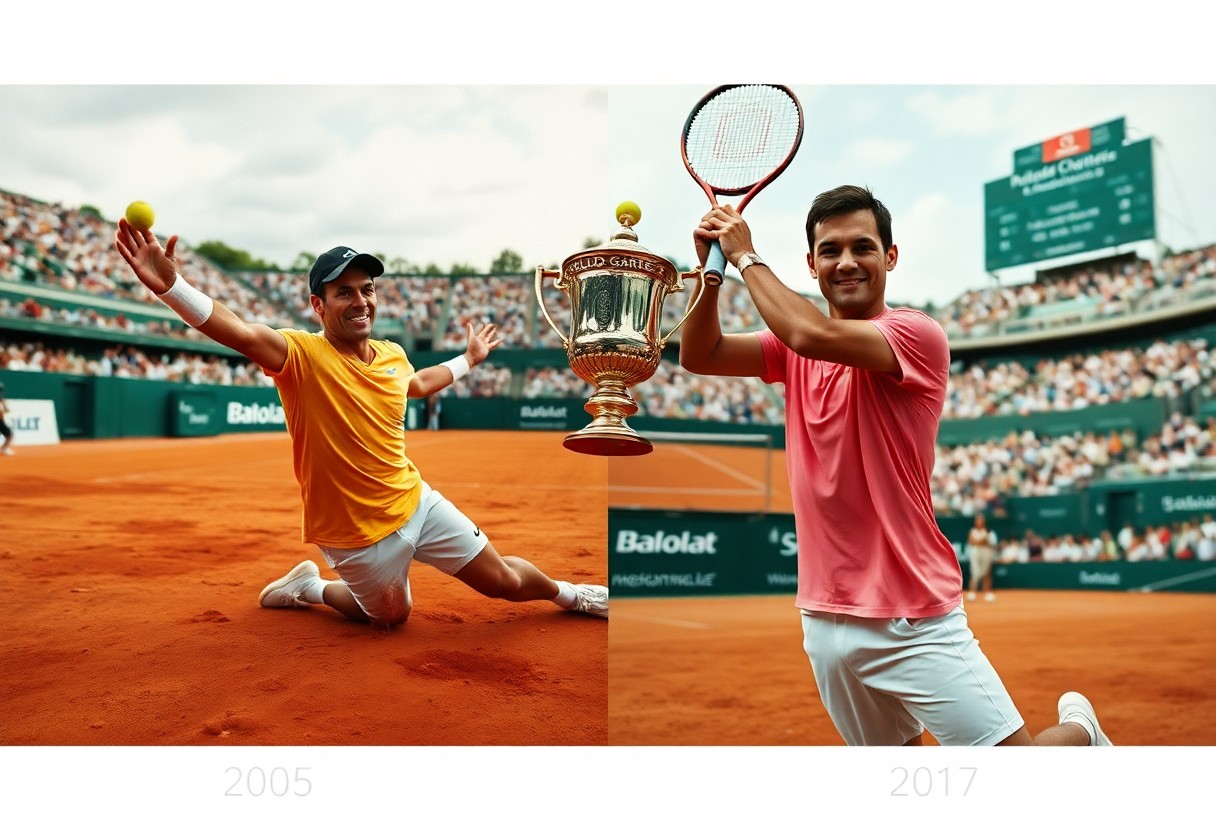
Beyond Grand Slam points, Roland Garros is a technical litmus test: success requires movement, patience and clay-specific tactics like heavy topspin, slice and well-timed drop shots. Rafael Nadal’s 14 titles illustrate how surface mastery defines legacy, while upsets by clay specialists show rankings on faster courts don’t always translate. The tournament’s unique demands shape careers, strategy and season planning for both men’s and women’s tours.
Clay slows play and increases bounce, forcing longer rallies and different equipment choices-players often lower string tension and use specialized clay shoes to grip and slide. Gustavo Kuerten’s three Roland Garros titles and numerous surprise runs by qualifiers prove that clay technique can overturn seedings; coaches routinely build spring schedules around the clay swing to optimize form. Spectators should note the intense physical toll of long matches and the strategic depth that makes victories here especially meaningful.
Planning Your Visit
Plan around the tournament’s two-week rhythm: qualifying in late May followed by a 128-player main draw across 15 days, typically from the last week of May into early June. Book flights and lodging at least three months ahead for best rates, factor in public transport strikes in Paris, and pack for variable weather-expect sunshine and sudden showers; bring a compact umbrella and layers. Allow extra time for security screenings at gates and consider staying near Porte d’Auteuil or metro line 10 for quickest access.
Choosing the Right Dates
Decide between early-round variety and final-week spectacle: Days 1-5 give access to many courts and lower prices, while middle week often features top-16 matchups and night sessions start around 19:00; the women’s final is Saturday and the men’s on Sunday of the last weekend. If you want less crowding, target weekday day sessions; for atmosphere and bigger matches, aim for Wednesday-Sunday in week two. Factor in the warmest temperatures, usually early June.
Booking Your Tickets
Use the FFT official site and authorized sellers for single-session seats, ground passes, or multi-day packs; reserved seats on Philippe-Chatrier and Suzanne Lenglen sell out fastest, especially for night sessions and weekend sessions. Hospitality packages include guaranteed center-court access and dining but cost significantly more. To avoid issues, buy only from official channels and steer clear of unverified resellers or street scalpers.
Expect wide price ranges: general ground passes can start around €30-€50, regular reserved seats €60-€400+, and premium finals or hospitality running into the thousands. FFT uses e-tickets and an official resale platform for transfers; some sessions require ID matching the ticket holder and there are strict no-refund policies for rain-affected matches. Book early, check delivery timelines, and reserve accessible seating if needed.
What to Expect on Arrival
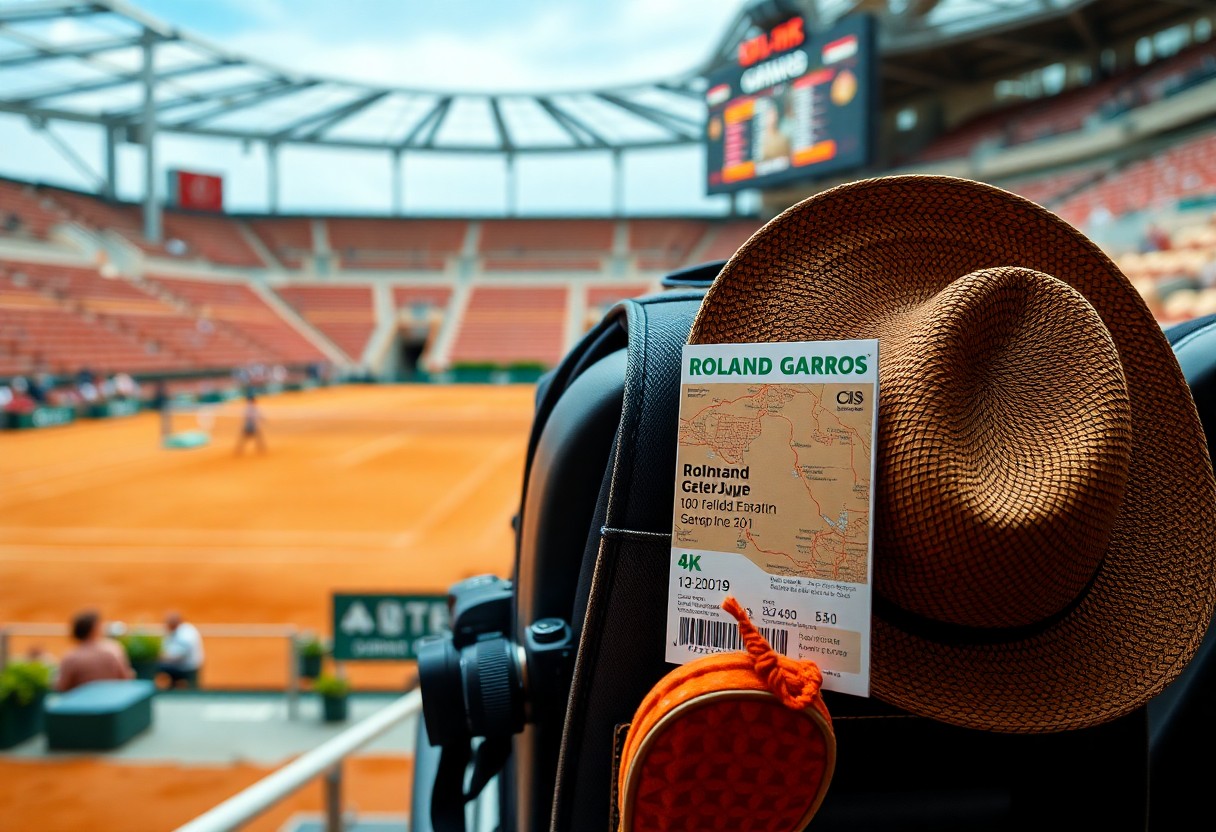
Expect busy gates and visible signage as you enter; security checkpoints and bag checks are standard and can add 20-40 minutes to arrival time. Allow 60-90 minutes before your scheduled match to clear scanners, pick up tickets or will-call, and locate seating. Staff at information kiosks and the Roland‑Garros app show live maps and queue times, which helps when lines are long or when special events create congestion.
Navigating the Venue
Three show courts-Philippe‑Chatrier, Suzanne‑Lenglen and Simonne‑Mathieu-sit at the heart of the complex surrounded by more than 20 outer courts. Follow color-coded signage and overhead screens to move between courts quickly, and use covered concourses to avoid stairs when carrying food or gear. Note that some entry points and narrow passageways become bottlenecks during changeovers, so plan routes that use the main promenades and labeled exits.
Understanding the Schedule
Daily orders of play are posted online, on-site boards and via the Roland‑Garros app and update frequently; matches can be delayed, shortened or moved between courts due to weather or overruns. Men play best‑of‑five sets and women best‑of‑three, so expect men’s matches to average 2-4 hours and women’s 1-2 hours. Arrive with flexibility and time buffers for late finishes or rescheduled slots.
Use the app to check live changes and set alerts for specific players or courts, since sessions include multiple matches and schedules shift fast. Ground passes give access to outer courts and practice sessions, while stadium tickets guarantee a seat on the named court-plan transfers accordingly. If rain or long five‑setters occur, expect delays of 30-120 minutes; pack water, power bank and an evening plan if using single‑session tickets.
Dressing for the Occasion
Weather Considerations
Paris spring swings between cool mornings and warm afternoons-expect roughly 12-22°C and a 20-40% chance of showers during the tournament. Mornings and evening sessions can be chilly, so layer with a lightweight fleece or merino base; afternoons call for sunscreen (SPF 30+) and a cap. When it rains, muddy clay splashes can stain light fabrics and shoes, so avoid pristine whites and pack a compact waterproof shell.
Suitable Attire for Comfort and Style
Choose smart-casual that prioritizes mobility: breathable chinos or jeans, performance polo or linen shirt, and comfortable shoes-trainers with grip handle stadium steps best. For hospitality areas add a lightweight blazer or scarf; many attendees wear summer dresses or khakis. Keep accessories minimal to speed security checks and favor darker tones to hide clay stains.
Example combos: men-performance polo, lightweight chinos, waterproof shell; women-midi dress or skirt with breathable tee and low sneakers (avoid heels over 5 cm). Favor merino, cotton-linen blends or polyester performance fabrics that wick moisture and dry quickly. A thin cardigan or packable jacket covers cool nights, and a compact umbrella complements a taped-seam shell for full rain protection.
Enhancing Your Experience
Small touches elevate a day at Roland Garros: download the official app for live scores and maps, arrive 60-90 minutes before match time to avoid queues, and note Centre Court (Philippe-Chatrier) seats about 15,000, so plan entry and exits. Choose a morning session to see more matches with shorter lines, or spring for hospitality packages from roughly €150 per day for expedited entry and premium seating. Mobile tickets and the app cut wait times.
Spectator Etiquette
Silence during points is expected; applaud at the end of rallies and between games, and keep phones on silent-flash photography is prohibited during play because it distracts players. Avoid crossing aisles mid-rally, refrain from shouting coaching tips, and do not disturb line judges or ball kids. Persistent disruption can lead to ejection, so use set breaks to move or visit facilities to minimize interruptions.
Food and Beverage Options
Kiosks, food trucks and seated restaurants offer sandwiches, salads, pastries and hot dishes-expect mains around €6-€15 and beers €5-€8. Many outlets accept cards and contactless; cashless payments are widely accepted, though some small stalls may prefer card. Peak queues form during set changeovers and between headline matches, so plan purchases during quieter windows or use hospitality areas for faster service.
Vegetarian and gluten‑free choices are widely available, while premium Club dining features prix fixe menus from about €30-€60-reserving ahead is advisable. Fast strategies: order via the tournament app where offered, buy near lesser-used courts (Courts 7-12), or arrive 10-15 minutes before play to beat the rush; expect queue times often longer than a single changeover, especially on weekend afternoons.
Tips for Watching Matches
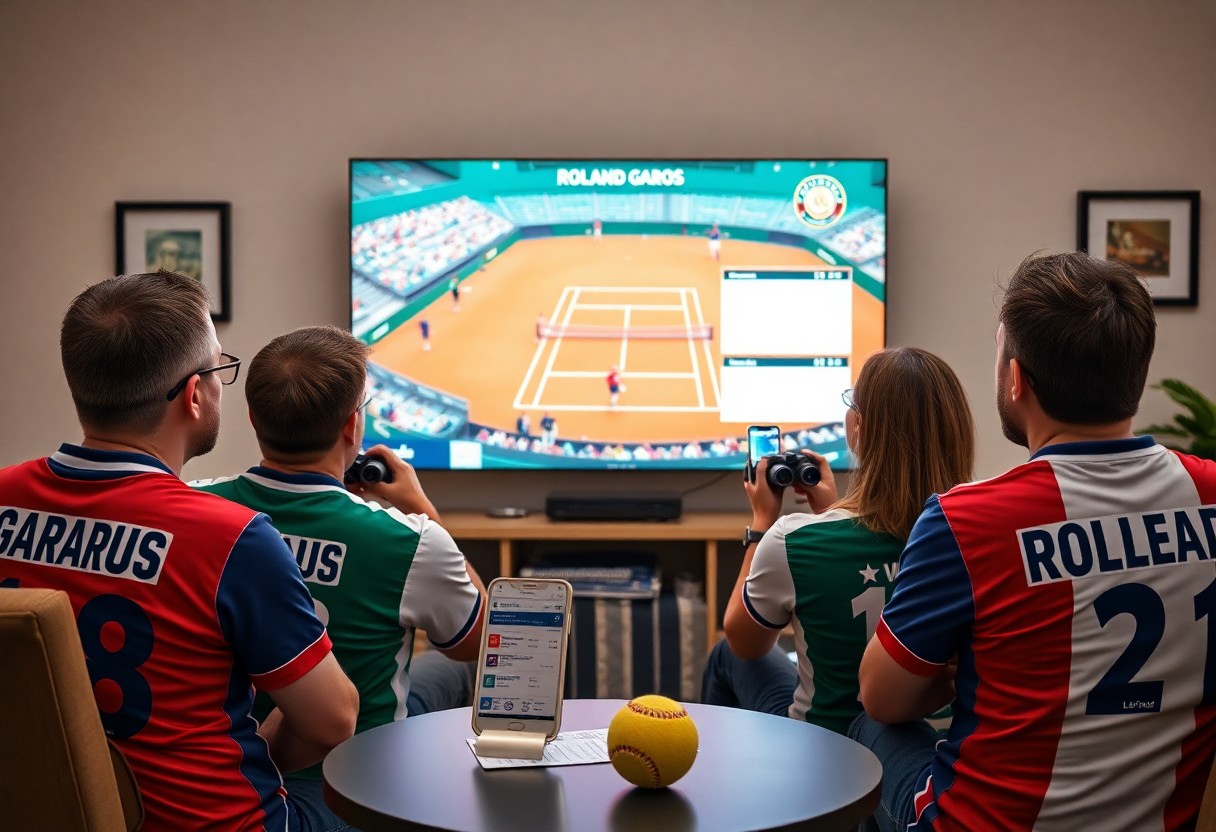
Aim to catch marquee sessions: day sessions typically start around 11:00 and evening sessions near 19:00, with matches on clay commonly lasting 90-240 minutes. Favor Court Philippe-Chatrier for big-match atmosphere and its 15,000-seat capacity and roof; use the official app for live court changes and delays. Pack binoculars, earplugs and a refillable bottle to avoid long concession lines. Thou pick seats by preference-baseline for intensity, higher tiers for tactical sightlines.
- Binoculars for distant courts
- Official app for schedule updates
- Earplugs if you sit near speakers
- No flash photography and maintain silence during points
Best Viewing Areas
Front-row baseline seats on Court Philippe-Chatrier reveal player expressions, while upper tiers provide entire-court geometry; Court Suzanne-Lenglen (≈10,000 seats) balances intimacy and sightlines, and Simonne-Mathieu (~5,000) is ideal for close, quieter matches. Choose courtside for serve/return detail, or a higher ring for patterns and movement-each offers different tactical perspectives during long five-set battles.
Engaging with the Atmosphere
Join the crowd rhythms: French fans applaud loudly after points and cheer big rallies, while strict silence is expected during points; applause and respectful chants dominate changeovers. Expect lines of 10-30 minutes at popular food stalls and lively vendor stalls near the Fan Village-participate early to avoid queues.
Seek out the Fan Village and official autograph zones where player appearances are announced on the app; lines for merchandise can stretch 20-45 minutes</strong) on peak days, so schedule breaks between matches. Local radio booths and pop-up exhibitions offer player insights and graphics that deepen appreciation for clay-court tactics and momentum shifts.
Conclusion
As a reminder, careful planning of tickets, transport, and attire-plus scouting match schedules, prioritizing Philippe-Chatrier and Suzanne-Lenglen, arriving early, using public transit, and respecting stadium rules-ensures efficient movement and maximum viewing. Follow these practical tips to attend Roland Garros confidently and enjoy top-level clay-court tennis like a pro.
FAQ
Q: How do I buy the best tickets and choose the right seats?
A: Buy from the official Roland Garros website or authorized resellers to avoid scams; sign up for ballot sales for finals and popular sessions and monitor resale on the tournament’s approved platforms. Decide between a grounds pass (access to outer courts and practice sessions) and session tickets for Philippe-Chatrier or Suzanne-Lenglen. For viewing: lower rows near the baseline or sideline deliver an intimate, on-court feel; higher tiers give a clearer tactical view of rallies. Check accessibility seating if needed and confirm e-ticket delivery or on-site pickup instructions before travel.
Q: What should I pack and wear for a match day at Roland Garros?
A: Bring a small bag that meets security rules, photo ID, your ticket on phone or printed, a refillable water bottle, sunscreen, a hat, and a lightweight rain jacket because weather can change quickly; the Philippe-Chatrier roof reduces rain delays but outer courts remain exposed. Wear comfortable shoes suitable for walking on clay pathways (expect dust and stains) and layers for variable temperatures-evenings can be cooler. Check the tournament’s prohibited items list (large bags, professional camera equipment without a pass, etc.) and plan for cashless or card payments at concessions.
Q: How do I navigate match day like a pro and follow proper etiquette?
A: Arrive early to see warm-ups, explore outer courts and practice sessions, and pick up a printed schedule or use the official app for court changes and live updates. Stay silent and still during points, switch phones to silent and avoid flash photography; applaud at the end of points and for great rallies. Allow time for food lines and security checks, leave a match only during changeovers to minimize disturbance, and plan public transport for arrival and departure since parking is limited and exits get crowded after sessions.