FrenchOpen season transforms Paris into a living sports theater where spectators witness clay-court artistry and passionate crowds; this guide offers practical, authoritative advice to navigate Roland-Garros, from securing tickets and transport to timing match schedules. Expect electric atmosphere and historic matches, prepare for unpredictable weather and prolonged sun exposure, and prioritize early booking and official accreditation to maximize your live experience.
Types of Experiences at the French Open
From courtside luxury to crowded village days, the French Open at Roland-Garros offers distinct rhythms: more than 20 match courts, night sessions on Court Philippe-Chatrier (~15,000 capacity), and a qualifying week that pares a 128-player draw to 16. Expect sun, sudden rain delays, and the slow, slippery clay bounce that favors endurance and slide technique. Thou can choose focused championship seats or flexible grounds passes to tailor your visit.
- Championship Matches – center-court intensity and premium tickets
- Night Sessions – electric atmosphere under lights
- Grounds Pass – access to multiple courts and player practice
- Practice & Player Walks – close-up glimpses of top players
- Open Qualifiers – emerging talent and great value viewing
| Championship Matches | Best-of-five men’s finals, best-of-three women’s; played on Court Philippe-Chatrier with ~15,000 seats and intense security checks. |
| Night Sessions | High-energy matches under lights, louder crowds, and sometimes extended play past midnight; ideal for dramatic, long rallies. |
| Grounds Pass | Access to outer courts and the fan village; excellent for watching multiple matches and player practice with lower ticket cost. |
| Practice & Player Walks | Opportunities to see top players warm up; arrive early for closest vantage points and potential autograph chances. |
| Open Qualifiers | Three-round events the week before the main draw: 128 players compete for 16 spots, offering intimate, value-driven viewing. |
Championship Matches
Championship Matches concentrate the tournament’s pressure: men play best-of-five sets while women play best-of-three, often on Court Philippe-Chatrier where historic finals and long clay rallies happen. Ticket tiers escalate sharply for these sessions, security is tighter, and timing is strict-arrive early to avoid missing key games. Expect tactical baseline battles, frequent rain interruptions, and a crowd that rewards grit with sustained applause.
Open Qualifiers
Open Qualifiers run the week before the main draw with a 128-player field competing across three rounds for 16 main-draw slots; matches are accessible, often inexpensive, and showcase hungry young pros and seasoned challengers on quiet outer courts. Morning sessions let you watch multiple matches in a day, and the atmosphere is focused and intimate.
For deeper context: qualifiers often include teenage prospects, returning veterans, and players ranked just outside direct entry-those who win three matches join the main draw and can become significant dark horses. The format rewards consistency over consecutive days, clay-court footwork is decisive, and scouts regularly spot future top-50 players here; bring comfortable shoes for sliding, plan for weather delays, and use the chance to study playing styles up close.
Tips for Attending the French Open
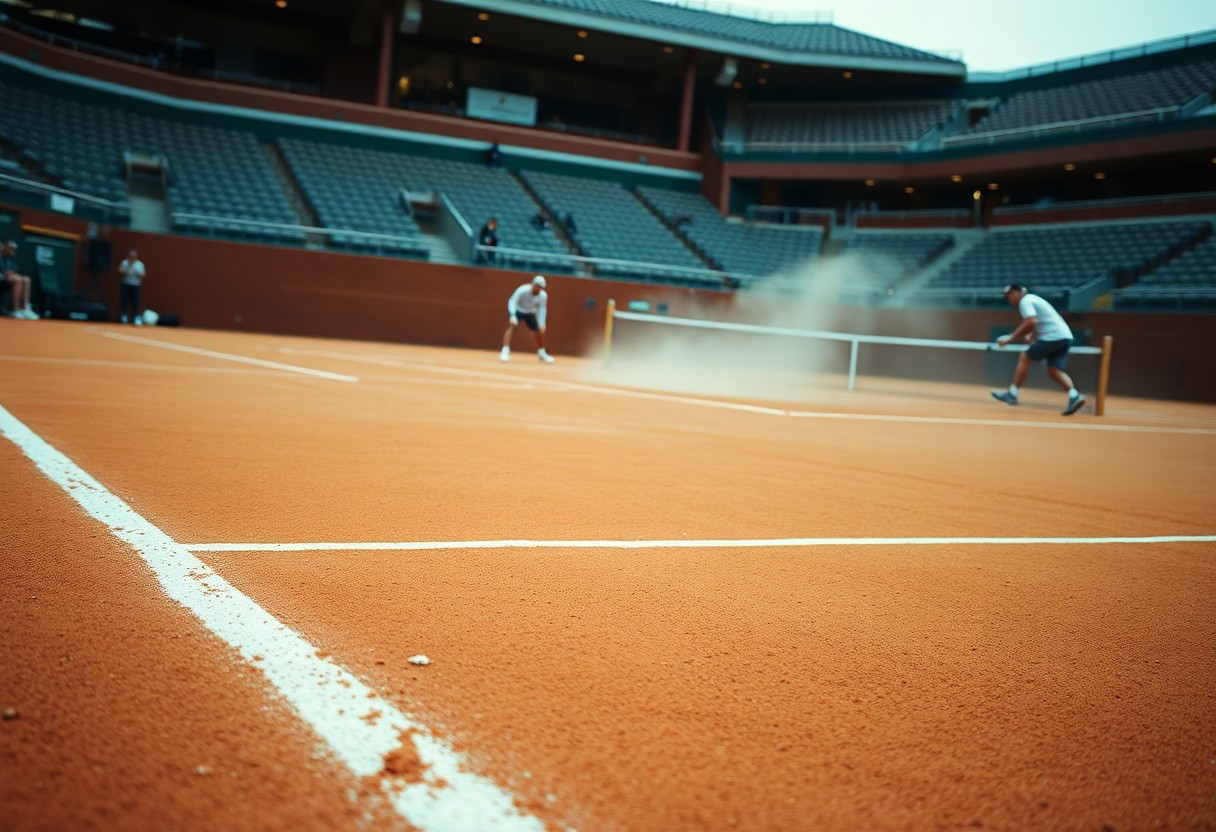
Plan around the two-week French Open in late May-early June: early sessions offer affordable access to outer courts while the final weekend hosts semifinals and the final, with Philippe‑Chatrier seating roughly 15,000. Expect clay-specific quirks – the surface slows play and throws up dust – and potential delays even though Chatrier now has a retractable roof; arrive 60-90 minutes early for security and lines at popular sessions.
- French Open
- Roland‑Garros
- clay courts
- ground pass
- Philippe‑Chatrier
Best Times to Visit
Early rounds (first week) deliver abundant court variety and easier sightlines for about half the price of marquee sessions, while the second week features quarterfinals onward and big crowds; weekends see the highest demand. Typical Paris temperatures run roughly 15-22°C in that window, so expect pleasant days but occasional rain; booking reserved seats for the second weekend is common practice to avoid sold‑out sessions.
What to Pack
Bring a compact daypack with a hat, high‑SPF sunscreen, sunglasses, a lightweight waterproof jacket, comfortable walking shoes, extra socks, and a portable charger; paper or mobile tickets and ID are imperative. Small items like binoculars and a camera are useful for outer courts, and a reusable water bottle helps with long sessions-pack light to speed through security.
Clay transfers easily to footwear and fabrics, so include a small shoe brush or old towel, a zip‑seal bag for wet or dusty items, and microfiber wipes for electronics; sealed earplugs help with loud announcements. Many attendees swap into fresh socks between matches to stay comfortable and avoid blisters, and carrying a compact poncho beats queuing for stalls during sudden showers. Assume that you check Roland‑Garros’ latest bag policy and pack only a compact clear bag, sunscreen SPF 30-50, a rain jacket, spare socks, a power bank, and valid tickets/ID.
Step-by-Step Guide to Purchasing Tickets
| Step | Details |
|---|---|
| 1. Plan dates | Verify session type-early rounds Mon-Thu, semifinals/finals on weekend-and pick preferred days. |
| 2. Register | Create an account on the official Roland‑Garros site (rolandgarros.com / ticket.fft.fr) to access sales and alerts. |
| 3. Choose seat | Pick Court Philippe‑Chatrier, Suzanne‑Lenglen, or a ground pass; seating categories drive price and sightlines. |
| 4. Purchase | Use a card with 3D Secure, complete checkout, then download e‑tickets to your phone or print backups. |
| 5. Alternatives | Consider hospitality packages, authorized resale, or the tournament box office for last‑minute returns. |
Online Purchase Process
Start by registering an account and enabling alerts on the official Roland‑Garros portal; ticket drops are released in batches and often sell out within hours. During checkout use a card with 3D Secure, opt for mobile e‑tickets, and double‑check session dates and gate times. If aiming for Philippe‑Chatrier center‑court, expect higher demand and limited inventory-book early or monitor restocks closely.
Alternative Ticket Sources
Resale marketplaces (for example Viagogo or StubHub), authorized ticket partners, and hospitality packages offer options when primary sales are gone, but sellers vary widely. Expect secondary‑market markups that can reach 2-5× face value; prioritize platforms with verified seller protection and clear transfer mechanisms to avoid invalid entries.
For safer buys, prefer an authorized reseller or the tournament box office, check seller ratings and transferable e‑ticket details, and compare total costs including fees and delivery. Hospitality packages often include seats plus access to lounges and catering, typically priced from several hundred euros upward, while on‑site returns at Porte d’Auteuil can surface last‑minute availability.
Factors to Consider When Planning Your Visit
Plan around match days, budget and transit to maximize your time:
- Tickets – purchase 6-12 weeks ahead for best seats
- Dates – early rounds are cheaper, finals sell out
- Accommodation – prioritize proximity to the 16th arrondissement or Saint‑Germain for shorter commutes
- Transport – expect 20-45 minute trips from central arrondissements
- Safety – be alert for pickpockets in crowded stations
Recognizing the frequency of schedule changes and occasional strikes will help you build flexible bookings.
Accommodation Options
Balance cost and commute: mid‑range hotels typically list at around €120-€250/night during the fortnight while luxury properties often exceed €400/night; short‑term rentals in Boulogne or the 16th arrondissement cut metro time to roughly 15-25 minutes to Roland‑Garros, whereas staying farther (Canal Saint‑Martin, Bastille) can save money but add 25-40 minutes of commuting-book 6-8 weeks ahead to secure sensible cancellation terms.
Transportation Methods
Rely on the Métro, RER and buses for predictable travel: central-to‑venue journeys usually take 20-40 minutes, airport transfers average about 50-70 minutes from CDG and 30-45 minutes from Orly; pick a Navigo weekly pass if staying 6-7 days, otherwise use t+ tickets or carnets, and allow extra time for crowded platforms and security checks.
For last‑mile options, Vélib’ bikes and e‑scooters cut connection times by an estimated 5-15 minutes, taxis or Uber rides across central Paris typically run €15-€35, and prebooked airport transfers remove late‑night uncertainty; be aware taxi waits can exceed 30 minutes on peak match days and crowded trains increase the risk of pickpocketing, so secure bags and build time buffers into your schedule.
Pros and Cons of Attending Live Matches
| Pros | Cons |
|---|---|
| Electric atmosphere in the 15,000-seat Philippe-Chatrier, with crowd energy that TV cannot replicate. | Long queues for entry and concessions; expect 30-90 minute waits during peak sessions. |
| Close-up view of top players and warm-ups, often within a few metres on show courts. | Late-round tickets can be costly-commonly in the €200-€600 range on primary resale markets. |
| Clay-court drama: longer rallies and sliding create uniquely tactical matches you only fully appreciate live. | Weather volatility; even with the main stadium roof, many outer courts remain exposed to rain. |
| Festival-style amenities around the grounds-food stalls, fan zones, and off-court entertainment. | Some seating has limited sightlines and steep angles that reduce visibility for baseline exchanges. |
| Chance encounters with rising stars on Suzanne-Lenglen and practise courts for photo ops. | Strict bag and security policies can slow access and limit what you bring into the venue. |
| Memorable sensory details-clay dust, umpire calls, and the crowd’s crescendos-add to the live narrative. | Schedule changes and rain delays can force long waits or missed matches without flexible tickets. |
| Opportunity to combine Paris sightseeing-tournament runs late May/early June, ideal for spring travel. | Transportation surges before/after sessions; metro and RER trains can be overcrowded for 30-60 minutes. |
| Official resale and digital ticketing make last-minute purchases feasible when planning is tight. | Scalpers and unofficial resales risk counterfeit tickets; use only authorized platforms for transfers. |
Benefits of the Live Experience
Atmosphere peaks in the stands: watching a three-set clay match live often lasts 2-3 hours, offering subtleties-spin, footwork and physical play-that TV edits miss; being courtside lets you see player rituals, tactical coaching between points and reactions in real time, while grounds passes let you discover rising talents on outer courts and enjoy the tournament village’s gastronomy and fan events.
Challenges and Considerations
Attendance demands planning-arrive early to secure good vantage points, expect security checks that slow entry, and prepare for weather interruptions since only the main stadium has a retractable roof; ticket prices escalate sharply for quarters, semis and the final, and resale markets can push costs above face value.
To mitigate these issues, purchase through official Roland-Garros channels or authorized resale, check the tournament app for schedule updates, arrive at least 60-90 minutes before play for popular matches, pack weather-appropriate layers (evenings can drop several degrees), and plan transit alternatives to avoid post-session overcrowding.
Exploring Paris Beyond the Court
Wander from Roland-Garros into neighborhoods that offer history, art, and riverside calm: the city hosts more than 130 museums, sprawling parks like Bois de Boulogne, and dozens of arrondissement-specific markets and bakeries. Stroll along the Seine for a 30-60 minute cruise or spend an afternoon in hidden courtyards of the Marais; transit connections make it easy to sample several districts in a single day while avoiding the busiest spectator hours.
Local Attractions
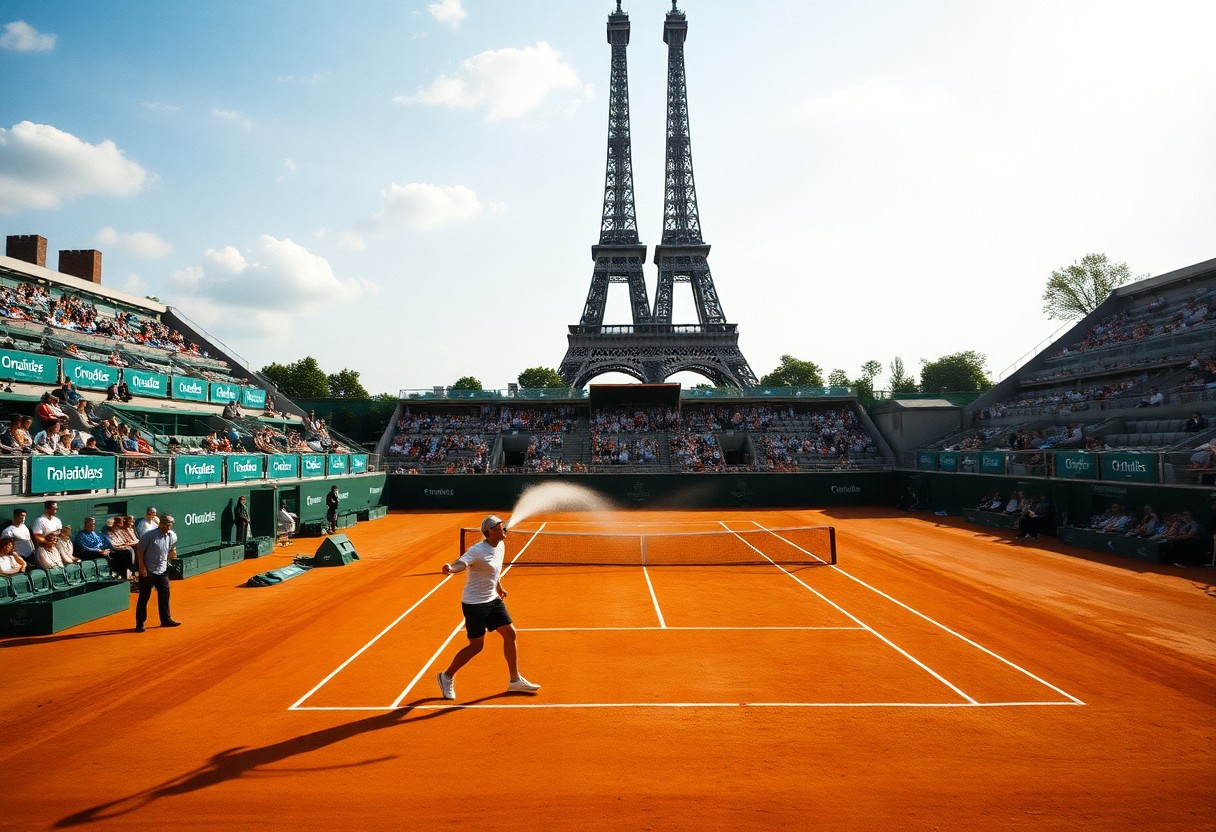
Visit the Eiffel Tower (about 7 million visitors a year), the Louvre-which is closed on Tuesdays-and Musée d’Orsay for Impressionist masterpieces; Sainte-Chapelle’s stained glass rewards a short wait. Head to Montmartre for Sacré‑Cœur views and cobbled streets, or take an evening Seine cruise to see iconic bridges illuminated. Be aware that peak queues can exceed 60-90 minutes at major sites, so buy timed-entry tickets when possible.
Culinary Delights
Sample classic bistro dishes-steak‑frites, coq au vin-and pâtisserie highlights from Pierre Hermé or Ladurée; many quality cafés offer prix‑fixe lunches from roughly €18, while tasting menus at top restaurants often run €80-€150. Explore cheese shops with over 400 varieties, neighborhood markets, and casual wine bars where sommeliers lead tastings. For the busiest spots, advance reservations are recommended to secure prime seating.
Dive deeper by booking a 2-3 hour guided food tour (€45-€90) in the Marais or Latin Quarter that pairs history with tastings: expect 5-8 stops including a boulangerie, cheese shop, charcuterie, and one sit‑down bite. Wine bars commonly offer 3‑glass flights for €15-€35, and many fromageries will cut samples by weight so you can try multiple cheeses for under €10. Late‑night snack options include falafel on rue des Rosiers and open‑faced tartines at 24/7 boulangeries in select arrondissements.
Final Words
To wrap up, experiencing the French Open in Paris offers a singular blend of high-level tennis, clay-court strategy, and Parisian culture; plan logistics and tickets in advance, study match schedules and clay-court tactics to appreciate play, and engage local transit and dining to enrich the visit. Observing traditions, player behavior, and court nuances deepens understanding of this Grand Slam’s distinct character.
FAQ
Q: How can I secure tickets for the French Open and which seats give the best viewing experience?
A: Buy tickets only through the official Roland-Garros website or authorized partners to avoid scams; sign up for pre-sale notifications and the ticket lottery for high-demand sessions. Choose by court and atmosphere: Philippe-Chatrier offers the drama and center-stage matches, Suzanne-Lenglen is intimate with excellent sightlines, and Simonne-Mathieu provides a beautiful, modern setting with an up-close feel. Lower-tier seats close to the baseline give the best court-level perspective for rallies; mid-tier center seats offer a balanced view of players and movement. Ground passes or tickets for the outer courts are the most budget-friendly way to see multiple matches in a day and discover rising players. Consider session length (single-session vs. double-session days) and potential evening matches when picking dates. Check ticket exchange, refund, and ID policies before purchase and bring a mobile or printed ticket as specified.
Q: What should I plan for match days (transport, what to pack, and dealing with schedule changes)?
A: Allow extra travel time and favor public transit, cycling, or ride-hail services because parking is limited and roads get congested. Arrive early to explore the grounds, access practice courts, and avoid long security lines. Pack layered clothing for variable weather, a compact rain jacket or poncho, sunscreen, a hat, and comfortable shoes suitable for walking on clay and in lawns. Carry a portable charger, a small clear bag if required by venue rules, and a water bottle if permitted; check the tournament’s prohibited items list before you go. Expect schedule changes from weather or long matches: follow the official Roland-Garros app or announcements for court assignments and delays, and be flexible with match order-stadium play is prioritized and can shift outer court schedules.
Q: How can I combine attending the French Open with the best of Paris during tennis season?
A: Balance match days with short cultural outings: plan early-morning or late-evening museum visits (book timed-entry tickets for the Louvre or Musée d’Orsay) and save nearby attractions or park strolls for off-match hours. Stay in central neighborhoods or the 16th arrondissement for quick access to the venue and easy transit to central sites. Sample local cafés, bistros, and patisseries between sessions and use match breaks to try nearby gardens or riverside walks. Look for fan events, exhibitions, and pop-up tennis activities around the tournament for extra atmosphere, and consider attending a practice day or early-round session to get closer to players and soak up a relaxed vibe. Book accommodation, restaurants, and any special tours well in advance, as Paris fills up during tournament weeks.