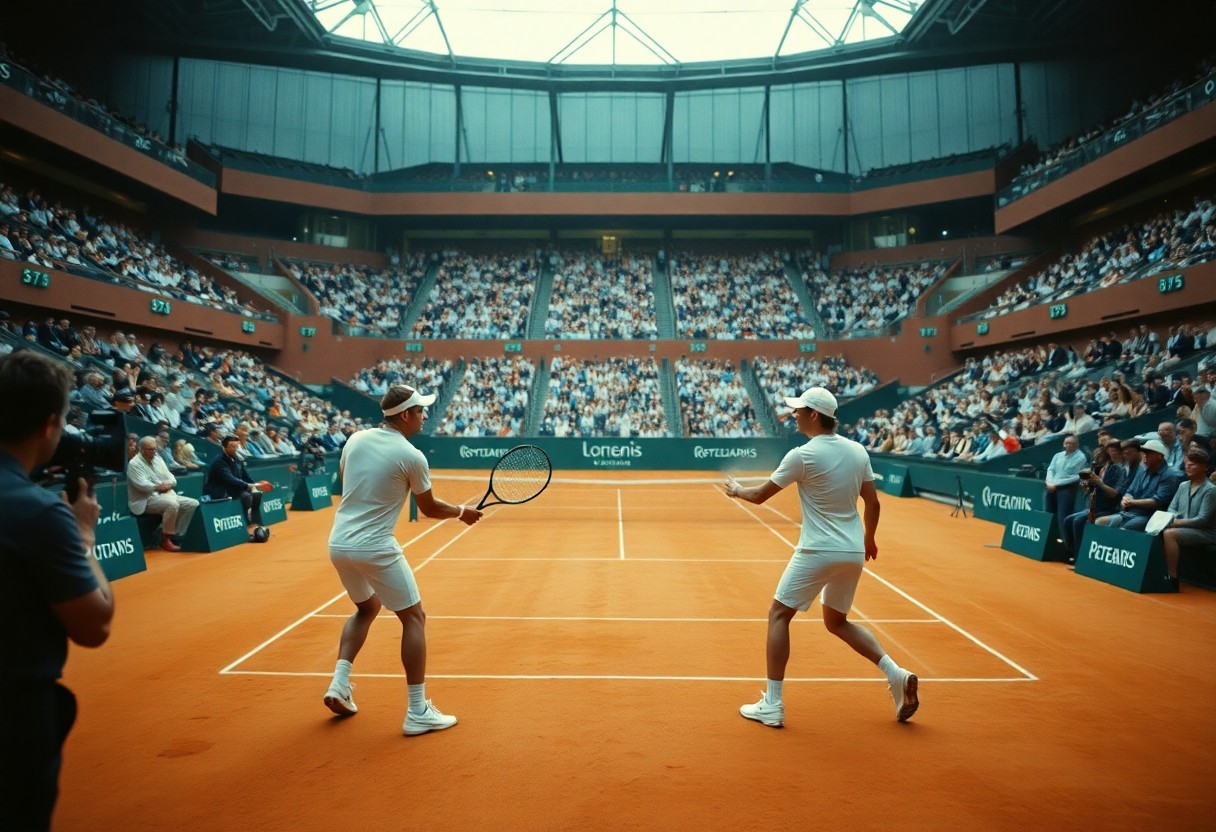
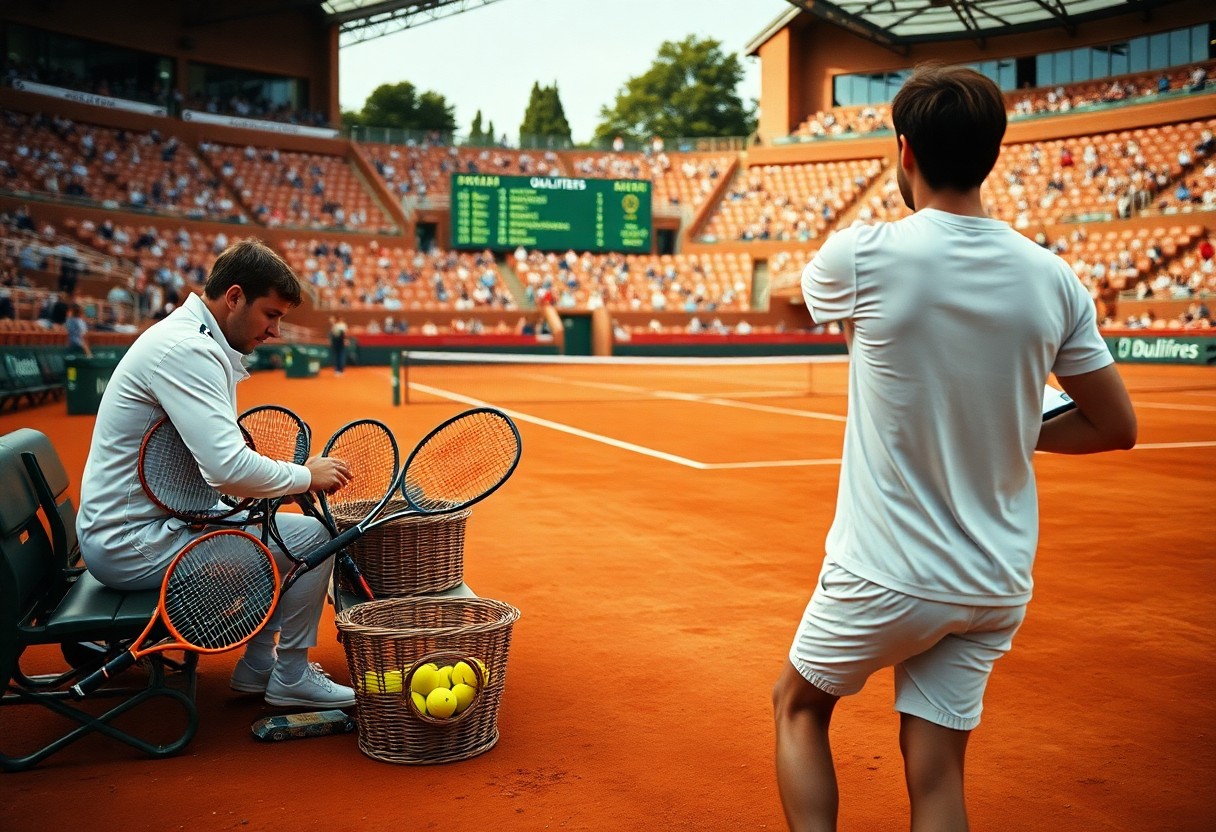
Champions rebuild movement and tactics for Parisian clay, emphasizing sliding technique, endurance and shot tolerance; they practice heavy topspin rallies, adapt footwork for slippery clay and manage extended recovery and nutrition. Preparation blends physical conditioning, tactical drills, match‑simulation practice and mental resilience, while qualifiers gain an edge from relentless match play that tests fitness and strategy under pressure.
Types of Players Preparing for the French Open
| Qualifiers | 128 draw fighting for 16 main-draw spots, emphasis on match toughness and quick recovery after three qualifying rounds. |
| Wildcards / Young Pros | Often local talents using clay tournaments and practice sets to gain experience; focus on point construction and mental resilience. |
| Clay-court Specialists | Prioritize heavy topspin drills, sliding mechanics, and extended rallies; typically peak in April-May at events like Monte Carlo and Barcelona. |
| All-court Top 20 | Balance conditioning with tactical adaptation, usually enter 1-3 lead-up tournaments (Madrid, Rome) and use specific serve-return sessions. |
| Established Champions | Fine-tune load management, recovery protocols, and match-simulation; examples include tailored weeks with short, intense rallying and on-court strategy work. |
- Qualifiers
- Established Champions
- Clay-court Specialists
- Match-simulation
- Recovery protocols
Qualifiers
Qualifiers face a brutal route: 128 entrants contest three rounds for 16 main-draw spots, often playing consecutive days and travelling between events. Training centers on high-volume conditioning, point-specific drills that replicate long rallies, and rapid recovery-ice baths, compression, and shortened practice lengths. Examples show qualifiers who survived three matches then pushed seeded opponents into long battles, so mastering back-to-back performance is a practical advantage.
Established Champions
Established champions refine marginal gains: managed court time, physiotherapy, and simulated pressure points rather than heavy volume. Many top players play 1-3 clay tune-ups and schedule two hard practice days plus an active recovery day, preserving freshness for deep runs; Rafael Nadal’s emphasis on controlled intensity exemplifies this approach.
Champions also deploy data-driven tactics-opponent scouting, exact spin and depth targets, and recovery windows measured in hours not days-so they arrive at Roland-Garros with precision in both plan and execution. Assume that each profile demands a tailored mix of volume, intensity, and recovery.
Essential Tips for Preparation
Structure a 6-8 week block blending on-court clay practice, strength work and recovery: aim for 4-6 court sessions weekly, 2 strength sessions and daily mobility; emphasize heavy top-spin, slide mechanics and point-construction drills to simulate match stress, and track load with RPE or GPS. Integrate simulated tie-breaks and nutrition strategies focused on sodium and carbohydrate timing to sustain long matches while mitigating the risk of overuse injuries. After final taper, hold two full-speed practice matches on clay before the main draw starts.
- Surface-specific drills – slide, top-spin feeds, long rallies
- Match simulation – tie-breaks, serve-under-pressure
- Periodized strength – eccentric emphasis, 2 gym sessions/week
- Nutrition & hydration – carb timing, electrolyte strategy
Physical Training Regimens
Use a 6-week microcycle: schedule 3-4 clay sessions weekly concentrating on sliding, high-topspin patterns and endurance rallies, add two strength sessions emphasizing compound lifts and eccentric hamstring work, plus interval conditioning (4×4 minutes at threshold). Incorporate plyometrics (3×8 bounds) to improve first-step explosiveness and prescribe 48-72 hours between high-load sessions to lower hamstring strain risk; monitor with session RPE and limit weekly load increases to ~10%.
Mental Conditioning Strategies
Adopt a compact pre-match routine: 10 minutes of specific visualization (ball trajectory, clay bounce), 5-10 minutes of paced breathing and a single focus cue. Schedule weekly pressure drills-simulated tie-breaks, serving fatigued-and work with a sports psychologist 1-2 times/week to refine cue words and implementation intentions; track confidence and focus scores after each practice and match to quantify progress.
Deepen mental work with implementation intentions (e.g., “If I double-fault at 0-15, then three deep breaths and a positive cue”), rehearse 30-40 match scenarios in imagery for 10-15 minutes/day including sensory detail, and use HRV or biofeedback sessions twice weekly to measure autonomic recovery and practice down-regulation. Translate mental strategies into metrics-first-serve % targets, unforced error limits-to make psychological gains actionable and measurable.
Step-by-Step Training Routines
| Phase | Focus & Methods |
|---|---|
| 8-6 weeks out | Build aerobic base and strength: 30-45 min tempo runs 2×/wk, gym 3×/wk (3×6-8 reps compound lifts), plus 90‑min on‑court footwork and heavy‑topspin drills to raise endurance and ball tolerance. |
| 5-3 weeks out | Elevate intensity with match simulation: 2-3 full practice matches, interval sprints (10×30m), plyometrics 2×/wk, and targeted serve/return patterns to sharpen tactical responses under fatigue. |
| 2 weeks out | Taper volume by ~30-40% while keeping intensity; short high‑quality sessions, mobility, physiotherapy, ice baths and sleep prioritization to reduce load and lower risk of overuse injuries. |
Pre-Tournament Fitness Plans
Six- to eight-week mesocycles combine strength, endurance and power: players typically run 2 tempo sessions/week, complete 3 resistance sessions emphasizing hip and posterior chain strength (3×6-8 reps), plus 2 plyometric days to raise explosive first‑step speed; monitoring weekly load with GPS or RPE helps limit spikes that increase injury risk while boosting match durability.
On-Court Practice Sessions
Practice blocks run 75-120 minutes focusing on rally tolerance, serve/return patterns and slide mechanics: common drills include 20‑minute crosscourt topspin sequences, 30 serve‑plus‑one series, and simulated 6-8 point pressure games to condition decision‑making under fatigue, with one full 3‑set simulation per week to replicate qualifier match demands.
Drill specifics matter: alternate pattern play (4×4 rally to a retention target), target‑based serving (30 serves to the T then 30 wide), and defensive transition drills (10 reps from deep to net) build situation awareness; weekly schedule often looks like Mon/Thu intensity, Tue/Fri tactical, Wed recovery, weekend full match, ensuring high stimulus without consecutive maximal days to protect the player and optimize performance gains.
Key Factors Influencing Success
Success hinges on specific adaptations: superior clay movement, heavy topspin and the stamina to endure three qualifying rounds plus best-of-five matches in the main draw. Teams program sliding drills, long cross-court point construction and targeted recovery-contrast baths and compression-to sustain performance; tactical scouting highlights opponent patterns and surface tendencies, as shown by players who exploit high-bounce rallies to dominate baseline exchanges. Knowing how to sequence training, equipment and recovery makes the difference between a qualifier and a deep-run contender.
- Clay-court movement
- Topspin adaptation
- Endurance & recovery
- Weather management
- Mental resilience
Playing Surface Adaptation
On clay the ball slows and kicks higher, so coaching shifts toward sliding mechanics, low-to-high strokes and point construction off the backhand; Nadal’s 13 Roland Garros titles illustrate mastery of those traits. Training blocks often devote 60-80% of on-court time to movement and extended-rally drills, while equipment choices-softer-soled shoes, tackier outsoles and spin-friendly string setups-are adjusted to maximize grip and margin of error.
Weather Conditions
Parisian microclimates change court speed: cool, humid mornings and post-rain windows make courts heavier and slower, while warm, dry afternoons produce higher pace and lower bounce; match timing and recovery plans must flex accordingly. Teams track forecasts closely to modify practice intensity and tactical plans when rain or temperature swings are likely.
Preparation often means arriving 10-14 days early to train at varying times, with physios layering hydration and anti-inflammatory strategies to offset stiffness. Coaches commonly tweak string tension by about 2-4 pounds and select footwear and balls to suit humidity; operationally, rain-related schedule compression forces compressed warm-ups and tighter rotation of medical and conditioning resources.
Pros and Cons of Different Preparation Techniques
Pros and Cons
| Pros | Cons |
|---|---|
| High-intensity intervals boost VO2max and match fitness quickly (6×3‑min rally sets common). | Raises injury risk and fatigue; overuse can cause tendon overload and stress fractures. |
| Clay-specific drills improve sliding, point construction, and topspin control (reps of 20-30 points). | Limits adaptability to faster surfaces and can amplify lower‑body wear if overdone. |
| Match simulations recreate pressure, with tie-break practice and best‑of‑three scenarios. | Demands recovery; poor periodization leads to stale training the week before the event. |
| Strength & conditioning (2-3 sessions/week) builds durability and serve power. | Excess load harms on‑court freshness; heavy lifts should be tapered 7-10 days pre‑tournament. |
| Mental training (visualization, routines) improves clutch performance and focus under noise. | Hard to quantify; ineffective if not integrated with physical practice. |
| Recovery tools (sleep, ice baths, compression) accelerate tissue repair and reduce DOMS. | Overreliance can mask underlying load issues; improper use may blunt adaptation. |
High-Intensity Training
Players schedule 2-4 high‑intensity court sessions weekly – examples include 6×3‑minute rally intervals with 2‑minute rests to mimic clay rallies – to raise anaerobic threshold and shot tolerance; coaching teams monitor session‑RPE and heart rate, but excessive volume increases risk of muscle strains and tendonitis, so intensity is paired with targeted strength work and strict recovery windows.
Recovery and Rest
Top players prioritize 8-9 hours sleep, 20-30 minute post‑training naps, and use 10‑minute cold water immersion (10-15°C) plus compression to reduce inflammation; teams often track HRV and soreness scores, and will schedule a 48-72 hour reduction before the first match to preserve freshness while maintaining sharpness.
Medical and performance staff periodize recovery: volume drops by 30-50% in the 7-10 day taper while intensity keeps neural readiness, GPS and session‑RPE guide adjustments, and modalities like contrast baths, massage and targeted cryotherapy are used selectively; case studies show players who maintain sleep ≥8 hours and use objective load monitoring halve noncontact injury rates compared with unmanaged peers, so integrating data with manual therapies is standard practice.
Common Mistakes to Avoid
Overtraining
Pushing volume without recovery is a fast route to performance decline at Roland Garros. Qualifiers often play three matches in three days, then add intense on-court drills; combining that with extra gym sessions increases cumulative load and eccentric stress on the lower limbs. Players who do this face higher injury and illness risk, reduced serve speed and delayed reaction time. Periodizing intensity with planned rest days and light technical sessions prevents overuse and preserves peak form.
Neglecting Nutrition
Skipping proper fueling derails recovery and match output on clay. Extended matches often exceed two hours, causing glycogen depletion and sweat losses of about 0.5-2 L/hour; failing to replace carbs (aim 30-60 g/hour during play) and fluids with electrolytes reduces repeated-sprint ability and concentration. Strategic intake-carb-rich snacks, electrolyte drinks and scheduled sipping-sustains intensity across long rallies and back-to-back matches.
Plan pre-match fueling with 1-4 g/kg carbs in the 1-4 hours before play, and prioritize rapid recovery immediately after matches: 1.0-1.2 g/kg carbs plus 20-40 g protein within 30 minutes accelerates glycogen rebuild and muscle repair. Practical examples: a 75 kg player needs ~75-90 g carbs post-match and a 250-300 kcal protein-carb shake; small, frequent refueling between matches can be decisive for qualifiers.
Final Words
Considering all points, preparation for the French Open blends physical conditioning, clay-court technique, tactical planning, and mental resilience developed from qualifiers to champions; consistent practice, periodized fitness, match simulation on clay, and strategic recovery optimize performance, while coaches and support teams refine game plans to peak at Roland-Garros, demonstrating that methodical, surface-specific preparation transforms hopeful qualifiers into tournament winners.
FAQ
Q: How do players preparing for the French Open alter their physical training to handle clay-court demands?
A: Preparation emphasizes sliding technique, low-center-of-gravity balance, and aerobic endurance to sustain long rallies. On-court drills focus on repeated lateral slides into striking position, change-of-direction sprints, and recovery steps to simulate point-to-point movement. Strength work targets the posterior chain and single-leg stability for explosive starts and controlled slides; mobility sessions improve hip and ankle suppleness for deeper, lower stances. Conditioning blends interval aerobic sessions (to handle multi-hour matches) with high-intensity interval training (to replicate repeated point intensity). Practice blocks include extended hitting sessions on clay to adapt timing to the higher bounce and heavier spin, plus serve-and-return routines emphasizing heavier kicks and placement rather than pure pace.
Q: What tactical and mental adjustments do qualifiers make to compete successfully at Roland Garros?
A: Tactically, players prioritize constructing points, using topspin and angles to open the court rather than relying on outright winners; they incorporate more depth, heavy kick serves, slice to change rhythm, and well-timed drop shots to disrupt opponents used to baseline exchanges. Mentally, qualifiers cultivate patience, resilience, and a point-by-point focus to handle momentum swings and long sets. Match-simulation practice includes playing out tough, grinding scenarios and rehearsing slow starts to avoid panic early in matches. Scouting reports concentrate on opponents’ clay tendencies-preferred patterns, movement weaknesses, and where to extract short balls. Visualization and breathing routines are used to manage tension in pivotal games and tiebreaks, while confidence is built by treating qualifying wins as momentum rather than fatigue drivers.
Q: How do players transition from the qualifying rounds into the main draw in terms of recovery, scheduling, and support?
A: The transition centers on recovery protocols, measured practice load, and logistical planning. Recovery includes immediate post-match protocols (active cooldown, compression, contrast baths or ice, targeted physiotherapy and soft-tissue work), nutrition for glycogen repletion and inflammation control, and prioritizing sleep. Scheduling balances short, sharp on-court sessions to maintain feel for clay with rest periods to avoid overloading after consecutive qualifying matches. Teams plan practice times to acclimate to main-draw courts and balls, while coaches and physios adjust treatment plans based on match wear. Players also manage media and administrative duties to protect energy, use scouting time to prepare for next opponents, and adopt a one-match-at-a-time mindset to convert qualifying momentum into deeper runs without burning out.