Over its storied history, the French Open has uniquely tested champions on red clay, producing marathon rallies that reward topspin, patience, and tactical footwork; its unpredictable weather and heavy courts can turn matches and raise injury risk, while the tournament’s legendary champions and record-setting runs define clay-court greatness and make Roland-Garros important for understanding modern tennis.
Types of Courts
| Clay | Slow surface, high bounce; Roland‑Garros red clay favors topspin and long rallies |
| Hard | Medium‑fast, consistent bounce; speed varies by acrylic/topcoat and cushioning |
| Grass | Fast, low bounce; Wimbledon example-favors serve-and-volley and slice shots |
| Carpet | Very fast, largely removed from the pro tour; used indoors in past decades |
| Indoor/Synthetic | Controlled conditions with variable speed; common for year‑round training and exhibitions |
- Clay Courts
- Hard Courts
- Grass Courts
- Carpet
- Indoor/Synthetic
Clay Courts
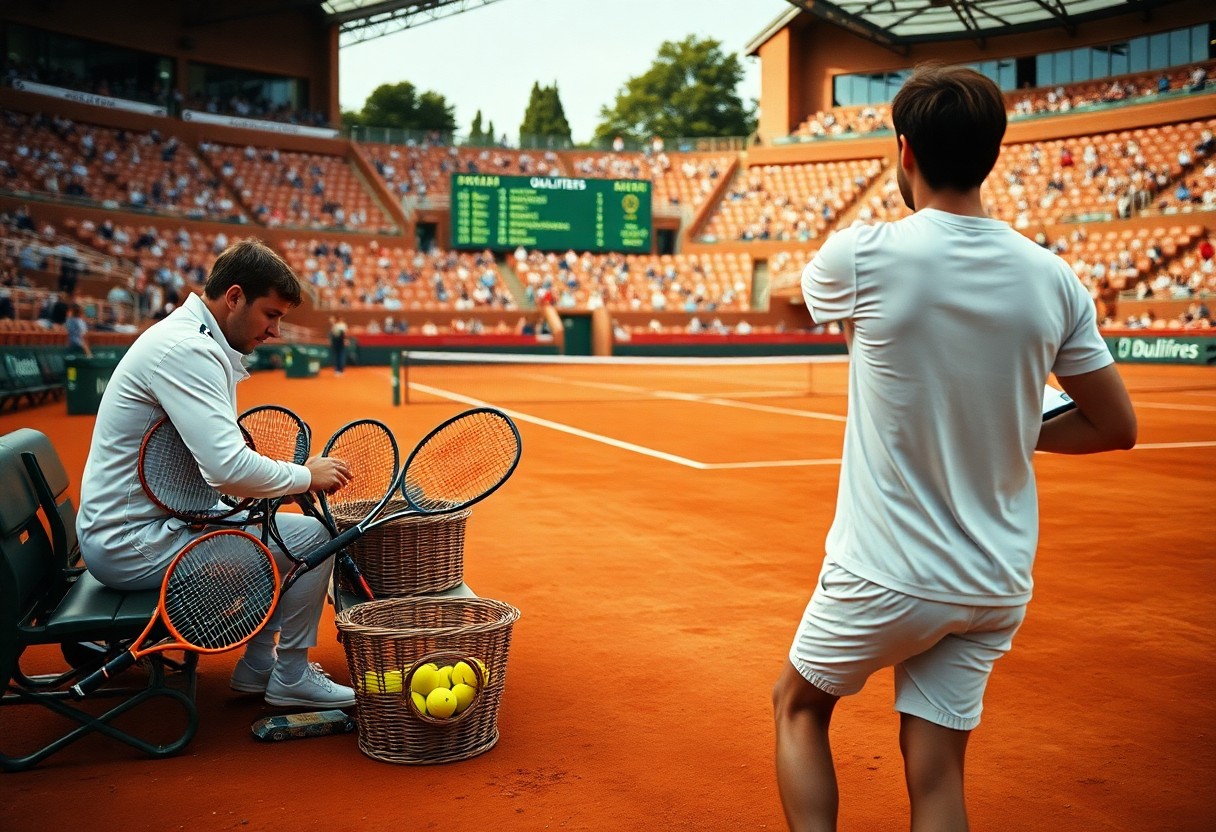
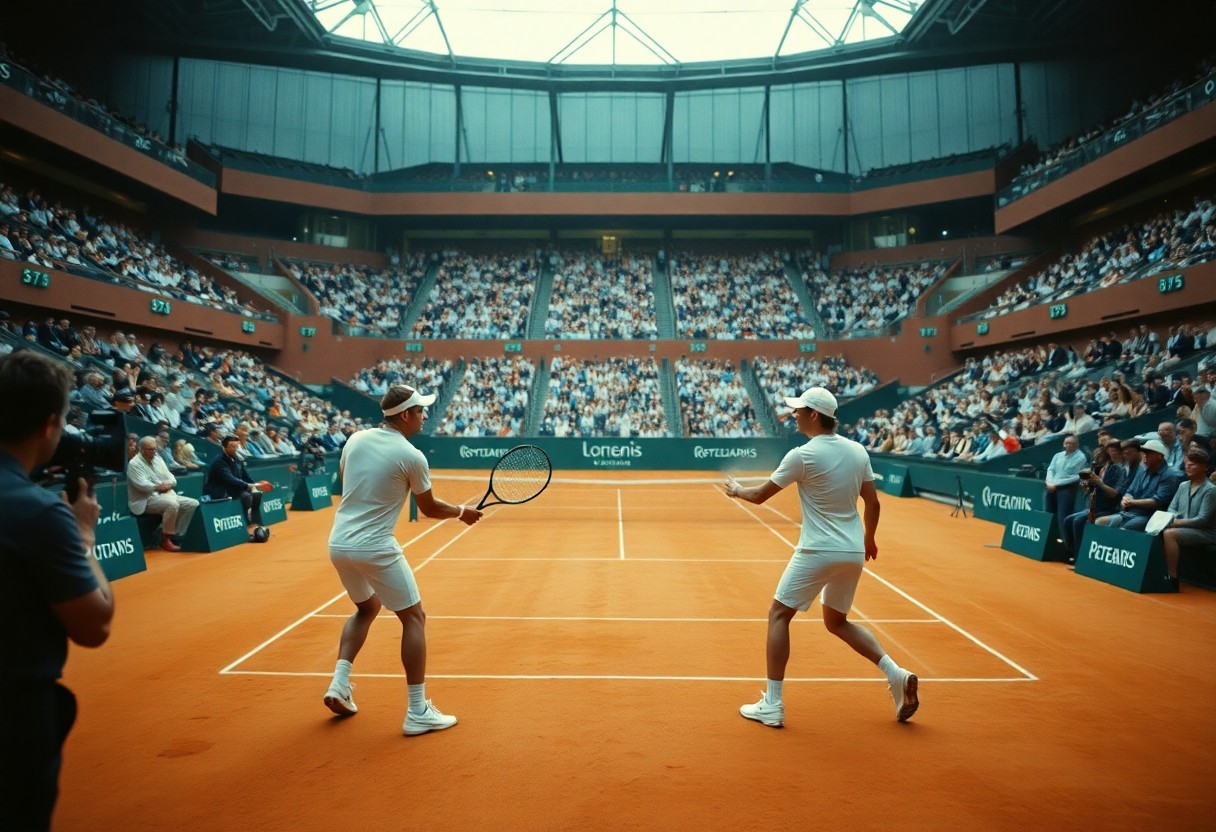
At Roland‑Garros the red clay produces a slower, higher bounce that extends rallies and rewards heavy topspin and exceptional footwork; men’s Grand Slam matches on clay frequently top three hours, and specialists like Rafael Nadal demonstrate how slide technique and endurance convert into consistent dominance on this surface.
Hard Courts
Used at the Australian Open and US Open, hard courts offer a medium-to-fast, predictable bounce-tournament speed varies with topcoat and cushioning, so players often flatten shots and target quick returns to gain advantage in baseline exchanges.
Construction combines asphalt or concrete base, shock‑absorbing layers and acrylic finish; small changes in topcoat thickness alter skid and ball compression, and the surface causes higher impact on knees and ankles, prompting use of shock‑absorbing shoes and load management. Thou players monitoring workload should prioritize recovery and footwear choices to mitigate wear on the body.
Key Facts About the Tournament
Held at Stade Roland-Garros, the French Open is the only Grand Slam on clay, played over two weeks in late May-early June. The main draws feature 128 singles players with 32 seeds, supported by a 128-player qualifying draw vying for 16 spots. Men’s matches are best-of-five sets and women’s best-of-three, and the installation of a retractable roof on Philippe-Chatrier has reduced rain interruptions.
History of the French Open
Originating as the French Championships in 1891, it opened to international competitors in 1925 and relocated to Stade Roland-Garros when the stadium opened in 1928. The tournament entered the Open Era in 1968, admitting professionals and transforming prize structures, player fields, and global prestige.
Notable Champions
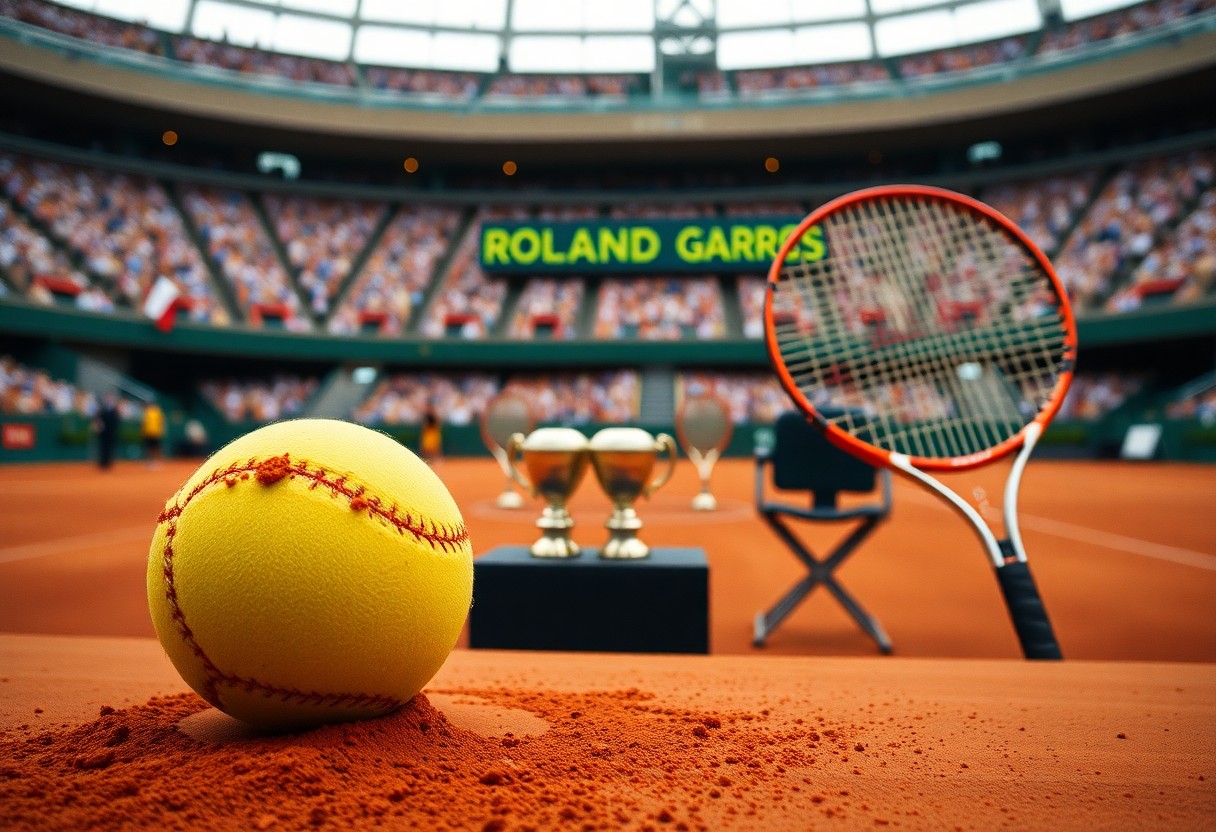
Rafael Nadal’s dominant run-capturing a record 14 titles-defines modern clay mastery; Chris Evert’s seven French crowns mark the women’s Open Era benchmark, while Björn Borg’s six titles anchored the 1970s baseline era. Other defining winners include Gustavo Kuerten and surprise champions like Gastón Gaudio (2004), illustrating both sustained excellence and clay’s capacity for upsets.
Nadal’s success stems from heavy topspin, relentless defense and unmatched endurance that convert long rallies into advantages; Evert relied on exceptional consistency and a precise two‑handed backhand to dominate clay, and Gustavo Kuerten’s three Roland-Garros titles blended left‑handed spin with flair, broadening the event’s global appeal.
Tips for Attending the French Open
Plan for long security queues, shifting weather, and the peculiarities of clay courts: choose transit over driving, book matches early in the day to avoid evening surges, and keep clothing that tolerates red clay stains. Use apps for real-time court changes and ticket scans to skip paper lines. Arrive early to catch warm-ups and avoid congestion. Assume that, security lines often take 30-60 minutes, so arrive 60-90 minutes before your match.
- Tickets: mobile tickets, print backups, check official resale.
- Transport: RER, metro and shuttle are fastest; avoid car parking.
- Clay: slides stain clothing and affect footing; wear appropriate soles.
- Weather: days average ~20°C; be ready for sun or sudden rain.
- Bag policy: carry a compact daypack that meets stadium rules.
What to Bring
Pack a compact daypack with sunscreen (SPF 30-50), a wide-brim hat, sunglasses, a lightweight waterproof jacket, and a small towel for clay dust. Include a portable charger, compact binoculars, and a cushion for hard seats. Choose closed-toe shoes with decent tread for stable footing on clay, and bring your mobile ticket and ID in an easily accessible pocket.
Best Viewing Strategies
Prioritize the main courts for atmosphere-Philippe-Chatrier for show matches and Suzanne-Lenglen for closer sightlines-while smaller courts offer affordable proximity to players during early rounds. Arrive 30-45 minutes before play to secure aisle seats and watch warm-ups; evening sessions often start around 19:00, which changes crowd dynamics and light.
For seat choice, baseline rows reveal footwork and slide technique, whereas low-side seats give dramatic close-ups of serves and net exchanges; the sun’s angle matters-aim for shaded sections in afternoon sessions to avoid glare. During first-week play, ticket prices and crowds are lower, making side or front-row seats on outer courts a high-value strategy for intimate viewing.
Step-by-Step Guide to Purchasing Tickets
Follow a clear sequence: check official release dates, pick sessions (Philippe-Chatrier ≈15,000 seats, Suzanne-Lenglen ≈10,000, Simonne-Mathieu ≈5,000), decide between single-session, day passes or subscriptions, then buy via verified channels and consider official resale for sold-out sessions. Expect phased releases and variable pricing by session and day.
| Step | What to do |
|---|---|
| 1. Monitor releases | Check the Roland‑Garros calendar and sign up for alerts for public and ballot drops. |
| 2. Select court & session | Prioritize Philippe‑Chatrier for night sessions; choose grounds tickets for broader court access. |
| 3. Purchase | Buy on the official site or authorized sellers; use secure payment and digital delivery. |
| 4. Resale & swaps | Use the tournament’s official resale platform or verified exchanges to avoid fraud. |
Online Ticket Sales
Most sales happen online via the official Roland‑Garros site and authorized partners, with phased releases for individual sessions, day passes and subscriptions; ticket categories range from inexpensive grounds (around €20-€40) to premium Philippe‑Chatrier sessions (€50-€350+), and priority access is often given to members, subscribers and sponsors during initial drops.
Day-of-Match Options
On match days a small number of returned tickets and limited counter sales can appear at the on‑site box office, plus last‑minute ground passes for outer courts; availability is very limited, so early arrival and checking the official app/box office updates improves chances.
Additional strategies include monitoring the tournament’s official resale platform and authorized fan‑to‑fan exchanges where genuine tickets surface, watching for releases a few hours before play, and using mobile QR tickets to speed entry; avoid third‑party sellers without verification to reduce fraud risk.
Factors Affecting Player Performance
Conditions at Roland Garros combine multiple variables – surface, weather, and a player’s endurance – that shape outcomes: movement, shot selection, and recovery interact across rounds. Clay-specific traits lengthen rallies, increasing fatigue and favoring heavy-topspin baseliners, while wind or rain can neutralize a big serve and force tactical shifts. Teams routinely tweak equipment and game plans between matches. Any small swing in these factors can decide a match, turning favorites into underdogs.
- Clay surface – slow, high bounce
- Weather – humidity, rain, wind
- Physical endurance – multi-set stamina
- Tactical choices – string tension, shot selection
Surface Differences
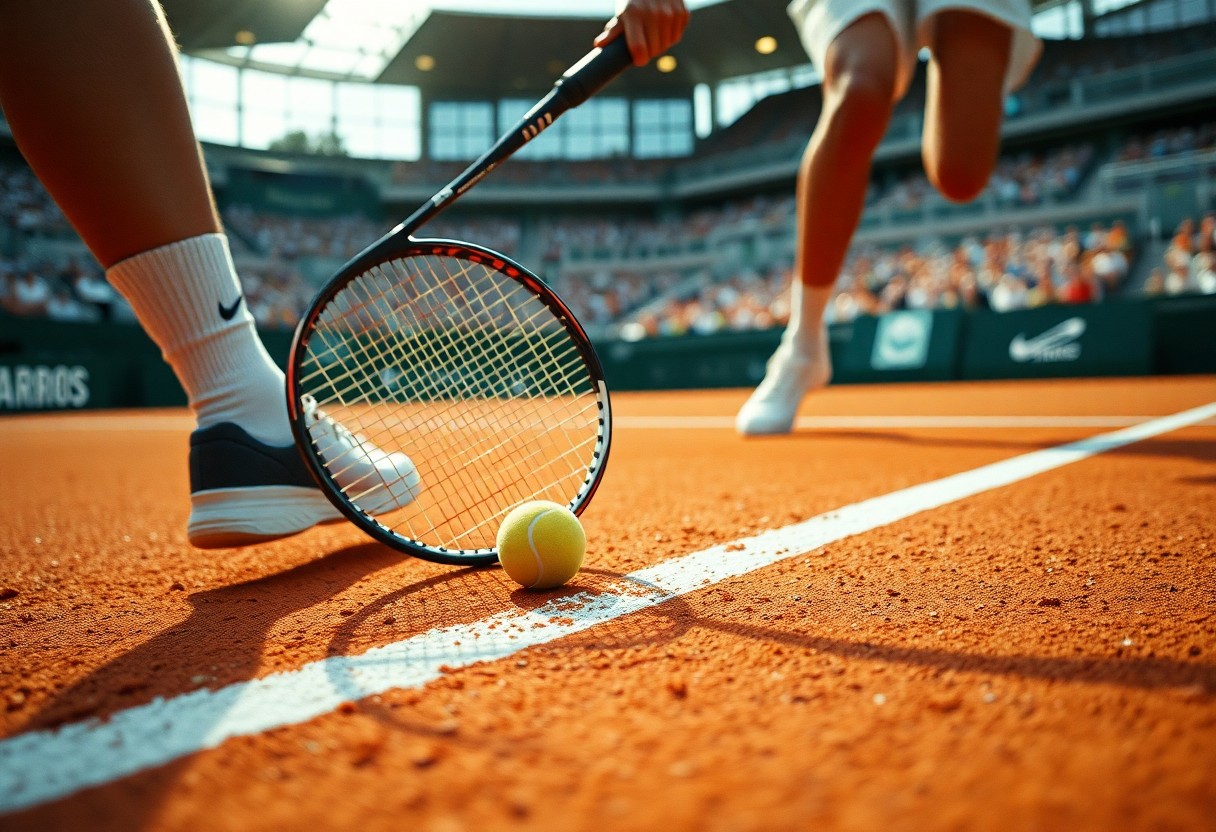
Clay slows ball speed and enhances rebound, rewarding heavy topspin and superior footwork; players who slide efficiently gain court coverage and time to construct points. Rafael Nadal’s 14 Roland Garros titles exemplify how mastery of clay movement and high-bounce trajectories produces sustained advantage. Serves lose raw pace, returns become more feasible, and rallies lengthen, increasing the match’s physical wear.
Weather Conditions
Humidity, temperature and wind markedly alter clay behavior: damp conditions make the court heavier and the ball sit up, while warm, dry days speed play; rain delays disrupt routines and recovery. Wind changes ball flight and forces tactical adjustment, prompting players to modify strings or favor lower-risk patterns.
Organizers use covers and a retractable roof on Court Philippe-Chatrier to limit interruptions, yet most courts remain exposed, so teams track forecasts closely; typical May-June variability – cool mornings and warmer afternoons – affects ball pressure and hydration strategies. Ground crews groom courts between matches to restore consistency, while players may loosen string tension, alter footwear grip, or shorten point construction during prolonged damp spells to avoid fatigue-related errors.
Pros and Cons of Playing on Clay
| Pros | Cons |
|---|---|
| Longer rallies that reward strategy and endurance | Matches often run over three hours, increasing fatigue |
| High bounce benefits heavy topspin (see Nadal’s 14 Roland Garros titles) | Low-bounce servers see fewer aces and reduced serve dominance |
| Sliding enables recovery and softer landings | Sliding raises ankle and hamstring strain, risk of sprains |
| Surface slows pace, rewarding consistency and defense | Hard to finish points quickly-serve-and-volley is less effective |
| Encourages tactical variety: drop shots, angles, heavy topspin | Requires precise footwork and mastered slide technique |
| Less abrupt joint impact than hard courts | Court condition and weather (wet clay) can make play heavy and unpredictable |
| Favours baseline grinders and endurance specialists | Aggressive big servers and fast-court specialists struggle to adapt |
| Excellent for developing point construction and patience | Long recovery and match scheduling challenges during the clay swing |
Advantages for Players
Slower, high-bouncing clay rewards heavy topspin, patience and point construction; specialists like Rafael Nadal (14 Roland Garros titles) show how topspin and defense translate to dominance. Players can use angles, drop shots and extended rallies to wear opponents down. Additionally, sliding often reduces sharp impact on knees and hips, making clay friendlier on joints for long five-set contests compared with hard courts.
Challenges Faced
Serving effectiveness drops and points elongate, so big servers lose a clear edge while returners thrive; many matches exceed three hours, which amplifies physical toll. Footwork demands are technical-poor sliding technique elevates the chance of ankle and hamstring injuries. Transitioning players must adjust timing, spin and shot selection quickly during the clay season.
Equipment and conditioning matter: players switch to shoes with deeper herringbone treads and emphasize eccentric leg strength to handle repeated slides. Coaches often add specific drills for sliding mechanics and longer endurance sessions; medical teams plan extra recovery after Roland Garros due to the compounding fatigue of extended rallies and variable weather that can make courts heavier and more demanding.
Conclusion
Now the French Open’s unique clay surface, historic champions, distinctive scoring moments, seasonal timing, and records define its singular place in tennis; understanding these facts deepens appreciation of player strategies, endurance tests, and the tournament’s influence on the sport’s history.
FAQ
Q: What makes the French Open unique among the Grand Slams?
A: The French Open-played at Stade Roland-Garros-is the only Grand Slam contested on red clay, held late May to early June. Clay produces higher, slower bounces and rewards topspin, endurance and point construction more than pure serve power. The tournament traces back to a national championship in 1891, opened to international players in 1925 and moved to the Roland-Garros stadium in 1928; the 1968 edition was the first in the Open Era, allowing professionals to compete.
Q: How does clay affect tactics, player movement and match length?
A: Clay slows the ball and increases spin-induced bounce, so players hit with heavier topspin, build points patiently and use angles to create openings. Serves are less dominant; breaks of serve are more frequent and rallies typically last longer, demanding superior stamina and tactical variety. Footwork emphasizes sliding and recovery, so balance and court coverage matter more than raw speed. Clay also amplifies the advantage of players who excel at constructing points, counterpunching and generating consistent depth and spin.
Q: Which records and historic facts every fan should know about Roland-Garros?
A: Rafael Nadal holds the men’s singles record for most titles at Roland-Garros (14), illustrating how surface specialists can dominate. Key historic markers: the event began as a French national championship in 1891, opened to international competitors in 1925, moved to the Roland-Garros stadium in 1928 (named for the aviator Roland Garros), and became part of the Open Era in 1968. The tournament’s clay pedigree has produced iconic, physically demanding matches and careers defined by clay-court excellence.