
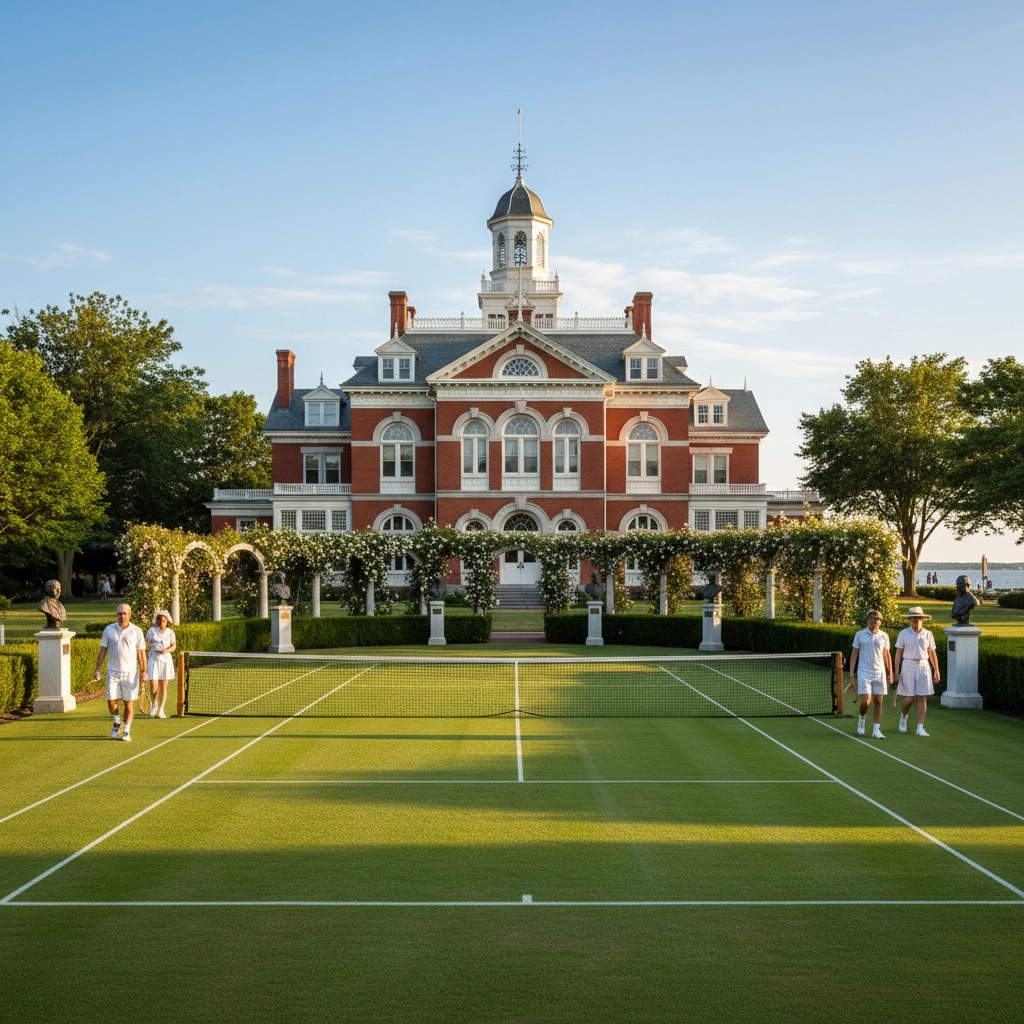
Why the Tennis Hall of Fame Should Be Part of Your Tennis Knowledge
You follow match scores and Grand Slam drama, but the International Tennis Hall of Fame also preserves the sport’s deeper story — the careers, innovations, and personalities that shaped tennis. Knowing who is enshrined and why helps you connect present-day rivalries to long arcs of technique, training, and cultural change. This guide will help you navigate every member’s significance so you can identify patterns: what achievements, contributions, or innovations tend to earn a player or contributor a place in tennis history.
How Members Are Chosen and What You Should Look For
Categories of induction
The Hall of Fame recognizes different types of contributors, and as a reader you’ll want to distinguish between them:
- Players: Individuals honored primarily for on-court achievements, such as Grand Slam titles, longevity, or dominance in their era.
- Contributors (Other): Coaches, administrators, promoters, and innovators who advanced the sport’s infrastructure or popularity.
- Wheelchair and Senior Players: Specialized categories that celebrate excellence across formats and age divisions.
Core criteria that influence induction
When you evaluate candidate profiles, consider three recurring measures:
- Competitive record: Titles, major finals, and sustained ranking are primary indicators.
- Impact on the game: Tactical innovations, popularizing tennis in new regions, or contributing to rule changes can weigh heavily.
- Legacy and sportsmanship: Contributions beyond match wins — mentoring, philanthropy, and ambassadorship — often tip the scales for borderline cases.
Selection is decided by a combination of committees, historical evidence, and peer voting, so context and narrative matter almost as much as raw statistics. As you read member biographies, look for how those three elements interplay to justify induction.
Early Inductees: Pioneers Whose Careers Still Influence Play
The Hall’s earliest members set standards for excellence and technique that persisted for decades. Understanding these pioneers gives you a frame for later inductees and highlights how tennis evolved from amateur pastime to global professional sport.
- Major Walter Clopton Wingfield (late 19th century): Often credited with patenting lawn tennis rules; his contributions show how administrators can be as influential as champions.
- Bill Tilden (1920s): Dominant as a player and notable for bringing strategic depth and psychological nuance to singles play.
- Suzanne Lenglen (early 20th century): A style and performance icon whose athleticism helped change expectations for women’s tennis.
- Fred Perry and Don Budge (interwar period): Champions whose technical and conditioning approaches prefigured the modern professional era.
These early inductees illustrate recurring themes you’ll see across the Hall: rule-making or organizing figures, on-court pioneers who altered technique, and iconic personalities who expanded tennis’s appeal. In the next section, you’ll begin a chronological tour of inductees, starting with the Hall’s founding era and tracing how selection priorities shifted across decades.
Mid-century Inductees and the Rise of Professionalism
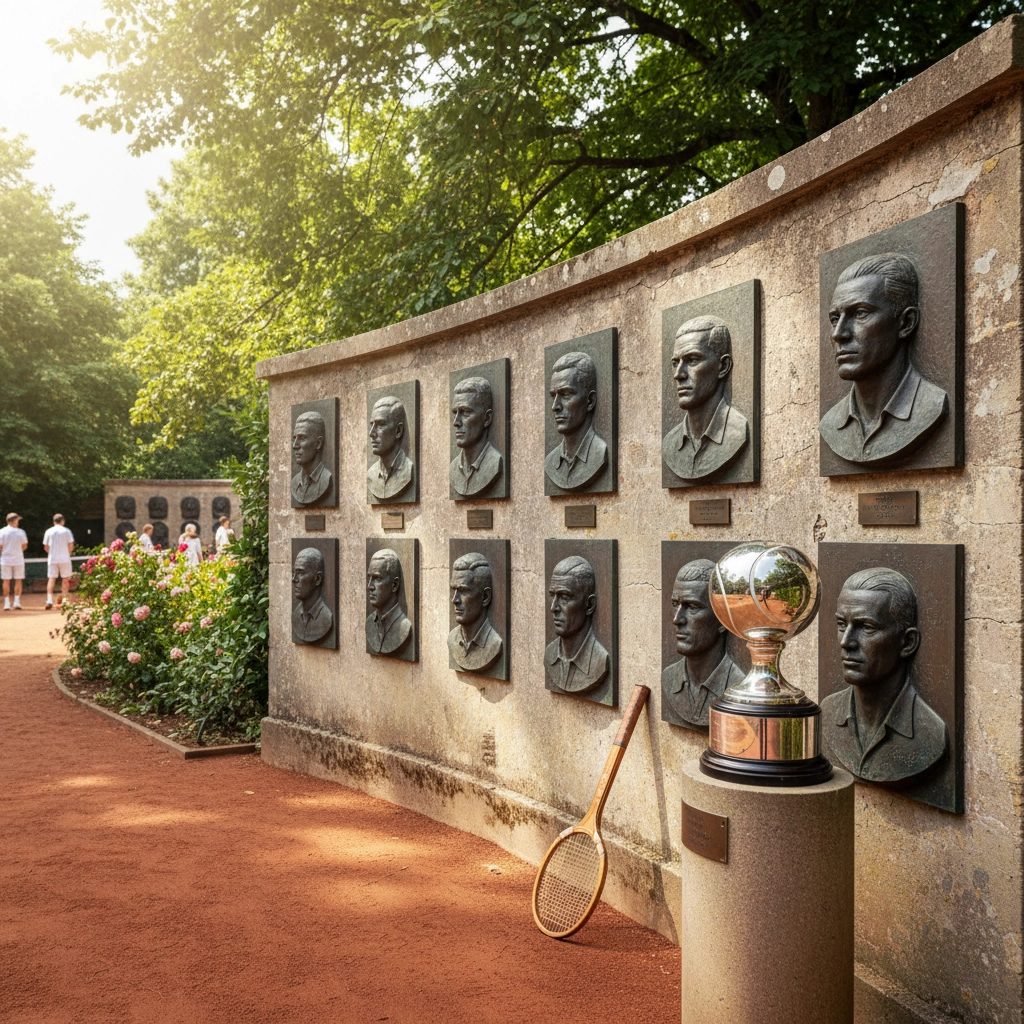
After those early pioneers, the Hall’s mid-century classes reflect tennis’s shift from aristocratic pastime toward commercialized, professional sport. Inductees from this era often combine outstanding amateur records with pivotal roles in professional tours, prize-money battles, and broadcasting that turned tennis into spectator entertainment. When you read mid-century biographies, look for two recurring signals: first, athletes who dominated on grass and clay but also embraced touring pro circuits; second, figures who helped build the sport’s market — promoters, early television commentators, and player-leaders who negotiated better conditions.
These members illustrate how the Hall began to value not just peak results but influence on tennis’s economic and organizational structures. Their stories highlight the increasing importance of career management, endorsements, and public persona — factors that set the template for the superstar-athlete model that defines modern tennis. Examples from this period often show players reinventing themselves as coaches, promoters, or writers after their playing days, further demonstrating the Hall’s interest in long-term contribution rather than a single glorious season.
The Open Era and the Emergence of Global Icons
The introduction of the Open Era in 1968 marks a clear inflection point in Hall of Fame selections. From this juncture, inductees increasingly reflect global reach, athletic specialization, and the professional tour’s consolidated status as the sport’s premier stage. When assessing Open Era inductees, note how the criteria broaden: Grand Slam totals and weeks at No. 1 remain vital, but so do crossover impact (fashion, activism, media presence), rivalries that captured public imagination, and sustained excellence across surfaces and decades.
This period is populated by household names whose careers shaped technique, training, and commercial appeal — players who pushed baseline power, serve-and-volley refinement, or all-court versatility and who also became ambassadors for tennis worldwide. The Hall’s choices here often tell a dual story: on-court dominance and off-court influence. Reading these biographies helps you connect individual achievements to larger trends — sports science, racket technology, global broadcast deals — that changed how tennis is played and consumed.
Expansion of Categories: Contributors, Wheelchair, and Senior Recognition
As tennis matured, the Hall expanded beyond singles-and-doubles champions to formally honor those who sustain the sport in less visible but equally vital ways. Today’s inductees include architects of tournaments and federations, coaches who built training academies, innovators in equipment and court surfaces, and advocates who broadened access and inclusion. When you encounter a “contributor” entry, evaluate the scale of impact: did their work create new opportunities, improve player welfare, or alter the sport’s governance?
Parallel to this, the Hall has broadened recognition to celebrate excellence across formats and age groups — senior players who kept competitive flame alive and wheelchair athletes whose achievements represent elite performance and resilience. These additions signal the Hall’s evolving definition of merit: it’s not only about Grand Slams but the entire ecosystem that sustains competitive play, grows participation, and preserves tennis’s cultural relevance. As you read through these varied biographies, you’ll better appreciate how the Hall balances statistical accomplishment with contributions that shape tennis for generations to come.
Keeping the Hall’s Story in Motion
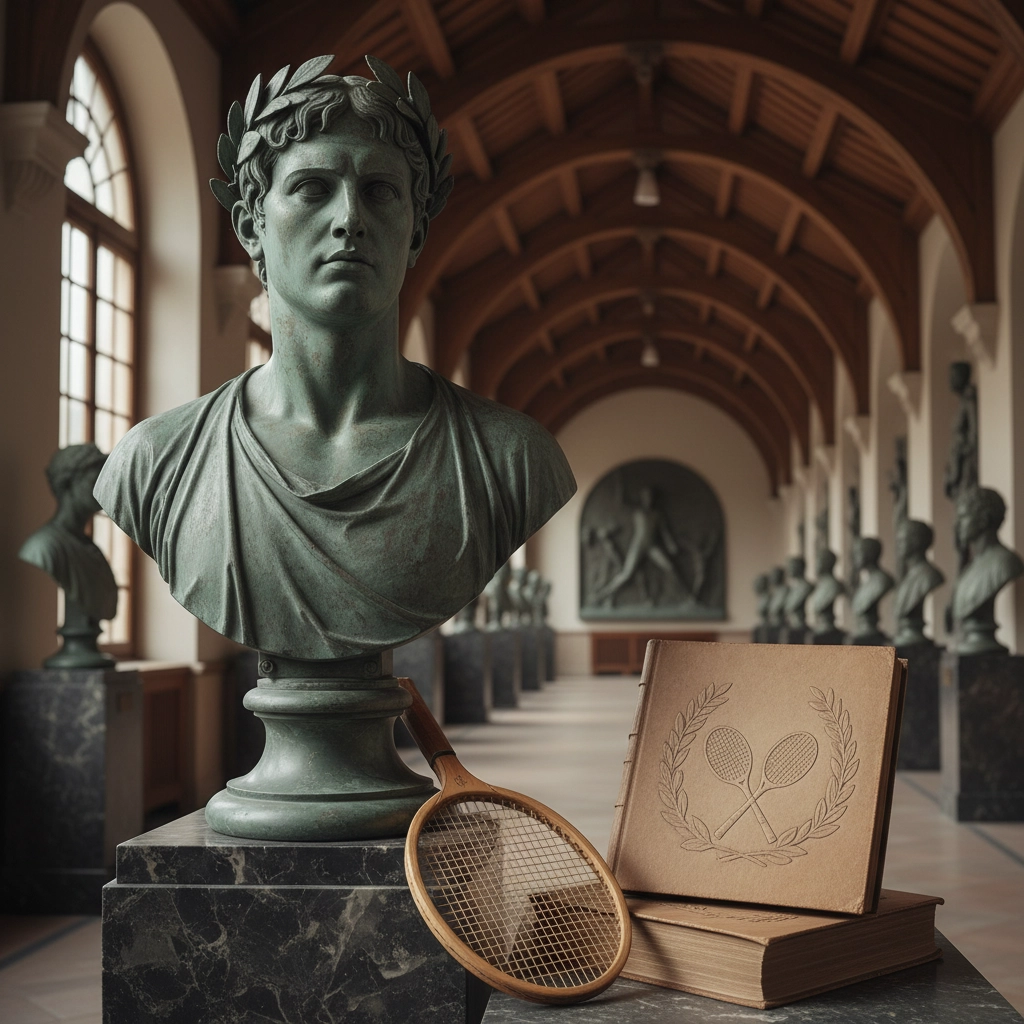
The Tennis Hall of Fame is a living archive: names, artifacts, and stories that continue to evolve as new achievements and contributions reshape the sport. Whether you’re a casual fan, a student of tennis history, or a coach looking for inspiration, use the Hall as a resource for questions, debate, and discovery rather than a finished list. Attend an induction weekend, explore exhibits, or follow research projects that surface unexpected connections between past and present.
-
Visit the museum and digital archives to experience artifacts and firsthand accounts.
-
Track induction announcements and candidate profiles each year to see how criteria and priorities change.
-
Use biographies as starting points for deeper research — interviews, match footage, and contemporary reporting often reveal the fuller context behind a selection.
For schedules, inductee lists, and visitor information, consult the official site of the International Tennis Hall of Fame: International Tennis Hall of Fame. Let the Hall be a place where your appreciation for the sport grows alongside its recorded legacy.
Frequently Asked Questions
How are members selected for the Tennis Hall of Fame?
Selection is handled by committees that review candidates in specific categories (players, contributors, wheelchair, seniors). Committees weigh competitive records, impact on the sport, and broader legacy; peer voting and historical documentation also play key roles.
Can non-players like coaches or administrators be inducted?
Yes. The Hall has a contributors category for coaches, administrators, promoters, equipment innovators, and others whose work significantly advanced tennis or improved its infrastructure and reach.
Where can I find the official list of inductees and information about induction ceremonies?
The Hall’s official website and its visitor center publish current inductee lists, biographies, and details on induction ceremonies and events. Museum calendars and press releases are the best sources for up-to-date information.