When head-to-head battles rewrite the rules of the game
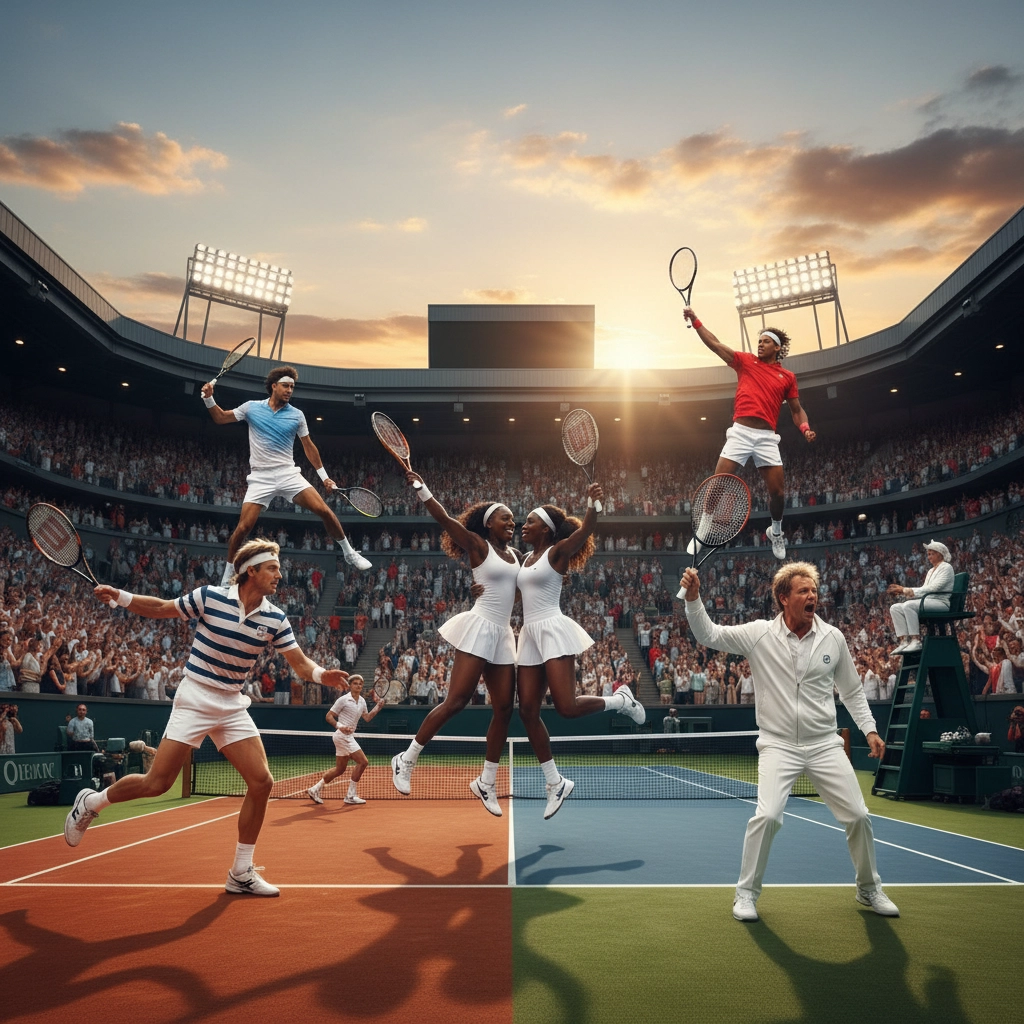
You already know that sport thrives on stories: clashes of style, personality, and will. In tennis, rivalries are the narrative engine that turn matches into cultural moments. When two players repeatedly meet at the sport’s biggest stages, you don’t just get outcomes — you witness tactical evolution, shifting fan loyalties, and even changes to how tennis is played and presented. As you read, consider how a single rivalry can influence coaching methods, equipment preferences, stadium atmospheres, and the global profile of the sport.
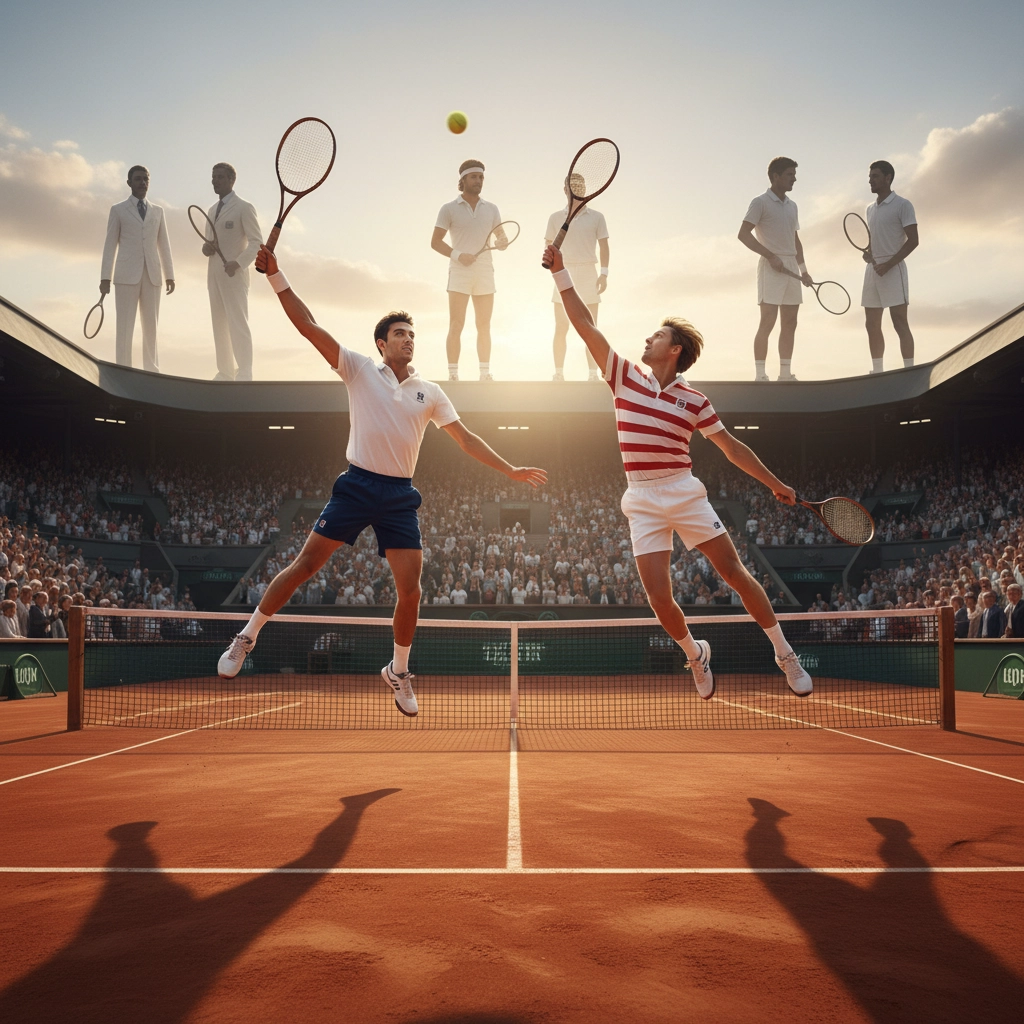
Rivalries produce clear, memorable contrasts that make tennis accessible to casual viewers and deeply intriguing to enthusiasts. You’ll notice patterns: a serve-and-volley player against a baseline strategist; a dominant champion meeting a rising challenger; clashes colored by national pride or personal animosity. These dynamics are what forged tennis into the spectator-rich sport it is today, long before television magnified every exchange.
Early duels that changed technique, fandom, and the tournament map
To understand the sport you watch now, you have to look back at the earliest intense rivalries. These matches were not just contests — they were laboratories where playing styles were tested and public passion was won. Below are some pivotal early duels and the ways they shaped tennis’ trajectory.
-
William and Ernest Renshaw — elevating Wimbledon and the serve-and-volley impulse
In the late 19th century, the Renshaw brothers repeatedly met at Wimbledon finals and exhibitions. Their aggressive net play and emphasis on powerful serves popularized forward court tactics and made Wimbledon a must-see event. When you trace serve-and-volley tradition, you can see the Renshaws’ fingerprints on how early champions approached court position and crowd engagement.
-
Suzanne Lenglen vs. Helen Wills — transforming women’s tennis into a global spectacle
The 1920s produced a duel that went beyond the baseline. Lenglen’s effortless artistry contrasted with Wills’ stoic power, creating a dramatic narrative that drew international attention to women’s tennis. You can point to this rivalry when explaining how female players began to command headline billing, influence fashion on court, and attract widespread media coverage.
-
Bill Tilden and the interwar shift toward athleticism and tactical depth
Bill Tilden, one of the sport’s first global stars, helped raise expectations for physical preparation and strategic thinking. His contests with contemporaries from Europe introduced audiences to a more cerebral, conditioning-focused approach. If you watch modern baseline rallies, you’re seeing an evolution that started in part with players like Tilden pushing the game’s tactical boundaries.
These early rivalries did more than determine trophies: they affected rule discussions, encouraged international tournaments to expand, and taught fans how to read matches as compelling dramas. As you move forward, you’ll trace how mid-century and Open Era rivalries built on this foundation to create the intense, televised showdowns that define modern tennis. Next, you’ll explore the rivalries of the mid-20th century and the Open Era that propelled tennis into a global phenomenon.
Post-war titans and the push that opened the professional game
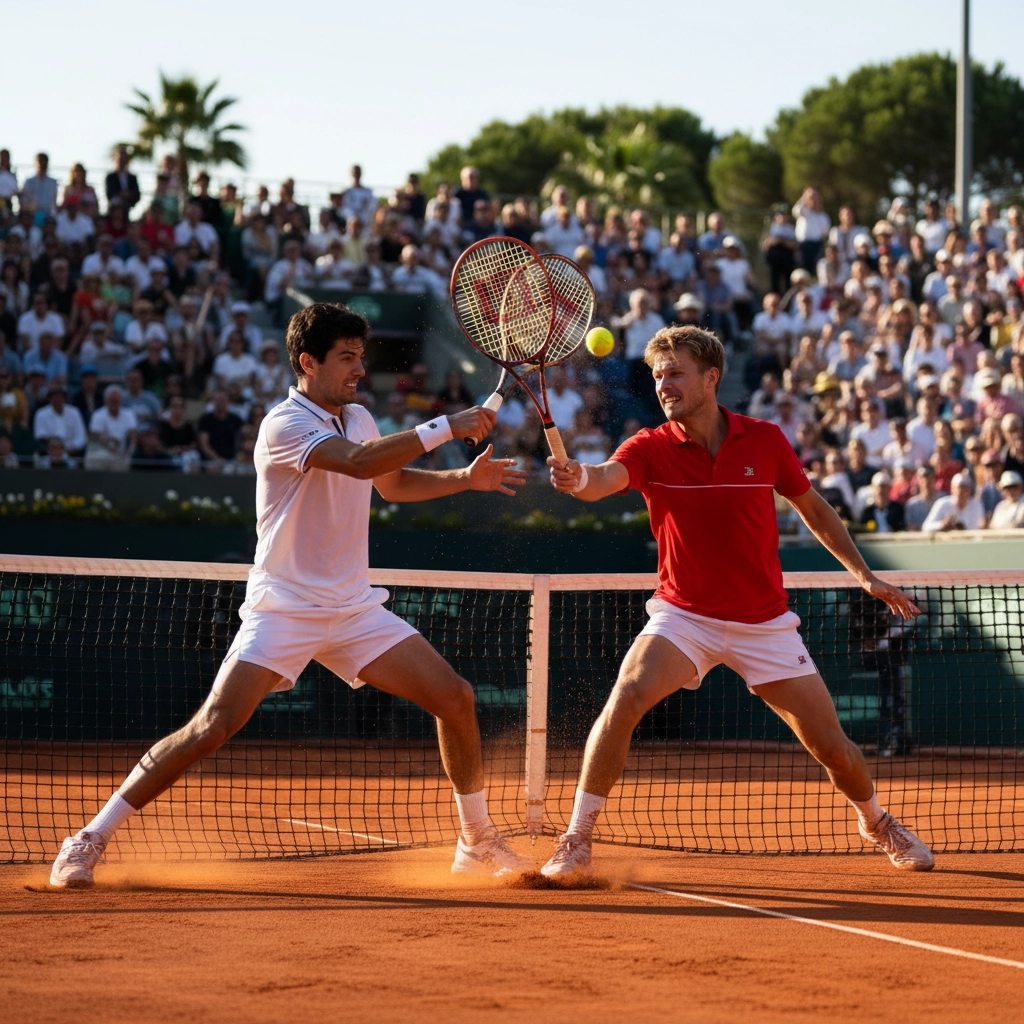
The decades after World War II were a crucible for tennis’ professionalization. Rivalries among the touring pros — notably figures like Jack Kramer, Pancho Gonzales, and later Rod Laver and Ken Rosewall — forced the sport to confront a stubborn split between amateur prestige and professional reality. These matchups were about more than trophies: they were barometers of what tennis could be when its best players were allowed to earn a living and play each other year-round.
Head-to-head tours showcased not only superior shot-making but also the need for sustainable circuits, better player compensation, and standardized surfaces. The spectacle of paid exhibitions and professional tours convinced promoters and national associations that the sport had a box-office future beyond aristocratic clubs. When the Open Era began in 1968, it was the logical culmination of years of rivalry-driven pressure. Players who had sharpened their games against the pros arrived on the newly unified Grand Slam stage with higher levels of fitness, tactical nuance, and a sense that tennis was a career, not a pastime. The result: intensified competition, expanded global tournaments, and early changes in coaching and conditioning that set modern standards.
Borg vs. McEnroe — the cold stare versus the storm that made tennis televisual drama
Few rivalries translated so directly into mainstream attention as Björn Borg versus John McEnroe. Their meetings symbolized a clash of temperaments — Borg’s icy, machine-like consistency against McEnroe’s volatile artistry — and they arrived just as television wanted human narratives it could package and promote. Their high-stakes matches, often decided by a few points, turned tennis into appointment viewing for millions and taught broadcasters how to sell tension, personality, and theatrical points as must-see television.
The tactical contrasts in their duels also influenced coaching. Trainers began to emphasize mental preparation alongside technique, while players and academies marketed personalities as much as play styles. Youth programs started asking, implicitly, whether they were producing Borg-like steadiness or McEnroe-esque creativity, and that debate widened the range of accepted development philosophies. On court, the intensity of their rallies pushed players to refine court craft and endurance, making long baseline exchanges and clutch serve returns staples of elite play.
Sampras and Agassi — America’s stylistic civil war and the era of power, personality, and sponsorship
In the 1990s, Pete Sampras and Andre Agassi carried the torch of rivalry into a new commercial and technical age. Their contests — serve-and-volley precision against ferocious baseline aggression — crystallized competing blueprints for success in the modern game. But equally important was how their personas and off-court lives amplified tennis’ cultural reach. Agassi’s fashion, marketing, and crossover celebrity expanded the sport’s demographic; Sampras’ understated dominance became the blueprint for a new kind of tennis hero.
Technically, their era coincided with rapid racquet and string advances that favored power and spin. Coaches adjusted training to prioritize explosive serve mechanics, core strength, and return aggression. Tournaments adapted, too: bigger sponsorships, larger purses, and globally televised rivalries turned slam finals into commercial events. The Sampras–Agassi chapter demonstrated how player rivalries could directly reshape equipment trends, playing styles, and tennis’ place in popular culture.
As tennis entered the 21st century, rivalries continued to define eras and expand the sport’s reach. The trio of Roger Federer, Rafael Nadal, and Novak Djokovic rewrote records and pushed each other to unprecedented levels, while rivalries on the women’s tour — from Serena and Venus Williams to Steffi Graf and Monica Seles earlier on — raised the profile of female athletes worldwide. These modern clashes accelerated interest in analytics, recovery science, and surface-specific tactics, and they ensured that every generation of fans had its own defining head-to-head narratives.
Where rivalries leave the court
Rivalries will always be more than a ledger of wins and losses. They shape what coaches teach, what sponsors invest in, and how fans remember moments decades later. As technology, training, and global access evolve, future rivalries will likely be fought with smarter data, faster equipment, and on courts hosted in ever-more diverse locations. For anyone who loves the sport, the promise is this: new rivalries will continue to arrive, each carrying the potential to change tactics, amplify personalities, and inspire the next generation of players and supporters. For historical context and official developments that often follow these rivalries, consult the International Tennis Federation.
Frequently Asked Questions
How have rivalries influenced tennis equipment and technique?
High-profile matchups accelerate demand for equipment that complements prevailing styles. When powerful baseline play dominated, manufacturers pushed racquets and strings favoring power and spin; when serve-and-volley resurged, lighter maneuverable frames gained attention. Coaches adapt techniques seen in successful rivals, spreading those changes through junior programs and academies.
Which rivalry turned tennis into mainstream televisual drama?
Björn Borg versus John McEnroe is widely credited with transforming tennis into televisual drama: their contrasting temperaments and tightly contested matches made the sport compelling viewing and taught broadcasters how to package tension and personality for mass audiences.
Do rivalries impact the development of younger players?
Yes. Rivalries create templates for success that young players emulate—whether emphasizing mental toughness, baseline endurance, net play, or tactical versatility. They also inspire training programs to prioritize specific physical and psychological skills needed to compete at the highest level.