
Why the opening swings of the 2026 Australian Open mattered to you
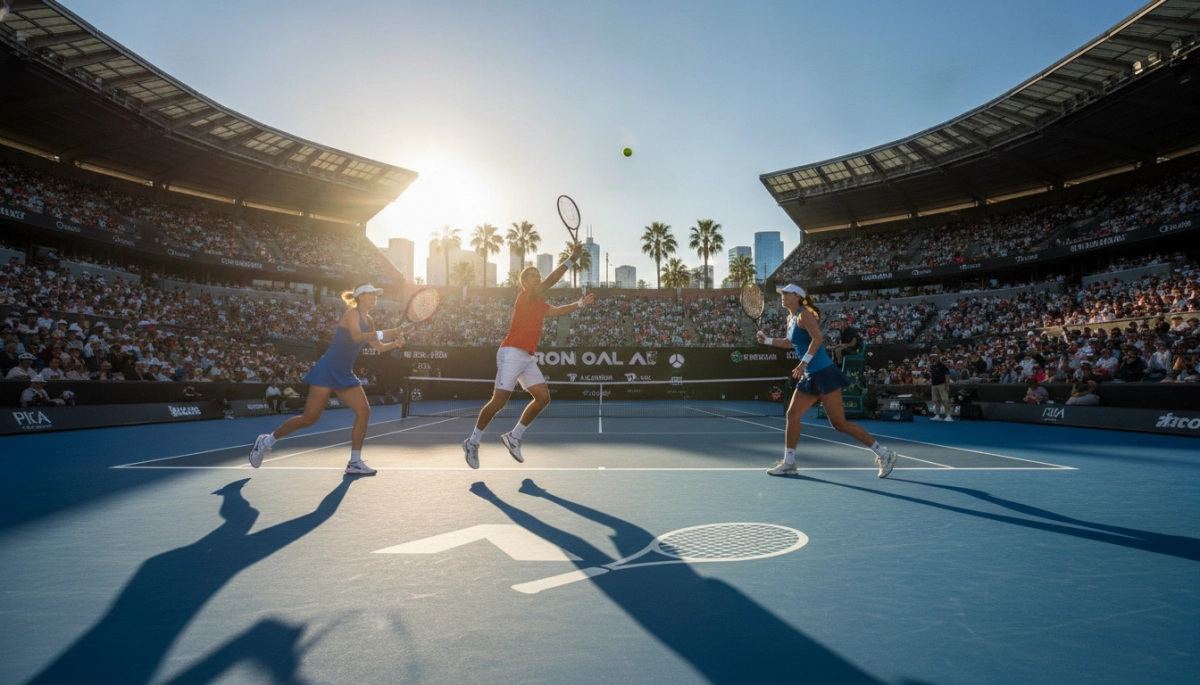
The 2026 Australian Open delivered months’ worth of discussion in a single fortnight, and you felt it match by match. Early-round fireworks and momentum-shifting exchanges created the narrative threads that carried through to the final week. This first part of the highlights reel focuses on the rallies and comebacks from the tournament’s opening days — moments that didn’t just win points, they rewrote expectations and forced you to rethink who could lift the trophy.
As you watched, the court surfaces, night-session atmosphere, and a mix of seasoned campaigners and rising teenagers combined to produce a distinct flavor of drama. You’ll recognize several common elements in these early-showcase moments: relentless defense turning into sudden offense, brave volleying under pressure, and tactical adaptations mid-rally that flipped outcomes. Below are the first five rallies and comebacks that set the tone for the weeks that followed.
Early jaw-droppers: five rallies and comebacks that set the tournament alight
-
Qualifier upends expectation with a baseline marathon
In a second-round night match, a qualifier you might not have had on your radar forced a main-stator to chase every ball. What began as defense became attack: after minutes of baseline grinding, the underdog snuck a crosscourt winner, then broke serve in the following game to turn a two-set deficit into a three-set victory. That sequence reminded you that stamina and belief can trump ranking early in the event.
-
Veteran’s surgical change of pace turns match around
A seasoned campaigner used touch and variety to erase a one-set hole. You saw the turning rally where a mix of drop shots, slices and angled forehands pulled the opponent forward and left open space. That single exchange was the tactical blueprint the veteran used to reclaim control and engineer a comeback that felt inevitable once the rhythm shifted.
-
Epic net rush seals a comeback from the brink
Late in a third-set decider, a player trailing by a break executed a gutsy serve-and-volley sequence that culminated in an audacious half-volley winner. The crowd roared and momentum swung; you could sense the psychological damage to the opponent. That decisive rally not only saved the match but began a run of inspired tennis for the remainder of the tournament.
-
Unexpected defense becomes offense in a clay-to-hard adaptation
One night match featured a competitor known for clay-court craft adapting perfectly to hard courts. A long defensive rally ended with a sudden inside-out winner that stole a set and the opponent’s composure. Watching that exchange, you saw how adaptability — shifting footwork and timing — can rewrite a match’s script in a single point.
-
Young breakout’s fearless comeback shocks a top seed
A teenage breakout staged a comeback that announced them to the tennis world. Down a break in the final set, they produced a fearless, all-court rally — mixing lunging returns, passing shots and a courageous lob — to break and then serve out the match. That moment became the tournament’s early emblem of new-edge potential.
These first five highlights show you how the tournament was punctuated by points that mattered far beyond a single scoreboard entry — they shaped confidence, crowd energy, and subsequent draws. Next, you’ll get a closer look at the remaining five rallies and the late-stage comebacks that truly defined the latter half of the Open.
Middle-week turning points: three rallies that swung entire draws
As the draw began to narrow, there were three points that did more than win games — they reordered expectations, seeded upsets, and sent shockwaves through the locker rooms. You remember the first: a 27-shot baseline epic in a fourth-round encounter where both players refused to yield. It began as a neat exchange of depth and angles, then stretched into a war of attrition. One player leaned back onto defensive slices and shoulders the court, only to produce a sudden inside-out forehand winner down the line that ended the rally and, critically, broke serve in the next game. That one exchange was the literal hinge of the match; after it, the momentum lived with the breaker, and upsets that had looked improbable suddenly felt inevitable.
The second midweek turning point arrived in a rain-delayed night match that went deep into the tiebreak. Against a heavy server who had steamrolled opponents all fortnight, the challenger found a seam with a bold return strategy — stepping in, neutralizing pace, and redirecting it low and sharp. The defining point was an audacious half-volley pass on a rush that turned a mini-break into a match-clinching flurry. You could sense the shift not just on the scoreboard but across the tournament chart: the upset reconfigured potential semifinal matchups and altered how other contenders planned for the top half.
Finally, there was the tactical masterclass where slice, drop and a rare, perfectly timed kick serve combined to disarm a flat-hitting favorite. One rally encapsulated it: an opening deep return forced a short reply, a soft drop pulled the opponent in, then a wide kick served up an easy forehand — not for the point, but to set up a closing crosscourt winner. That clever interplay turned a one-set deficit into a three-set turnaround and reminded you that creativity under pressure often trumps pure power.
Semifinal and final firefights: two late-stage comebacks that became legend
The last five days produced the most electric narratives, and two comebacks stood apart for their stakes and theatricality. In one semifinal, a former Grand Slam champion fell two sets down to a surging underdog but mounted a comeback rooted in belief and surgical adjustments. The signature rally came midway through the third set: the champion absorbed blistering baseline cannonades, then shifted rhythm — adding slices, shortening points, and pouncing on a second-serve return to force a break. That point catalyzed a momentum avalanche; the crowd, initially stunned, roared back into the match as the tide turned and the veteran reclaimed control.
The final’s pivotal moment was more than a rally; it was a study in nerve. Trailing late in the deciding set, one finalist saved two match points with an inch-perfect lob and an immediate counterattack that concluded with a stepping forehand winner. The stadium exhaled as the match reopened, and that single saved point rippled through the remaining games, culminating in a tiebreak where the comeback completed. Those last-stage rallies didn’t just win a trophy — they rewrote individual legacies and left you with images that will replay through summers to come.
Final serve: why these points still matter
Tennis lives in fleeting seconds that, when stretched across a fortnight, shape careers, conversation and memory. The rallies and comebacks you saw at the 2026 Australian Open didn’t just decide matches — they became reference points for grit, ingenuity and the game’s stubborn unpredictability. Those moments will outlast the scorelines; they’re the plays young players will try to copy and commentators will call back to for years.
If you want to relive the drama or show someone why a single point can change a tournament, official highlight reels and match packages are available at the Australian Open official site. Watch, pick apart the footwork and shot selection, and you’ll see how tiny adjustments and untamed courage rewrote draws and reputations.
Keep an eye on the names who turned those points into momentum — the next Slam already waits on the calendar, and every opening swing is another chance for history to repeat itself or be remade entirely.