How a Gold Tennis Set Enhances Your Everyday and Special-Occasion Style
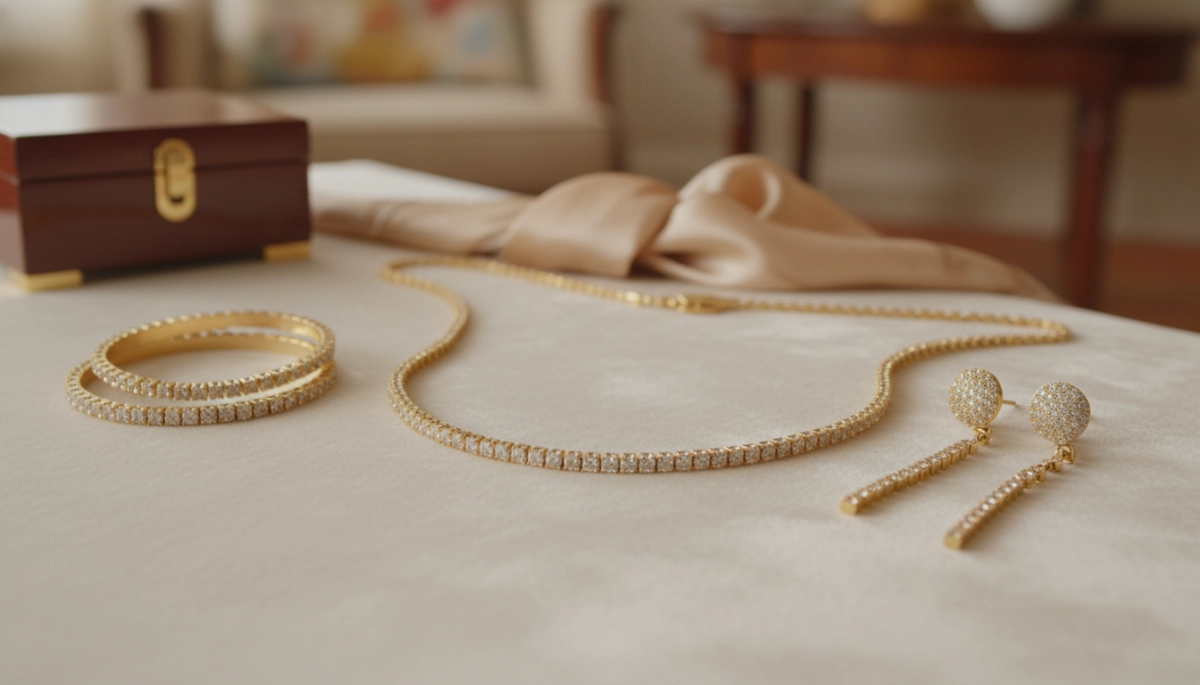
You already know a single well-chosen piece of jewelry can transform an outfit. A coordinated gold tennis set—necklace, bracelet, and earrings—multiplies that effect by creating a cohesive, polished look. You’ll appreciate how the delicate continuity of linked gold and matching stones elevates both casual ensembles and formalwear without overwhelming your personal style.
When you shop, think of a tennis set as an investment in versatility. You can wear a necklace alone for a minimalist statement, layer the bracelet with finer chains, or let the earrings frame your face on an elegant night out. This section explains what makes a tennis set distinct and why it’s a smart addition to your collection.
What defines a gold tennis set and why it matters to you
- Uniformity: Classic tennis sets feature uniformly linked gems or metal links that carry the same visual rhythm across the necklace, bracelet, and earrings.
- Balance: The matching pieces are designed to balance scale and sparkle so the set looks intentional rather than mismatched.
- Flexibility: You can wear the full set for formal events or pick single pieces for everyday wear, giving you more styling options per purchase.
Key Features to Compare Before Buying a Gold Tennis Set
To make a confident purchase, you’ll evaluate several technical and aesthetic factors. Understanding these will help you distinguish a high-quality set from one that looks good in photos but disappoints in person.
Metals, karat weight, and durability
Gold purity is expressed in karats. You’ll most often see 14K and 18K gold for fine jewelry. 14K is harder and more resistant to daily wear, while 18K has a warmer color and higher gold content. Consider your lifestyle: if you plan to wear the bracelet and necklace every day, 14K might be more practical; if you favor richer color and luxury, 18K is worth the premium.
Stone settings, clasp types, and sizing
- Settings: Prong and bezel settings affect how secure the stones are and how much light they return. Prongs maximize sparkle, bezels offer extra protection.
- Clasps: Look for sturdy clasps—box, lobster, or safety clasps—especially on bracelets where loss is most likely.
- Sizing: Verify necklace length and bracelet circumference so pieces sit where you want them on your neck and wrist; request adjustable options if available.
With these fundamentals in mind, you’ll be prepared to assess craftsmanship, compare price-per-carat, and prioritize the features that best match your needs. Next, you’ll learn how to evaluate gemstone quality and inspect manufacturer certifications when narrowing your choices.
Assessing Gemstone Quality: The 4 Cs and practical considerations
When evaluating a gold tennis set, gemstone quality determines both appearance and long‑term value. For diamonds, rely on the familiar 4 Cs—cut, color, clarity, and carat weight—but apply them with the set in mind. Cut controls sparkle and brilliance; small, well‑cut stones that reflect light evenly create the continuous “line” that defines a tennis set. Color and clarity should be consistent across all stones so the necklace, bracelet, and earrings look unified rather than patchy.
Beyond the 4 Cs, watch for treatments and stone type. Many gemstones are heat‑treated or clarity‑enhanced—common and acceptable when disclosed, but they affect durability and care. Decide if you prefer natural diamonds, lab‑grown diamonds, or alternatives (moissanite, sapphires, high‑quality cubic zirconia). Compare:
– Hardness: diamond (10), moissanite (~9.25), sapphire (9), CZ (~8–8.5) — harder stones resist scratches better for everyday wear.
– Sparkle: moissanite can appear “brighter” than diamond; some prefer that look, others find it too fiery.
– Price: lab‑grown stones and alternatives give more visual impact per dollar.
When sizing stones for a set, aim for matched measurements and uniform color grades rather than chasing the largest carat. Small variances in stone height or mounting style can break the visual flow, so inspect photos closely and ask for magnified images or videos to confirm consistency.
Certificates, hallmarks, and buying from reliable sellers
Documentation separates a confident purchase from a gamble. For diamonds, seek grading reports from reputable labs—GIA and AGS are gold standards; IGI is common for lab‑grown and fashion pieces. For colored stones, look for reports from GIA or AGL that confirm treatments and origin if that matters to you. Ensure any declared treatment is fully disclosed.
Inspect the gold for hallmarks: 585 (14K) or 750 (18K) are standard stamps, plus a maker’s mark. For white gold, ask whether the piece is rhodium‑plated (common) and whether replating is included in the warranty. Review seller policies: clear return window, repair services, resizing options, and stone replacement guarantees reduce long‑term risk.
Buy from vendors who offer independent appraisals or allow third‑party inspection. Keep receipts, certifications, and any appraisal documents for insurance. If you’re buying online, favor retailers with robust photo/video resources, live chat support, and transparent provenance information.
Care, maintenance, and protecting your investment
A tennis set’s beauty depends on routine care. Daily habits: remove the bracelet during exercise and household chores, avoid chlorine and harsh chemicals, and take off pieces before showering or sleeping to minimize stress on clasps and prongs. Clean at home with warm water, mild soap, and a soft brush; rinse and dry thoroughly. Use ultrasonic cleaners cautiously—safe for many diamonds but not for certain treated stones or fragile settings.
Schedule professional inspections every 6–12 months to check prongs, clasp integrity, and stone security; re‑tipping prongs and rhodium replating for white gold are common services. Store each piece separately in a soft pouch or lined compartment to prevent tangling and abrasion. For high‑value sets, update appraisals periodically and add jewelry insurance to cover loss, theft, or damage—especially if you plan to wear the full set frequently. These small steps preserve appearance and resale value so your tennis set remains a reliable, elegant staple for years.
Final Buying Checklist
- Confirm metal type and karat (14K vs 18K) based on color preference and wear habits.
- Verify stone matching and request close-up photos or video to check uniformity across pieces.
- Ask for independent certificates (GIA/AGS for diamonds) and inspect hallmarks on the gold.
- Test clasp and setting security; prioritize safety clasps for bracelets.
- Review return, repair, and warranty policies; factor in insurance for high‑value sets.
Ready to Choose Your Tennis Set
When you’re prepared to buy, trust your eye and prioritize comfort and provenance over momentary trends. Try pieces on when possible, ask questions, and don’t hesitate to request documentation or a professional appraisal. For authoritative information about diamond grading and what to expect from reports, see the GIA diamond grading resource.
Key Takeaways
- Match metal, stone quality, and setting style to your lifestyle for both durability and aesthetic harmony.
- Demand clear certifications, hallmarks, and transparent seller policies to protect your purchase.
- Routine care, professional inspections, and insurance preserve beauty and value over time.