There’s an expert roadmap to watching Roland-Garros like a pro: prioritize match schedules and time-zone conversions, secure access via official broadcasters or verified streams, prepare for slippery clay and marathon matches, use live stats and commentary to deepen insight, and plan travel or viewing slots to maximize on-site atmosphere and player access.
Understanding the Types of Matches
At Roland‑Garros you’ll see Singles, Doubles, and Mixed Doubles each demanding different attention: men’s Grand Slam Singles are played best‑of‑five sets while women’s are best‑of‑three, Doubles prioritize serve placement and net chemistry, and clay elongates rallies so endurance and topspin matter more than raw power. Recognizing these distinctions helps fans choose which stats and replays to track live – from break‑point conversion to net approaches and clay‑specific spin effects.
| Men’s Singles | Grand Slam format: best‑of‑five sets; long rallies on clay favor endurance and heavy topspin. |
| Women’s Singles | Grand Slam format: best‑of‑three sets; faster intensity per set with tactical net opportunities. |
| Doubles | Two‑player teams; emphasis on serve‑and‑net play, angled returns, and coordinated poaching. |
| Mixed Doubles | Gender‑mixed teams; often decided by match tiebreaks and strategic use of male/female service patterns. |
| Scoring Notes | Tiebreak rules and final‑set formats vary; track whether match uses standard tiebreaks or match tiebreaks. |
- Set count: men (best‑of‑five) vs women (best‑of‑three).
- Tactical focus: singles-court coverage; doubles-net dominance.
- Surface effect: clay increases rally length and rewards topspin.
- Match length: men’s matches can run 3-5+ hours; doubles usually much shorter.
- Tiebreaks: mixed doubles often use match tiebreaks to decide third sets.
Singles vs. Doubles
Singles demand court coverage, baseline consistency, and point construction-watch for extended rallies, baseline winners, and physical attrition; doubles pivot on quick reflexes, serve placement, and coordinated formations like the I‑formation or Australian formation, so track first‑serve percentages and net volley winners to understand momentum shifts in partnership play.
Men’s vs. Women’s Competitions
Men’s Grand Slam matches use best‑of‑five sets, producing longer strategic arcs where stamina and late‑match adaptations matter; women’s matches are best‑of‑three, intensifying each set and often rewarding aggressive return games and early break opportunities.
Further, match preparation differs: coaching strategies, substitution of tactics between sets, and recovery plans matter more in men’s five‑set affairs, while women’s matches often hinge on high‑intensity bursts, momentum swings, and precise serve placement-so follow patterns like break‑point frequency and return winners to predict outcomes.
Essential Tips for Viewing
Prioritize a stable live stream by confirming local broadcaster rights, testing your connection 24 hours before key rounds, and having a secondary feed via a trusted VPN if geo-blocks apply. Use wired Ethernet for your primary device and enable 1080p or 4K when available to reduce buffering; keep backup devices ready for court-switches. This gives you the best chance to catch late-set drama and decisive breaks without disruption.
- Check official Roland-Garros listings and your country’s broadcaster rights.
- Test streaming bitrate and latency at least one day before.
- Have a backup stream (mobile app or secondary browser) ready.
- Prefer wired connections and disable heavy downloads during matches.
- Use apps with multi-angle or condensed-replay features for faster catch-up.
Choosing the Right Broadcaster
Compare providers on rights, stream quality, and features: public networks and platforms like Eurosport and France Télévisions often carry full Roland-Garros coverage in Europe, while regional outlets or global platforms may offer alternative commentary and pay-per-view options; prioritize services with reliable apps, multi-camera feeds, DVR and condensed-match replays, and clear blackout or local-access rules to avoid surprises on match day.
Setting Reminders for Key Matches
Convert match start times to your local zone and schedule at least two alerts-one around 3 hours before and another 15-30 minutes prior-using broadcaster app notifications plus your phone or calendar so you catch warm-ups and court changes; allow push permissions and sync across devices to handle overruns and late-session shifts.
For extra reliability, create calendar events with the live-stream URL, set a secondary email or SMS alert, and subscribe to the tournament RSS or official app schedule that updates court assignments in real time. If a marquee match (e.g., a night session) shifts, check the tournament social feed for court and time updates; disable Do Not Disturb on at least one device and enable sound for alerts to avoid missing sudden schedule changes.
Step-by-Step Guide to Watching Live
| Step | Action |
|---|---|
| 1 | Check the official Roland‑Garros schedule and convert start times to your local zone. |
| 2 | Install and log into the broadcaster app (Eurosport/Peacock/TSN/etc.) and test playback. |
| 3 | Secure a reliable connection, cast to TV if desired, and set up live-score alerts. |
| 4 | Use match trackers and social feeds for stats, commentary, and highlight clips. |
Preparing for Match Day
Check the official schedule, then convert times to your time zone and add calendar alerts; matches at Roland‑Garros span a 15‑day window and often begin around 11:00 CET. Allow 3+ hours for men’s best‑of‑five and ~2 hours for women’s best‑of‑three, pack snacks, charge devices, and test your stream 15-30 minutes before the match to avoid last‑minute issues.
Accessing Streaming Platforms
Choose the right broadcaster for your region-Eurosport/Discovery+ across much of Europe, NBC Peacock and Tennis Channel in the U.S., TSN/RDS in Canada, beIN in MENA, Stan/SBS in Australia, and France.tv for French feeds-and sign up early. Expect geo‑blocking on some services; using unofficial streams carries malware and quality risks, while official apps deliver reliable HD feeds and on‑demand replays.
Use trial periods to test services, confirm device compatibility (smart TV, Chromecast, Apple TV, consoles), and verify simultaneous‑stream limits with your plan. Target at least 10 Mbps for HD and 25+ Mbps for 4K, prefer wired Ethernet or 5 GHz Wi‑Fi, close background apps, and log in before match time to avoid authentication delays.
Key Factors Influencing Your Experience
Variables like time zone, venue atmosphere, match schedule, broadcast options and weather shape every fan’s experience: from watching live to choosing between courts. Plan around match schedule peaks, pick reliable streaming sources, and factor in local conditions to avoid surprises. Assume that adjusting for local time, targeting covered courts when rain is forecast, and preferring evening show courts will improve viewing and minimize disruptions.
- Time zone synchronization
- Venue atmosphere and crowd proximity
- Match schedule peaks and night sessions
- Broadcast options and on-demand access
- Weather and court coverings
Time Zone Considerations
Paris runs on CEST (UTC+2) for Roland‑Garros; daily play typically starts 11:00 and runs through 19:00 with night sessions around 21:00. A 15:00 match in Paris hits 09:00 EDT, 06:00 PDT, and 18:30 IST, so pick feeds with DVR or condensed highlights to avoid missing clutch moments while asleep. Use calendar alerts and reliable live stream providers to align sessions with your peak viewing window.
Venue Atmosphere and Its Impact
Watching on Court Philippe-Chatrier (≈15,000 seats) differs from smaller courts: the retractable roof reduces wind and changes ball flight, while tight seating amplifies crowd noise, which can swing momentum and affect player focus. Proximity to the court changes perceived intensity-front rows feel every change in tempo; higher rows reveal tactical patterns.
Choose seats depending on priority: lower rows for immersive energy, higher tiers for tactical sightlines; prime-time night sessions usually deliver the loudest, most dramatic atmosphere. Bring ear protection if sensitive-sustained cheering near courts can approach or exceed 100 dB-while hospitality or reserved sections improve sightlines and comfort for longer sessions.
Pros and Cons of Various Viewing Options
| Pros and Cons Overview | |
|---|---|
| Live stadium (Philippe‑Chatrier) | Unmatched atmosphere, player proximity; but higher cost, long lines, weather exposure. |
| Show courts (Suzanne‑Lenglen) | Great sightlines and cover; limited seats and premium pricing. |
| Grounds passes / Practice courts | See rising stars, free practice sessions; can miss marquee matches, crowded. |
| Broadcast TV (Eurosport/major networks) | High production, expert commentary; subject to regional blackouts and ad breaks. |
| Official streaming apps (discovery+/tournament apps) | Multi‑court feeds, on‑demand replays; paywall, geo‑restrictions, variable latency. |
| VPN access | Unlocks alternate feeds; unreliable speed, potential ToS/legal issues. |
| Radio / Audio streams | Portable, low data; no visuals, limited context for tactics. |
| Highlights & condensed matches | Quick recap (10-15 min); loses momentum and subtle game shifts. |
| Social media clips / live updates | Instant, free updates; fragmented, risk of spoilers and low quality. |
Live Stadium Experience
Philippe‑Chatrier holds about 15,000 spectators, and courts like Suzanne‑Lenglen offer closer views; tickets often run from roughly €20 to €300+ depending on session. Expect long security lines, variable weather and walking between courts; plan to arrive early for practice sessions, pack light, and bring sunscreen and water. Watch for resale scams and pick official vendors to avoid invalid tickets.
Television and Online Streaming
Broadcasters and the tournament app provide multi‑court coverage, live stats and expert analysis; many feeds offer commentary in several languages and studio shows between matches. Choose official platforms (Eurosport/discovery+ in many territories) to access the most complete feeds, but note regional blackouts and scheduled ad breaks can interrupt continuity.
For quality viewing, aim for 8 Mbps for HD and ~25 Mbps for 4K; use wired Ethernet or 5 GHz Wi‑Fi to reduce buffering. Take advantage of multi‑court grids, DVR pause/rewind and match‑timers to follow concurrent matches; if traveling, confirm roaming/data caps and prefer the tournament app for integrated schedules and notifications.
Enhancing Your Fan Experience
Book central tickets months ahead, use the Roland-Garros app for live schedules and alerts, and target sessions at Philippe-Chatrier (~15,000 seats) or Suzanne-Lenglen (~10,000) for maximum atmosphere. Bring clay-friendly shoes and a hat; wet clay becomes slippery after rain, so allow extra time for entry. Night sessions under the Chatrier roof reduce weather delays, and lines for secondary courts often form 60-90 minutes before play-plan transit and food breaks accordingly.
Engaging with Fellow Fans
Join r/tennis threads, TennisForum discussions and follow #RolandGarros on X for minute-by-minute reactions; use the official Fan Village and onsite boards to meet supporters in person. Local meetups commonly spring up near Roland-Garros metro exits; in-stadium, the north stands attract the most vocal crowds. Coordinate with a small group-pin a 10-15 person WhatsApp or Telegram chat-to exchange live score alerts, seat swaps and quick tactical notes during sessions.
Following Match Commentary and Analysis
Track live stats from ATP/WTA and the Roland-Garros app-first-serve %, break-point conversion and rally-length shifts-to understand momentum. Use Hawk-Eye shot maps and Tennis Abstract head-to-head trends while broadcasters on Eurosport and Tennis Channel explain tactical adjustments like topspin depth and court positioning. Pay close attention to break-point swing and first-serve percentage, since those often determine outcomes on slow clay courts.
Go deeper with advanced metrics: winners-to-unforced-error ratio, return-games-won and live win-probability graphs reveal pressure handling. Analyze shot maps to spot crosscourt versus inside-out patterns and watch how rain or a damp court increases ball bite and rally length. These numbers explain clay specialists’ success-such as Nadal’s 14 Roland-Garros titles-by showing consistent pattern advantages beyond raw scores.
Summing up
Considering all points, adopt a pro approach by planning match schedules, learning clay-court tactics and player form, securing reliable live streams and commentary, and using stats to inform viewing. Engage with expert analysis, follow tournament logistics and etiquette, and prepare the right gear and time zones to maximize enjoyment and insight throughout the French Open.
FAQ
Q: How can international fans stream the French Open live with high quality and minimal delay?
A: Use the official Roland‑Garros streaming service or licensed broadcasters in your country (Eurosport, NBC/Peacock, Tennis Channel, etc.). For the best picture and lowest latency choose wired Ethernet or a 5 GHz Wi‑Fi connection, select the highest available bitrate in the player, and close other bandwidth‑heavy apps/devices. If you travel, check regional rights and the tournament’s broadcast partners rather than relying on unverified streams; if you consider a VPN to access a home‑country feed, confirm that doing so complies with the broadcaster’s terms and local law. For multi‑match coverage open a second device or use picture‑in‑picture so you can monitor two courts at once without interrupting the main feed.
Q: What tools and tactics give the most insightful, pro‑level match analysis while watching?
A: Combine live video with real‑time stats and shot maps from the Roland‑Garros site, ATP/WTA apps, or trusted services like FlashScore and SofaScore. Use Hawk‑Eye visualizations and match timelines to spot momentum shifts, and keep a player form sheet showing clay‑court results, surface preferences, and recent match length. Follow expert commentary or former‑player analysis for tactical context, and supplement with social feeds from trusted tennis journalists for injury updates and coach comments. Watching simultaneously: center court video + stats tab + one expert feed lets you cross‑check patterns (serve placement, return positioning, rally length) and understand why specific tactics succeed on clay.
Q: How should fans plan a full‑day French Open viewing session or watch party to stay comfortable and engaged?
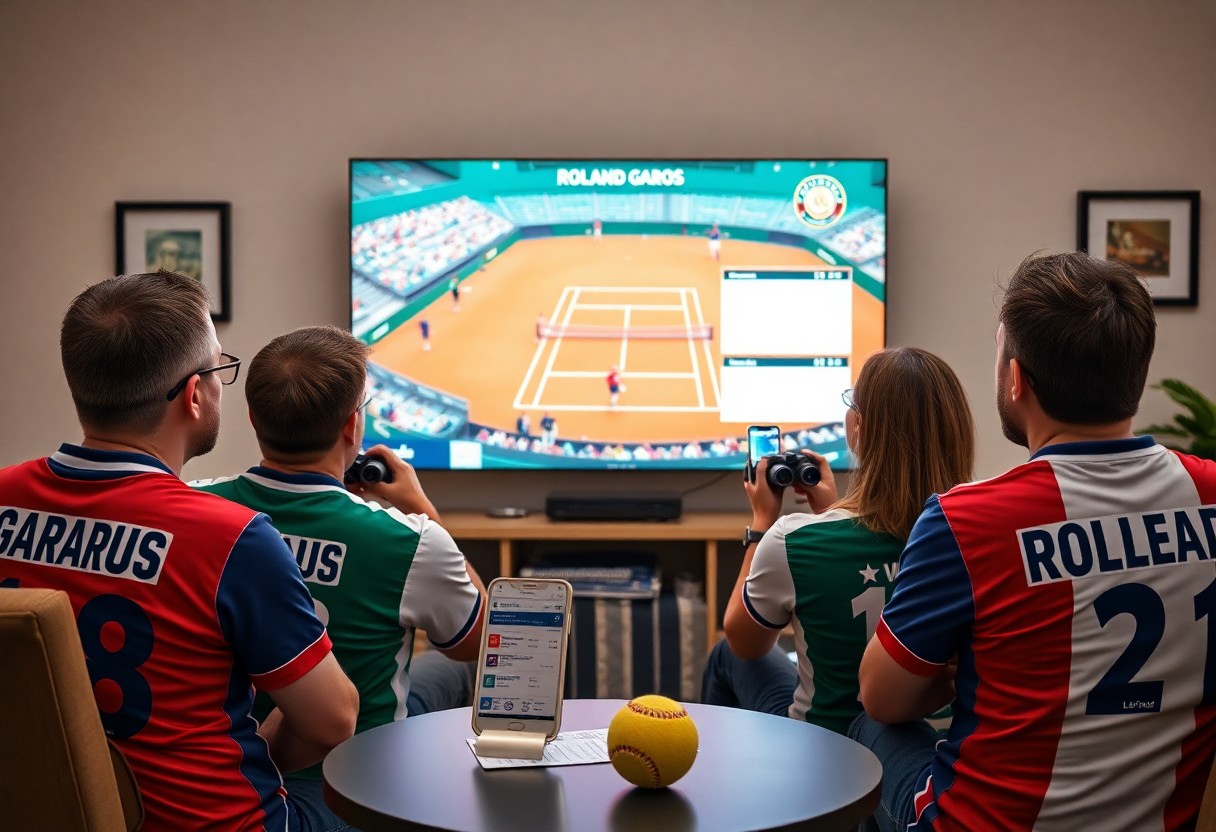
A: Plan around the published order of play and allow buffer time for overruns; expect clay matches to extend and create a flexible schedule prioritizing must‑see matches. Prepare easy, French‑themed snacks and hydration so you don’t miss key moments, arrange comfortable seating and adjustable lighting to reduce eye strain, and set up multiple screens or streaming devices to follow simultaneous matches. Use phone alerts for match start times and key moments, build short activity breaks to avoid fatigue during long rallies, and designate someone to manage switching feeds or muting commercials so the group can focus on the action without interruption.