RolandGarros is the clay-court Grand Slam in Paris; this guide explains history, ticketing, scheduling, and how clay alters tactics. Book tickets early, expect slippery conditions on wet clay, and enjoy the vibrant crowd and slow, tactical rallies. Practical tips on transport, seating, and match etiquette give beginners confident, actionable preparation for a safe, enjoyable tournament week.
Types of Matches
| Men’s Singles | 128-player main draw; played over best-of-five sets at Roland Garros, producing long rallies and intense physical demands. |
| Women’s Singles | 128-player main draw; best-of-three sets, faster tactical shifts but still shaped by slow-clay point construction at the French Open. |
| Doubles | 64-pair draw; two-player teams emphasize net play, coordinated positioning and quick reflexes, with match momentum swinging rapidly. |
| Mixed Doubles | Typically a 32-pair draw; mixed tactics and often shorter formats create high-variance, spectator-friendly matches. |
| Wheelchair & Juniors | Smaller draws (often 8-16); top-level wheelchair and junior competitions run alongside the main event, showcasing specialized skill sets. |
- Singles: men’s best-of-five vs women’s best-of-three; clay increases rally length and physical load.
- Doubles: 64 pairs, emphasis on communication, formations (I-formation/Australian) and split-second net play.
- Mixed: compact draws and tactical variety make matches unpredictable and entertaining.
- Draw sizes: 128 singles, 64 doubles, 32 mixed; the surface slows the ball, affecting strategies and increasing sliding-related injury risk.
Singles Matches
At Roland Garros, singles feature 128-player draws with men’s matches over best-of-five sets and women’s over best-of-three, so endurance and recovery matter: clay rallies average longer than on hard courts, matches frequently pass the three-hour mark, and specialists like Rafael Nadal have demonstrated how tactical patience and top-spin mastery convert into repeated success on this surface.
Doubles Matches
Doubles at the French Open use a 64-pair draw where teamwork outvalues solo heroics; quick exchanges at the net, effective serve placement, and synchronized poaching decide many ties, while clay slightly favors baseline resilience compared with faster courts.
Advanced doubles tactics include coordinated formations, planned serve-and-volley sequences, and targeted lobs to exploit clay’s slower bounce; teams that master communication, split-second positioning and anticipation sustain success across the fortnight. Thou watch how return strategies and net interceptions dictate momentum shifts in high-stakes doubles matches.
Key Factors Impacting Performance
Surface interaction, daily weather swings and turnaround time between matches all shape point construction and match tempo at Roland Garros; physiology and tactics amplify small environmental shifts. After rain or heavy watering the clay compacts and sliding becomes unpredictable, increasing injury risk and altering tactical choices.
- Clay Surface
- Weather & Humidity
- Physical Fitness
- Match Strategy
- Equipment & Footwear
Surface and Weather Conditions
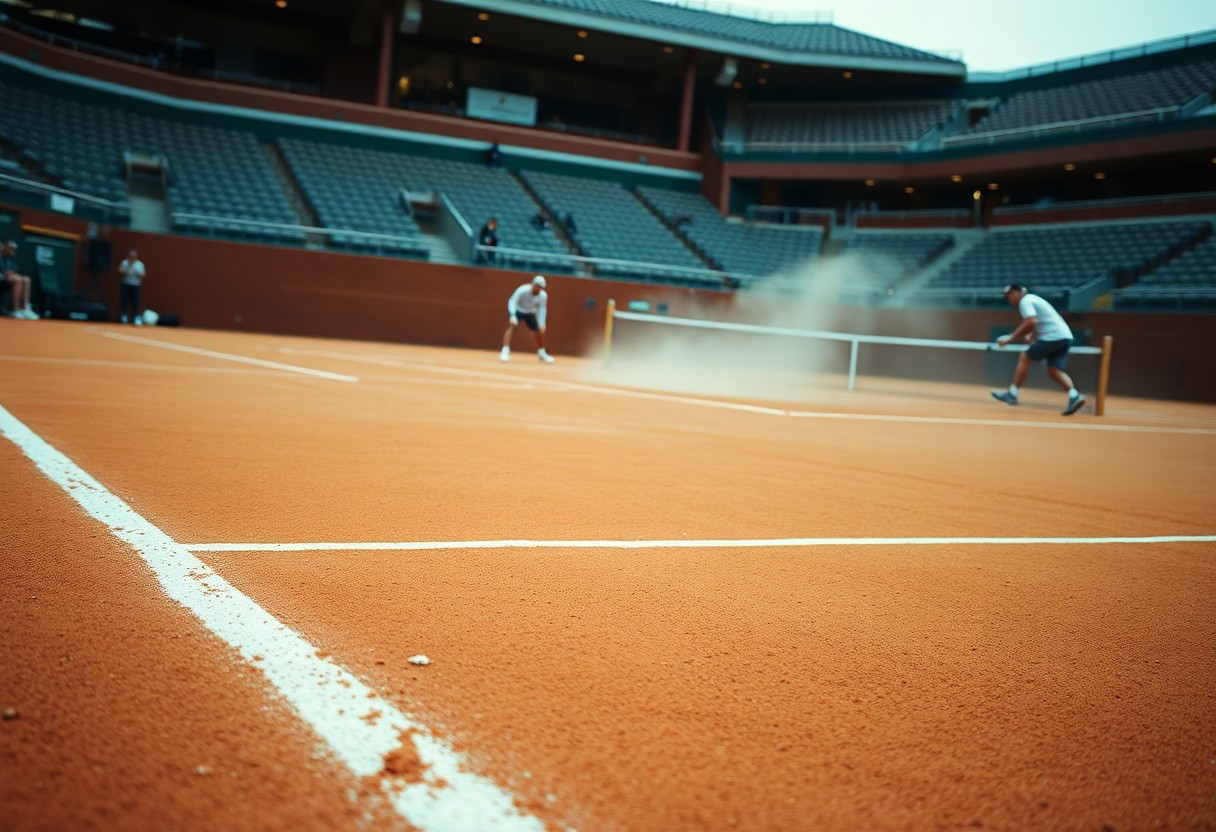
Parisian clay produces a higher bounce and slower ball speed than hard courts, extending rallies and favoring topspin-heavy strokes; typical May-June temperatures range from 12-25°C and sudden showers can pause play for 30-90 minutes. Tournament groundstaff change rolling and watering schedules daily, so players adjust string tension, shoe choice and point aggression to the court’s grip and moisture.
Player Fitness and Strategy
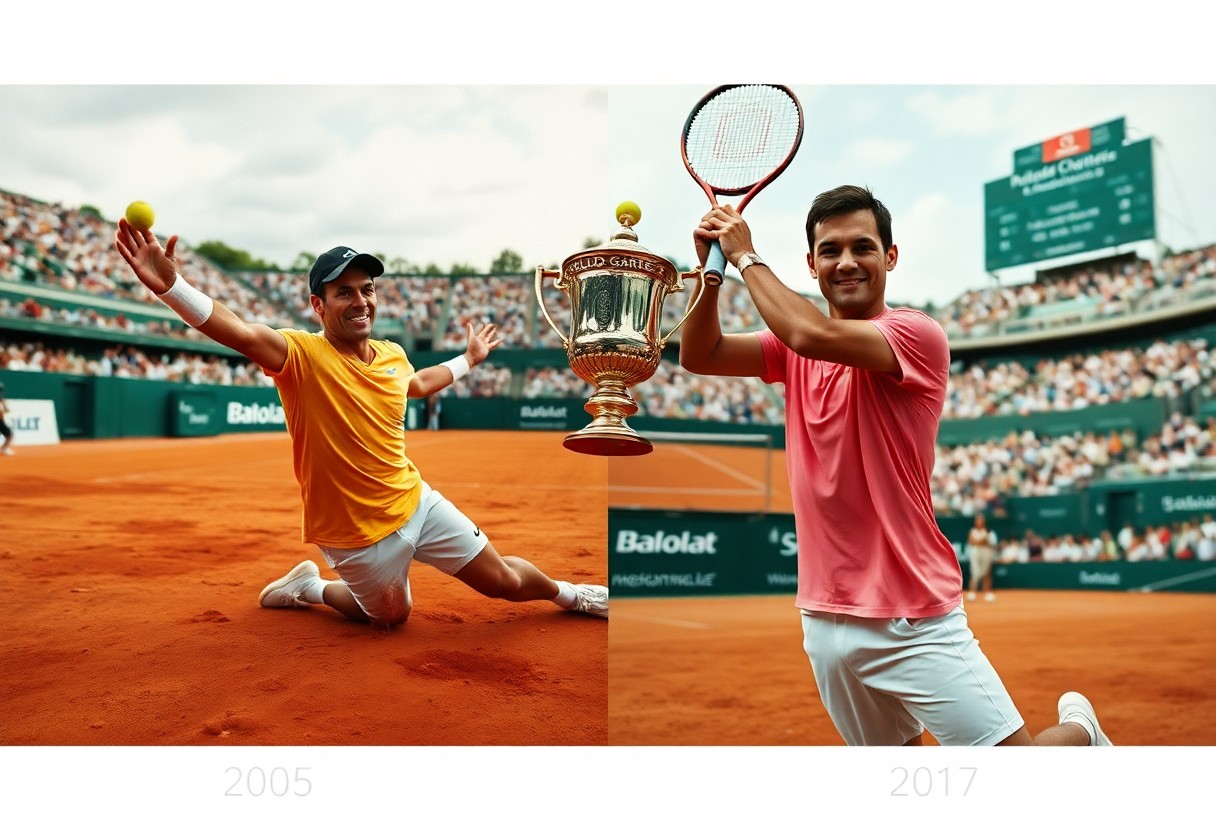
Endurance, recovery and sliding mechanics often decide tight matches: best-of-five clay battles commonly last 2.5-3+ hours, so aerobic capacity, lateral strength and efficient court coverage are necessary. Champions like Rafael Nadal leveraged relentless defense and heavy topspin-evidenced by his 14 Roland Garros titles-to control rallies and force errors.
Training for clay emphasizes interval runs (e.g., 4×4 minute VO2 max blocks), plyometrics for explosive lateral pushes, and repeated slide drills to ingrain safe breaking motions; strength work targets hips, adductors and the core to resist torque during long points. Nutrition and rapid recovery-ice baths, compression, targeted physiotherapy-reduce cumulative fatigue across seven matches, while tactical drills practice kick serves, angled topspin and well-timed drop shots to convert extended rallies into short-point opportunities.
Step-by-Step Guide to Attending the Tournament
| Step-by-Step Guide to Attending the Tournament | |
|---|---|
| 1. Buy Tickets | Use the official Roland Garros site or authorized resellers; prioritize session choice over a single match for flexibility. |
| 2. Choose Session | Day sessions are cheaper and less crowded; evening sessions often feature higher-profile matches and sell out faster. |
| 3. Plan Transport | Allow 30-45 minutes for Metro or bus connections and factor extra time after late matches. |
| 4. Arrive Early | Arrive 45-60 minutes before the match to clear security, find seats, and visit facilities. |
Ticket Purchasing Process
Purchase via the official website or verified partners, compare prices by session and seat category, and prefer e-tickets that link to your account to avoid paper collection queues; finals and weekend sessions often require booking 2-3 months ahead. Assume that you always confirm buyer details, seat numbers and digital delivery before leaving checkout.
- Official website
- Pre-sale
- Resale platforms
- Session type
- Seat category
Venue Navigation Tips
Familiarize yourself with the site map: Philippe-Chatrier (~15,000 seats) is the centerpiece, with roughly 20 courts across the complex; expect 15-30 minute walks between distant courts and use the Roland Garros app for live court assignments and queue alerts. Assume that you keep mobile tickets and ID ready to speed entry.
Prioritize entrances near your seat block-Gates A-D serve the main stadium while outer courts have separate gates-and note restroom and food locations to minimize time away during match play; peak exit times can add 20-40 minutes to travel, so plan onward connections accordingly. Assume that you set a clear meeting point and cache offline maps if cellular service is spotty.
- Philippe-Chatrier
- Outer courts
- Venue app
- Transport links
- Food & restrooms
Pros and Cons of Attending Roland Garros
| Pros | Cons |
|---|---|
| Atmosphere: Electric crowd energy and iconic clay drama. | Crowds: Long lines, packed concourses and limited personal space. |
| Surface: Clay creates longer rallies and tactical tennis few venues offer. | Match length: Longer, more physical matches that can wear you down. |
| Player access: Practice courts and outer courts showcase rising stars up close. | Cost: Prime seats expensive; resales often inflate prices. |
| Historic venue: Court Philippe-Chatrier (~15,000) and Suzanne-Lenglen (~10,000). | Seating: Many matches on smaller courts with limited visibility. |
| Infrastructure: Chatrier’s retractable roof reduces rain interruptions. | Weather: Outer courts still face rain delays and variable spring temperatures. |
| Local flavor: Parisian food stalls, tournament village and cultural side trips. | Queues: Food and toilets often have long waits during peak sessions. |
| Photography: Great photo ops in warm-up courts and fan zones. | Restrictions: Bag policies, camera rules and security checks slow entry. |
| Memorable experiences: Clay-slide celebrations and on-court drama create lasting memories. | Physical demands: Standing and walking between courts can be tiring over multi-day visits. |
Advantages of Live Experience
Watching matches live delivers unmatched immediacy: Court Philippe-Chatrier’s atmosphere (≈15,000 seats) and Suzanne-Lenglen’s intimate sightlines let you see subtleties of clay-court slide and tactics. Fans can catch practice sessions, spot future stars on outside courts, and enjoy tournament villages with Parisian food stalls. Total attendance typically ranges around 450,000-500,000, so the energy and communal buzz-especially during night sessions-are tangible and often cited as the tournament’s best draw.
Disadvantages and Challenges
High demand creates steep prices for center-court tickets and frequent resales above face value, while long queues for entry, food, and restrooms eat into match time. Weather remains a factor despite Chatrier’s roof-outer courts face delays-and clay matches often run longer, increasing fatigue. Security checks and strict bag rules can be time-consuming, and peak days see dense crowds that reduce mobility.
Delving deeper, be aware of physical and logistical strains: best-of-five men’s matches often exceed three hours and marathon matches over four hours occur, intensifying standing and walking fatigue. Heat exposure and prolonged sun on unshaded courts raise heat-related risks, while clay sliding increases minor injury chances. Additionally, accommodation and transport costs in Paris surge during the fortnight, and ticket resale scams can leave visitors out of pocket-plan bookings early and use official channels.
Essential Tips for Beginners
Plan to arrive early-about 60-90 minutes before play-to clear security, find seats and catch warm-ups; gates can have 20-40 minute queues on busy days. Use the official app for real-time court changes and player notifications, carry ID and a small cash amount for vendors, and pick a visible meeting spot in case of phone issues. After the match, set a specific meeting point outside Philippe‑Chatrier to regroup without getting lost in the crowd.
- Tickets: Mobile or print and screenshot backup
- Arrival: 60-90 minutes early on prime days
- App: Live schedules, maps and queue alerts
- Security: Bag checks; carry minimal items
- Hydration: Refillable bottle and SPF 30+
- Transport: Metro routes and off-peak returns
What to Wear and Bring
Expect Paris in late May-early June with daytime highs around 18-22°C and cool mornings; layer lightweight clothing and a compact waterproof jacket for sudden showers. Wear comfortable shoes-sneakers with good tread handle gravel paths and stadium steps better than sandals. Bring a small bag (preferred 40×30×20 cm), sunscreen, a hat, portable charger and a refillable water bottle to stay comfortable during multi-hour sessions.
Fan Etiquette and Customs
Stay silent during rallies and applaud between points-players expect quiet through long exchanges and noisy behavior can lead to warnings. Turn phones to silent, avoid flash photography during play, and follow stewards’ seating instructions; Court Philippe‑Chatrier (~15,000 seats) often enforces stricter rules during televised matches. Respect player routines and other spectators to keep the atmosphere positive and focused.
Expect intense ovations for marathon matches-men’s matches can run 4-5 hours-so standing and cheering is common after epic points. If you plan to leave between sessions, check re-entry rules with stewards and note that aisles are monitored; persistent disruption may result in removal. Observing local customs like brief applause for changeovers and refraining from conversations during points improves everyone’s experience.
Frequently Asked Questions
Tournament History and Importance
Established in 1891 and opened to international competitors in 1925, Roland Garros moved to the current Stade Roland Garros in 1928 and is named after the French aviator. It is one of the four Grand Slams and the only major played on clay, held each year in late May-early June. Spectator totals hover around ~450,000-480,000 across the fortnight, and Rafael Nadal’s 14 titles underline the surface’s impact on long-term dominance.
Common Player Questions
Players often ask how clay changes tactics and gear: clay produces a higher, slower bounce, so heavy topspin and patience win points; men play best-of-five sets while women play best-of-three, increasing physical demands. Movement requires sliding technique and clay-specific shoes, and the surface can be slippery when wet and taxing on knees and ankles, so recovery and footwork drills are necessary.
For preparation, coaches recommend sliding drills, interval fitness for longer rallies, and lowering racket string tension by 2-4 lbs for more control; use clay outsole shoes and bring extra grips. Tournament logistics matter: balls are changed after the first seven games then roughly every nine, and rain delays can compress schedules-plan recovery (ice, compression, active rest) between matches to avoid overuse injuries.
Final Words
With these considerations, “A Beginner’s Guide To Roland Garros – Everything You Need To Know About The French Open” equips newcomers with important context on clay-court tactics, ticketing, scheduling, and match-day etiquette, enabling confident planning and deeper appreciation of the tournament’s history and competitive nuances.
FAQ
Q: What is the tournament format, schedule and who plays at Roland Garros?
A: Roland Garros is one of four Grand Slam events and is played on outdoor red clay over two weeks in late May and early June. Singles draws feature 128 players in men’s and women’s events, with qualifying rounds the week before to fill main-draw spots. There are also doubles, mixed doubles, junior and wheelchair competitions. Matches are best-of-five sets for men at Grand Slams and best-of-three for women; tiebreak rules follow current Grand Slam regulations. The event uses multiple courts, with Philippe-Chatrier as the center court (with a retractable roof), Court Suzanne-Lenglen and Court Simonne-Mathieu hosting major sessions. Daily order of play is published each evening for the next day; larger matches are scheduled mid-day and evening, and weather can push schedule changes, so consult the official app or website for live updates and match times.
Q: How do I buy tickets, get to the venue and what should I bring or avoid?
A: Tickets can be purchased from the official Roland Garros website, authorized resellers, or the French Tennis Federation box office. Options include single-session tickets, ground passes (access to outside courts and general areas), and reserved seating for show courts. Use public transit (metro Porte d’Auteuil or Porte de Saint-Cloud) and allow extra time for security lines. Bring a printed or digital ticket, ID, small clear bag if required, sunscreen, a hat, refillable water bottle (check current security rules), and comfortable shoes suitable for walking on clay paths. Avoid large backpacks, glass containers, professional camera equipment without press credentials, and noisy devices. Be prepared for sun and sudden showers-Center Court has a roof but outer courts do not-and note that clay can stain clothing and shoes; sliding is common, so choose footwear with good grip. Follow on-site signage for entry gates and bag-check policies.
Q: How does clay-court play at Roland Garros affect match style and player performance?
A: Clay slows the ball and produces a higher, more variable bounce compared with hard or grass courts, which lengthens rallies and rewards consistency, patience and heavy topspin. Big servers and fast-court specialists can be neutralized because service winners are harder to produce; returners and baseline grinders often have an advantage. Sliding is integral to movement on clay, so players who slide well conserve energy and retrieve more balls. Matches can be physically demanding and tactical: points involve constructing patterns, using angles, and exploiting opponent movement. Weather affects clay dramatically-dry conditions speed the court, while damp clay slows play and reduces bounce-so balls, court maintenance and playing style shift day-to-day. Expect longer matches, momentum swings and greater emphasis on endurance, footwork and strategic variety from competitors who specialize on clay.