
How the Djokovic–Nadal rivalry redefined elite-level tennis
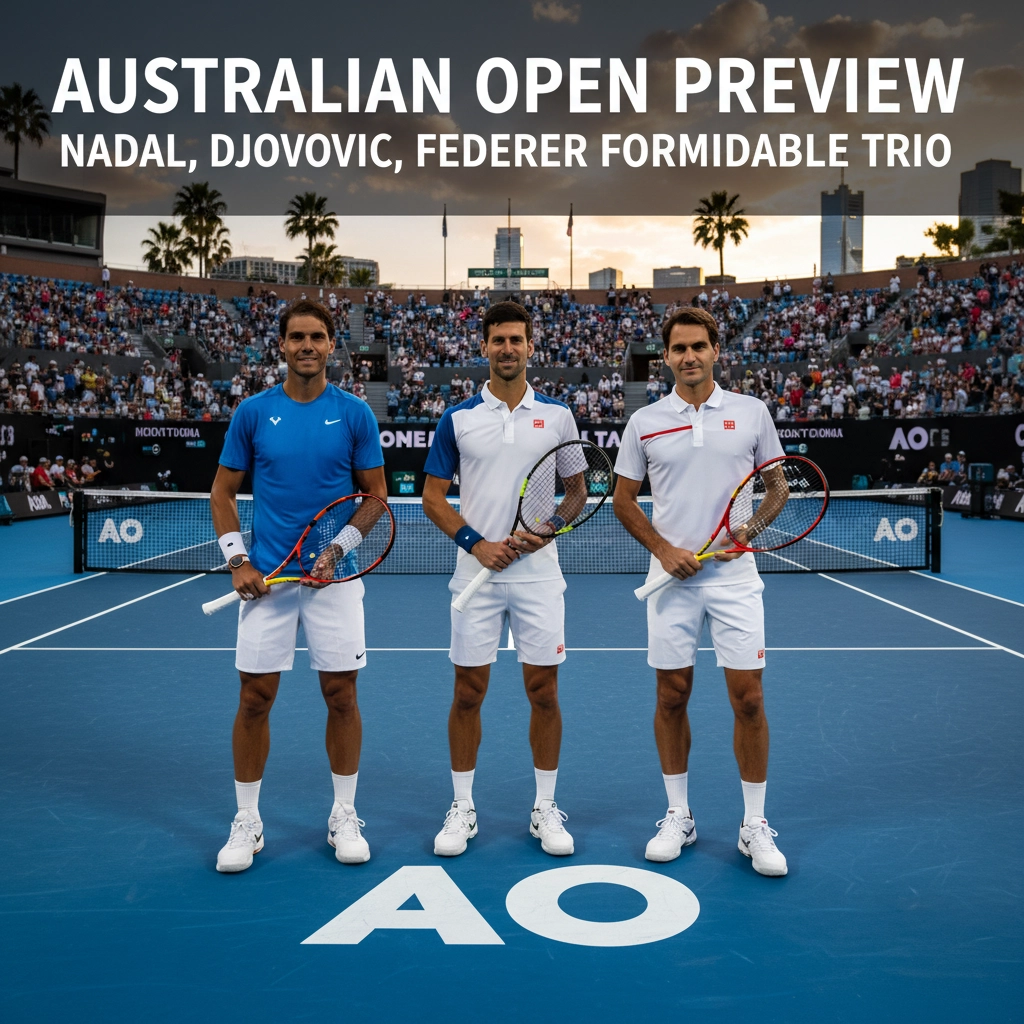
You follow tennis for the drama as much as the skill, and few storylines have delivered more dramatic arcs than Novak Djokovic versus Rafael Nadal. From the mid-2000s onward, their meetings became a measuring stick for excellence: long rallies, contrasting styles, and matches that bent the expected advantage of surface and form. You’ll find that this rivalry is both statistical and stylistic — a near-even head-to-head record that also maps a clash of tennis philosophies.
When you look at their numbers and milestones, the scope becomes clear: they’ve met more than fifty times across Grand Slams, ATP Masters, and tour events, trading victories that often decided titles and seasons. More importantly, you’ll notice how their repeated encounters forced each player to evolve. Nadal’s clay-court supremacy pushed Djokovic to refine his movement and patience on slow surfaces, while Djokovic’s unmatched defensive retrieval and return game compelled Nadal to adapt his tactics on hard courts and faster events.
How their early meetings revealed contrasting strengths
You can trace the rivalry’s character to the early matches when both were ascending to the top of the game. Those initial clashes highlighted key differences that would define later classics: Nadal’s heavy topspin forehand, left-handed angles and relentless court coverage versus Djokovic’s elastic defense, penetrating backhand and superior return of serve. In those years, each match felt like an experiment — could Nadal’s heavy spin and aggressive court positioning overwhelm Djokovic’s balance and flattening shots, or would Djokovic’s precision and flexibility neutralize Nadal’s power?
These early contests also illustrated how surface influenced outcomes. Clay courts amplified Nadal’s kick and angles, favoring extended baseline battles where his endurance and shot selection wore opponents down. On faster hard courts, Djokovic’s ability to take the ball early and redirect pace created openings that often swung matches in his favor. You’ll see that neither advantage was absolute; instead, each encounter taught both players where to improve.
Tactical patterns to watch when you rewatch their classics
- Return vs. Serve: You’ll notice Djokovic’s returns frequently put Nadal on the defensive, especially on second serves.
- Forehand vs. Backhand Crosscourt: Nadal’s heavy crosscourt forehand looks to create short angles, while Djokovic often counters with his backhand down the line.
- Physical attrition: Many early matches were tests of stamina; you’ll see long points designed to force errors rather than outright winners.
- Surface-specific adjustments: On clay, watch Nadal take the ball late and use topspin; on hard courts, watch Djokovic take the ball earlier and flatten trajectories.
- Mental momentum swings: Breaks of serve often triggered momentum shifts — you’ll observe how each player handled pressure points differently.
With this foundation in place — the historical importance, style contrasts, and tactical patterns — you’re prepared to examine the specific landmark matches that crystallized the rivalry. Next, you’ll dive into the landmark Grand Slam and Masters matches that turned individual clashes into enduring tennis classics.
Grand Slam epics that became rivalry touchstones
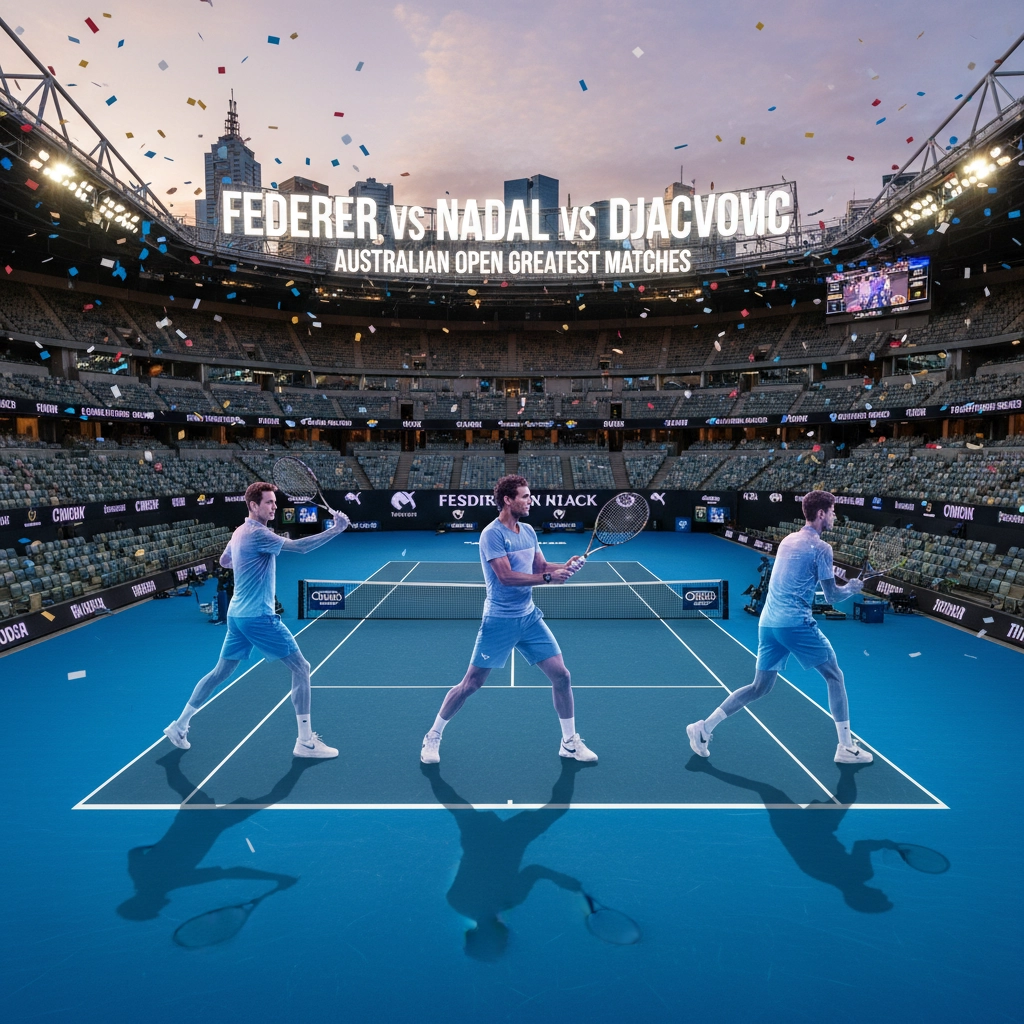
When you revisit their Grand Slam encounters, you see the rivalry distilled to its purest intensity: the biggest stakes, the tightest margins, and the moments that stuck in public memory. Think of the 2012 Australian Open final — an almost five-hour saga where both players reached peak physical and mental extremes. That match crystallized the drama they could produce on the grandest stage: momentum swings, late-match shot-making, and minutes that felt like the very definition of clutch tennis. It wasn’t just about who won; it was about how each handled extended pressure over multiple sets.
On grass and clay, the match narratives shifted but remained equally compelling. Wimbledon gave you faster exchanges and tactical tweaks — Djokovic’s ability to take the ball early and redirect pace neutralized Nadal’s angles more often there, while Nadal’s intensity and angle creation still produced crucial breaks. At Roland Garros, you watched Nadal impose the clay court script: heavier topspin, quicker recovery to the ball’s bounce, and grinding point construction that exploited Djokovic’s shorter windows for offense. Those clay meetings weren’t one-sided exhibitions, though — Djokovic pushed Nadal to stretch points laterally, to generate winners under fatigue, and to adjust placement rather than only rely on power.
You’ll also notice how these Slam matches influenced subsequent tournament behavior. A tight five-setter or a draining clay classic often preceded a period of altered form for both men — Djokovic would sometimes ride the confidence into a hard-court swing, while Nadal occasionally retreated to clay to rebuild. In short, their Grand Slam duels didn’t exist in isolation; they were season-defining punctuations that shaped training, scheduling and tactical evolution for both players.
Masters and season-long clashes that shaped momentum
Outside the Slams, their battles at Masters-level events created a different sort of drama: recurring checkpoints across the season where form, fitness and adaptability were tested. On the clay Masters swing — Monte Carlo, Madrid and Rome — Nadal frequently asserted territorial dominance, turning long rallies into attrition-based strategies that often forced Djokovic into reactive positions. Those matches highlighted Nadal’s ability to manufacture time and space on slow surfaces, and they pressured Djokovic to refine footwork and patience under heavy spin.
Conversely, hard-court Masters like Indian Wells and Miami showcased Djokovic’s capacity to take the ball early, dictate with his backhand and capitalize on opponent’s second serves. These events became battlegrounds for momentum: a big finish at a spring Masters could catapult one player into the clay season with psychological advantage, or conversely, expose vulnerabilities to be exploited later.
You’ll also want to track how injury, scheduling choices and physical peaks shaped their rivalry here. Long rallies at a Masters final could sap energy for the rest of the season, while a decisive win could signal a shift in year-long dynamics. The Masters series, then, operated as a narrative spine — a sequence of high-stakes rematches where both men tested tactical innovations, recovered from losses and adapted strategies long before the Slams returned to settle the score.
Enduring legacy and what remains
The Djokovic–Nadal rivalry did more than produce unforgettable matches; it shaped how players, coaches and fans think about adaptability, endurance and peak performance. Beyond winners and scorelines, their meetings were laboratories for tactical evolution, mental resilience and the interplay between surface and style. Those elements continue to inform coaching strategies and the next generation of competitors who study these clashes for lessons in point construction, match management and recovery.
Even as careers progress and chapters close, the rivalry’s influence persists: in the records it pushed, the standards it set, and the moments that entered sporting folklore. What endures is not a single result but a model of elite competition — sustained excellence, mutual elevation, and a public narrative that kept tennis at the center of global sporting conversation.
Frequently Asked Questions
Why is the Djokovic–Nadal rivalry regarded among the greatest in tennis?
Because it combined longevity, frequent high-stakes meetings and stylistic contrast across all surfaces. Their clashes—especially in Grand Slams and Masters events—featured dramatic momentum swings, physical and tactical battles, and repeated reinvention by both players, which together elevated the rivalry’s significance beyond individual matches.
How did different court surfaces affect their head-to-head matches?
Surface played a major role: clay amplified Nadal’s heavy topspin and court coverage, often favoring his attritional game, while faster grass and hard courts tended to reward Djokovic’s ability to take the ball early, redirect pace and exploit angles. Each surface forced adaptations in footwork, shot selection and tactical patience from both players.
What impact did their Grand Slam and Masters encounters have on the wider tennis season?
Their Grand Slam and Masters battles acted as momentum shapers: long, draining matches could alter form, scheduling and preparation for the rest of the season, while decisive wins often provided psychological advantage going into subsequent events. Those meetings also influenced training decisions and strategic adjustments across the tour.