How Djokovic and Nadal Rewrote Expectations at the Australian Open
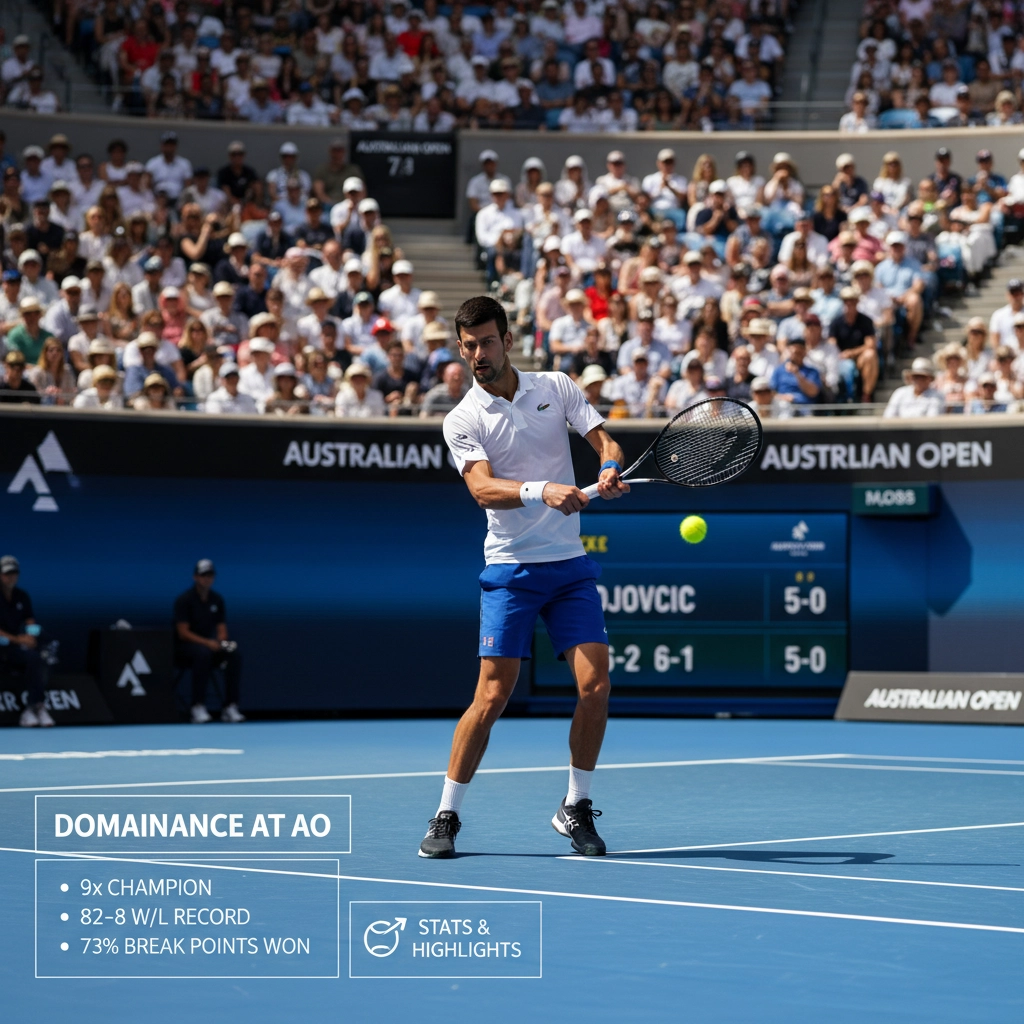
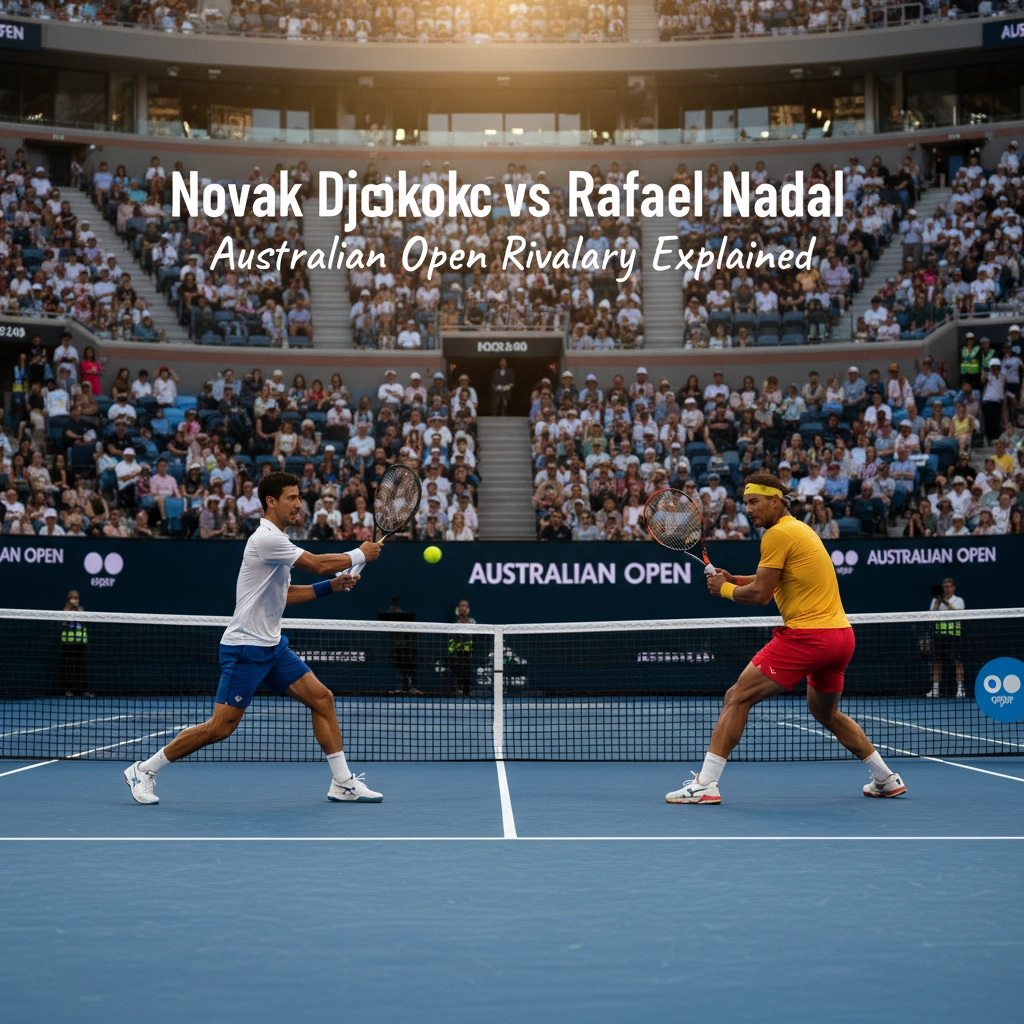
You may already know Novak Djokovic and Rafael Nadal as two of the greatest players in tennis history, but at the Australian Open their rivalry takes on distinct contours that reveal more than a simple win–loss ledger. When you look at their matches in Melbourne, you see a clash between Djokovic’s exceptional movement, defensive consistency, and hard-court mastery, and Nadal’s relentless topspin, court coverage, and competitive intensity. Together those contrasts turned several Australian Open meetings into turning points for both careers.
As you follow this rivalry, it helps to separate three overlapping stories: the tactical matchup on a hard-court stage, the momentum swings in their careers that influenced Australian Open outcomes, and the psychological battles that played out in five-set epics. Even early in their rivalry, these themes were present and would reappear throughout later finals and semifinals.
Early Encounters at Melbourne Park and What They Revealed
In their first Australian Open meetings you could already detect how surface and stamina mattered. The hard Plexicushion (and later GreenSet) conditions in Melbourne rewarded precision, quick recovery, and the ability to reset points under pressure. You’ll notice these recurring patterns if you watch their early matches:
- Baseline endurance: Djokovic’s ability to redirect pace and retrieve seemingly unreachable balls pressured Nadal into playing extra shots and taking more risks.
- Heavy topspin vs flat depth: Nadal’s high-bouncing forehand sought to push Djokovic back, while Djokovic countered with low, penetrating backhands aimed to neutralize Nadal’s spin.
- Return of serve as a decisive weapon: On Melbourne’s hard courts, returning aggressively often swung momentum; Djokovic’s return game frequently opened opportunities in big matches.
Those early Melbourne matches also revealed tactical adjustments. Nadal, though primarily a clay-court maestro, began adapting his serve placement and court positioning to reduce Djokovic’s offensive openings. You, as an observer, can trace how each player incrementally retooled their game for hard courts—altering grip, changing patrolling patterns, and refining point construction—so that later clashes felt like chess matches as much as athletic contests.
Beyond tactics, the Australian Open stage amplified physical and mental endurance. Long rallies, high-pressure tie-breaks, and the extreme heat conditions in some summers exposed who could maintain clarity under fatigue. In the early phase of their rivalry, these factors often tipped the scales and foreshadowed who would take the psychological lead in subsequent grand-slam battles.
Now that you understand the foundational dynamics—style contrasts, early tactical shifts, and the endurance element—you’re ready to dig into their most consequential Australian Open matches and the pivotal moments that defined those encounters.
Melbourne Matchups That Defined Their Rivalry
At Melbourne Park the rivalry often crystallized into a handful of matches where everything—skill, stamina, and nerve—came to a head. These contests tended to share a familiar script: long, grinding exchanges that tested both players’ patience; spurts of sudden aggression that reshaped momentum; and decisive tiebreaks or late breaks that settled the outcome. What makes those Melbourne matchups stand out is how micro-moments became macro-decisions. A single well-timed return, an unexpected serve placement, or a short forehand that invited a volley could flip a set and, later, an entire tournament narrative.
Beyond individual points, the atmosphere in those clashes magnified margin errors. Crowd energy, the calendar position early in the season, and the physical aftershocks of prior rounds all amplified pressure. When one player seized an early rhythm—Djokovic with relentless depth and return pressure, Nadal with penetrating forehand angles and never-say-die defense—the other had to adapt quickly or risk being overwhelmed. These Melbourne matches didn’t just produce winners; they taught both men lessons about handling peak stress under hard-court conditions, lessons that shaped their approaches in subsequent grand slams.
Momentum Shifts and the Mental Chess of Five-Setters
Five-set matches at the Australian Open function as long-form psychological tests, and Djokovic and Nadal used them to probe each other’s limits. Momentum in these duels rarely moves linearly. A player can dominate two sets and then see the tide turn after a single break or a mini-run of errors. The psychological nuance is subtle: Djokovic’s ability to reset between points and compress negative cycles often let him stall Nadal’s momentum, while Nadal’s capacity to lift intensity and manufacture angles under duress could rattle Djokovic’s timing.
The mental chess also extends to tactical signaling. Shifting serve patterns, feinting a change in rhythm, or choosing to attack a second serve are choices loaded with intent; each one sends a message about confidence and expectations. Winning a tight middle set or prevailing in a crucial tiebreak creates a compound effect—confidence grows, risk tolerance widens, and the opponent is nudged toward conservative play. Over time, those psychological edges accrued: a hard-fought Melbourne victory could reinforce belief for a season, while a narrow defeat could prompt tactical reinvention.
How Small Tactical Evolutions Produced Big Melbourne Outcomes
Their Australian Open rivalry is also a study in incremental adaptation. Neither player overhauled his identity for Melbourne; instead, they made focused changes that paid dividends under hard-court conditions. Nadal trimmed swing paths and experimented with flatter serves to reduce Djokovic’s return leverage. Djokovic, meanwhile, sharpened his backhand depth and fine-tuned court positioning to cut off Nadal’s high-bouncing forehands, sometimes shortening points with well-timed attacks.
Those small evolutions matter because Melbourne’s conditions reward precision and recovery. A millimeter of racket-head angle here, a marginally earlier take on the return there, can turn a repetitive rally into a short offensive window. Over multiple encounters, these tweaks compounded—what started as a minor adjustment in a training block became a decisive feature in match play. Watching their later Melbourne meetings, you see those refinements in action: clearer point construction, smarter energy management, and an ever-rising premium on seizing brief opportunities when they appear.
What Their Rivalry Leaves Behind
The Djokovic–Nadal clashes at the Australian Open have done more than decide trophies; they shifted expectations about what elite hard-court tennis can look and feel like. Beyond winners and losers, those matches refined how players prepare physically, think tactically, and manage the psychological ebbs and flows of long, high-stakes encounters. The real legacy is subtle: a raised bar for precision, adaptability, and mental resilience that reverberates through training courts and locker rooms worldwide.
Even as careers evolve and future champions emerge, the Melbourne chapter of their rivalry will remain a touchstone for teaching moments—how incremental tactical choices can tilt outcomes, how single points can recalibrate momentum, and how elite athletes translate adjustments into sustained advantage. In that sense, their Australian Open duels are less a closed book than a living lesson for the sport.
Frequently Asked Questions
What made their matches at the Australian Open stand out compared to other Grand Slams?
Matches in Melbourne emphasized quick adaptation to hard-court conditions—depth, timing, and recovery were premium. The combination of long baseline exchanges, sudden attacking bursts, and the early-season timing created high-pressure scenarios where small tactical changes and mental resets often decided outcomes.
How did five-set matches shape the psychological battle between Djokovic and Nadal?
Five-setters magnified momentum swings and required sustained mental control. Djokovic’s capacity to reset between points and dampen negative runs contrasted with Nadal’s ability to raise intensity and exploit short windows; both traits meant psychological shifts—winning a tight middle set or a tiebreak—could cascade into decisive advantages.
Did either player adapt tactics specifically for success in Melbourne?
Yes. Their adaptations were typically incremental: Nadal experimented with flatter serves and slightly trimmed swings to reduce opponent return leverage, while Djokovic worked on backhand depth and positioning to counteract high-bouncing forehands. Over time these small changes improved point construction and energy management on Melbourne’s hard courts.